
Испанийн харьяа Сеута хотод олон мянган цагаач хууль бусаар нэвтэрсэнтэй холбогдуулан бүс нутгийн эрх баригчид үндэсний хэмжээний онц байдал зарлаж, хилийн хамгаалалтад армийн хүчийг татан оролцуулахыг төв засгийн газартаа уриаллаа.
Хойд Африкийн эрэгт байрлах Испанийн Сеута хот руу сүүлийн өдрүүдэд Марокко улсын хилээр дамжин олон мянган залуус далайн усаар сэлэн болон хилийн хашааг даван нэвтэрчээ. Бүс нутгийн захирагч Хуан Хесус Вивасын мэдэгдсэнээр, цагаач хүлээн авах төвүүд хэт ачаалалтай болж, олон хүн гудамжинд хоноглож байгаа тул хилийн халдашгүй дархан байдлыг хангахын тулд нэмэлт цагдаа болон цэргийн хүч шаардлагатай байна.
Испанийн Дотоод хэргийн яамнаас цагаачдын урсгалыг үндэсний аюулгүй байдалд заналхийлсэн эрсдэл гэж үзэх боломжгүй хэмээн мэдэгдэж, онц байдал зарлах хүсэлтийг хүлээж авахаас татгалзлаа. Гэсэн хэдий ч тус яам Мароккогийн талтай нягт хамтран ажиллаж, хил дээрх нөхцөл байдлыг хяналтад авах арга хэмжээ авч байгаагаа дурджээ.
Испанийн Дээд шүүхээс саяхан гаргасан шийдвэрээр тус бүс нутагт далайгаар дамжин орж ирсэн цагаачдыг шууд албадан гаргахыг хориглосон нь нөхцөл байдлыг улам хүндрүүлж байна гэж албаныхан үзэж байна. Дотоод хэргийн сайд Фернандо Гранде-Марласка нөхцөл байдалтай газар дээр нь танилцахаар баасан гарагт Сеута хотыг зорихоор төлөвлөжээ.
Дэлгэрэнгүйг эх сурвалжаас харах
↓Эх сурвалжийг нээх ↓
Authorities in a tiny Spanish territory have called on the government to declare a national emergency and send in the army after thousands of migrants entered the region.
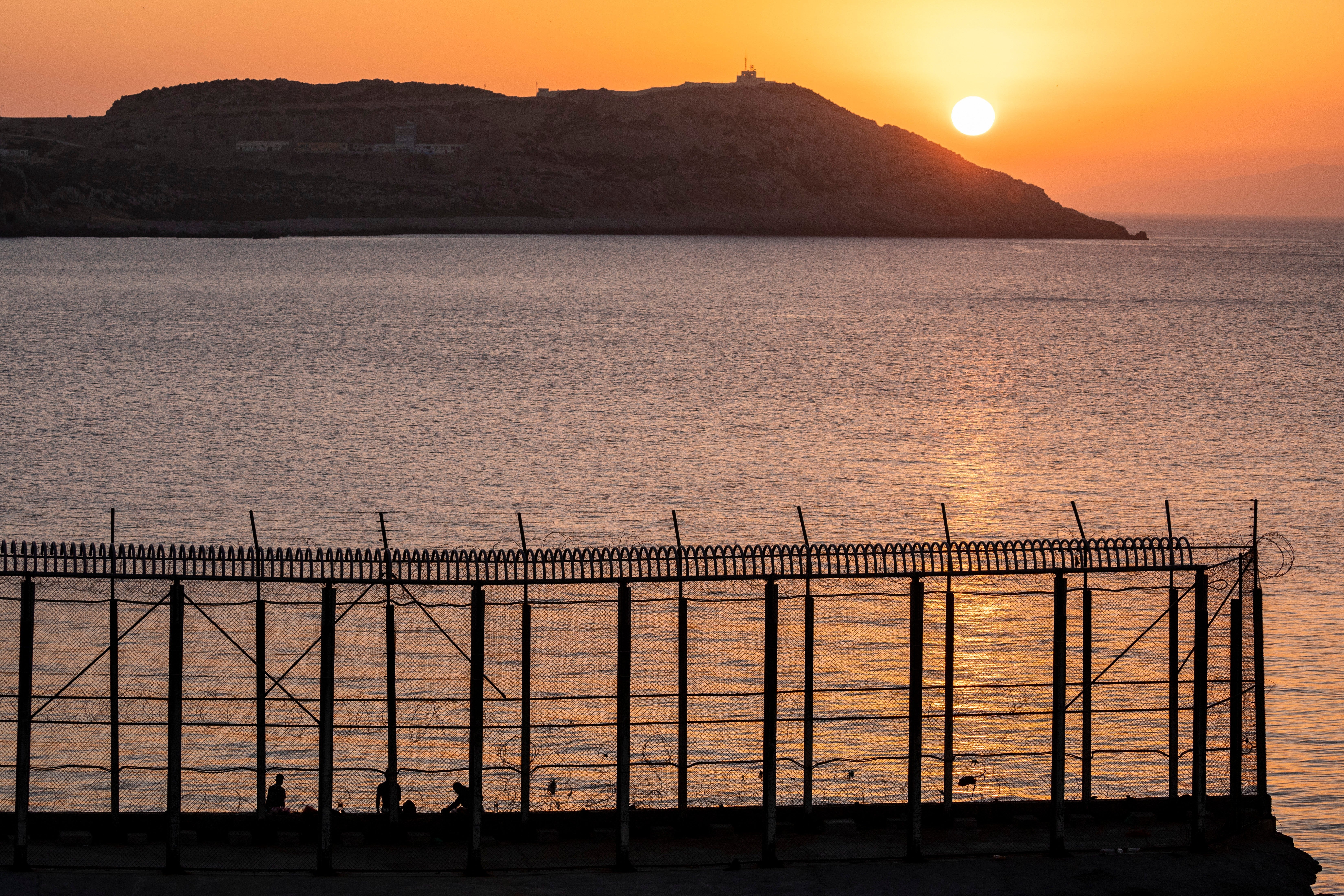
Ceuta, is located on the northern African coast, bordering Morocco. Spain is a main point of arrival into Europe for migrants seeking better economic opportunities or an escape from violence in their home countries.
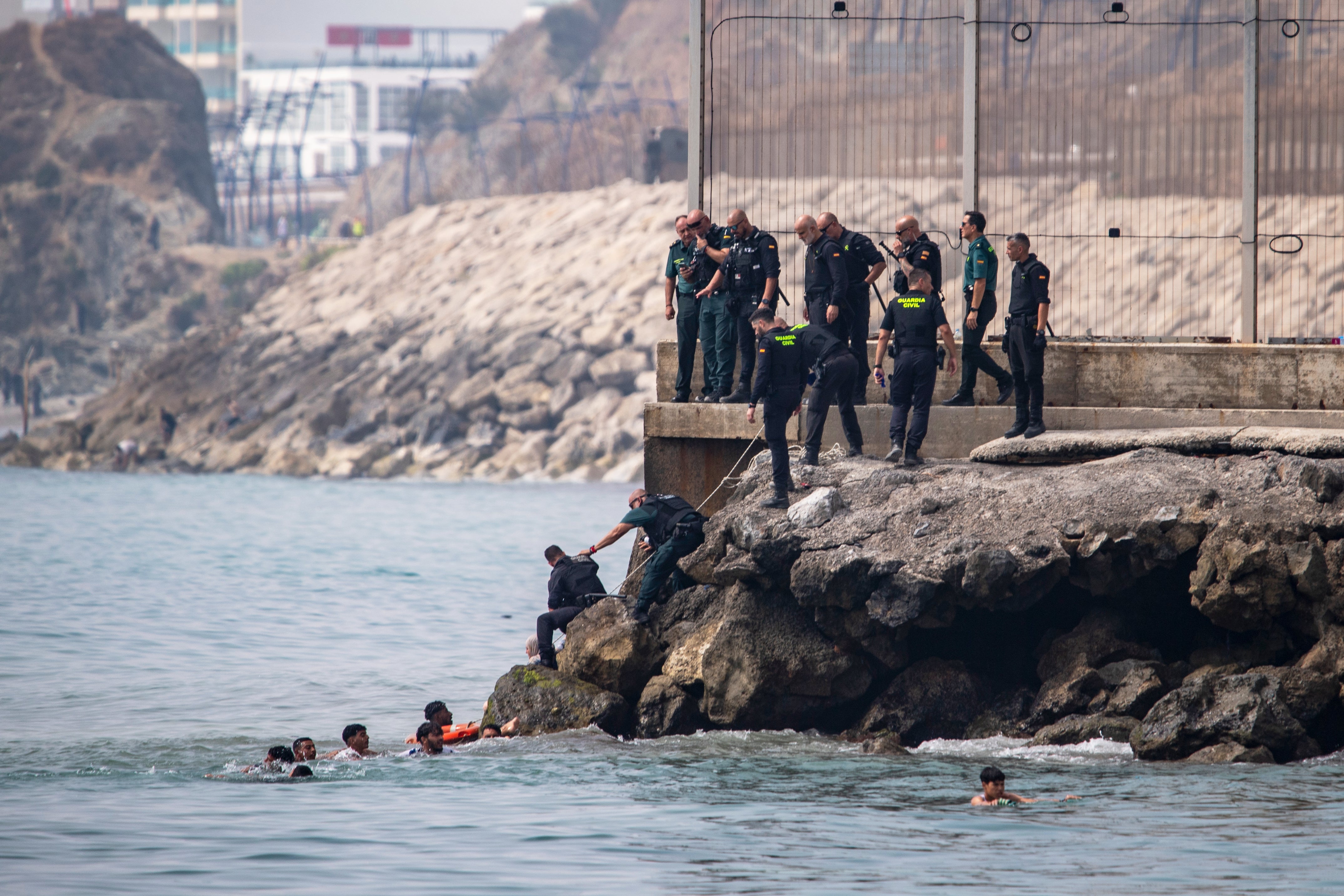
The escalation at the border between Spain and Morocco comes after a surge in migrants attempting to reach the small exclave, mainly by swimming.
cookie.trim() === ‘__DEBUG__=true’)) { console.log(‘Ad logs: “mpu1”, injectedAtParagraph: 3’); }]]>
Spain’s interior ministry said it would guarantee the safety of its citizens and the nation’s border, but that the government could not declare a national emergency over migration concerns.
A map of Ceuta:
Video footage showed crowds of people, mainly Moroccans, walking around the breakwaters at Tarajal beach onto local roads. “Viva España!” some shouted as they crossed.
A Guardia Civil spokesperson said the migrants were “massively entering from the sea” through the Tarajal breakwater, but could not provide any estimates for the numbers. State television TVE on Thursday reported that 2,000 to 3,000 youths had crossed, while state news agency EFE said some had scaled the border fences without swimming.
cookie.trim() === ‘__DEBUG__=true’)) { console.log(‘Ad logs: “taboola-carousel-thumbnails”, injectedAtParagraph: 6’); }]]>
Migrant rights activist Zakaria Zarroqui said Thursday’s crossing was similar to one that occurred in May 2021, when some 10,000 Moroccan and sub-Saharan youths entered the enclave in days. “The situation remains out of control as we speak,” Zarroqui said, adding that people were still flocking to the Moroccan city of Fnideq in an attempt to cross into Ceuta.
Juan Jesús Vivas, the head of Ceuta’s regional government, called for the national government to declare a national emergency on grounds of national security, asking for more police and for the army to be deployed on the border.
cookie.trim() === ‘__DEBUG__=true’)) { console.log(‘Ad logs: “mpu2”, injectedAtParagraph: 8’); }]]>
Vivas said the additional police and soldiers would be necessary “to guarantee the inviolability of the frontier and citizen safety.”
He had warned on Wednesday that migrant reception centers were overwhelmed with hundreds of people sleeping on the streets.
cookie.trim() === ‘__DEBUG__=true’)) { console.log(‘Ad logs: “mpu3”, injectedAtParagraph: 10’); }]]>
The interior ministry said that legislation covering a declaration of national emergencies does not consider migration flows as a risk to national security.
Government administrations are “coordinating to respond with speed and efficacy to the situation in Ceuta,” it said.
The ministry said the Moroccan government was “closely cooperating” with Spain to handle the situation, saying that Moroccan police are stopping “numerous people” who are trying to cross the border.
Earlier this month, Spain’s Supreme Court ruled that migrants intercepted at sea while attempting to reach Ceuta or Melilla cannot be summarily returned under the enclaves’ special border-rejection regime. “It has been a slow trickle since the Supreme Court’s ruling, but today has been an explosion,” the Guardia Civil spokesperson told Reuters.
Interior Minister Fernando Grande-Marlaska will travel to Ceuta on Friday to evaluate the situation.

