АНУ-ын Пенсилвани мужийн Ирвин хотод байрлах 1990-ээд оны хэв маягийг хадгалсан Pizza Hut ресторан нь хүмүүсийн дурсамж, сэтгэл хөдлөл болон өнгөрсөн үетэй хэрхэн холбогддог тухай асуудлыг хөндөж байна.
АНУ даяар олон зуун салбар хаагдаж, борлуулалт буурч байгаа хэдий ч тус салбар нь орон нутгийн иргэдийн дэмжлэгийг хүлээсээр байна. Карнеги Меллоны их сургуулийн Маркетингийн дэд профессор Жефф Галакын тайлбарласнаар, хүмүүс зөвхөн хуучин цагийг санах бус, харин тухайн газартай холбоотой гэр бүлийн оройн зоог, төрсөн өдөр зэрэг утга учиртай үйл явдлуудаа эрхэмлэдэг ажээ.
Брэндүүд маркетингийн стратегидаа өнгөрсөн үеийн элементүүдийг ашиглах нь түгээмэл үзэгдэл болсон ч энэ нь дан ганц ностальги буюу дурсамжаар тайлбарлагдахгүй юм. Судалгаагаар хүмүүс өөрсдийн амьдралын чухал мөчүүдтэй холбогдсон эд зүйлс, үйлчилгээнд илүү их сэтгэл хөдлөлийн үнэ цэнэ өгдөг болохыг тогтоожээ.
Нийгэмд ганцаардал нэмэгдэж буй өнөө үед ийм төрлийн газрууд нь хүмүүст нийгмийн харилцаа болон өнгөрсөн үеийн дурсамжтайгаа бэлгэдлийн түвшинд дахин холбогдох боломжийг олгодог байна. Иймд сэтгэл хөдлөлийн холбоос бүхий брэндүүд нь цаг хугацааны эрхээр практик ач холбогдлоо алдсан ч хэрэглэгчдийн хувьд үнэ цэнэтэй хэвээр үлддэг ажээ.
Дэлгэрэнгүйг эх сурвалжаас харах
↓Эх сурвалжийг нээх ↓
<![CDATA[{"className":"sc-1ge0fwe-0","newsletterData":{"pianoFieldName":"receiveEveningHeadlinesUSNews","regTitle":"Evening Headlines","subscriptionGroup":"us_evening_headlines","subscriptionGroupId":"4326e634-422a-4447-8e1e-604a937cd3b5","type":"daily_news","pathPrefix":["/us","/news/world/americas","/news/world/americas/crime"],"title":"The latest headlines from our reporters across the US sent straight to your inbox each weekday","mobileTitle":"Your briefing on the latest headlines from across the US","imageSrc":"https://static.independent.co.uk/static-assets/images/newsletters/usEveningHeadlines1_1.png","label":"I would like to receive morning headlines Monday – Friday plus breaking news alerts by email“,”newsletterKey”:”receiveEveningHeadlines”,”regSourceSection”:”Americas”,”regSourceNewsletter”:”NSC”},”isClimate”:false}]]>
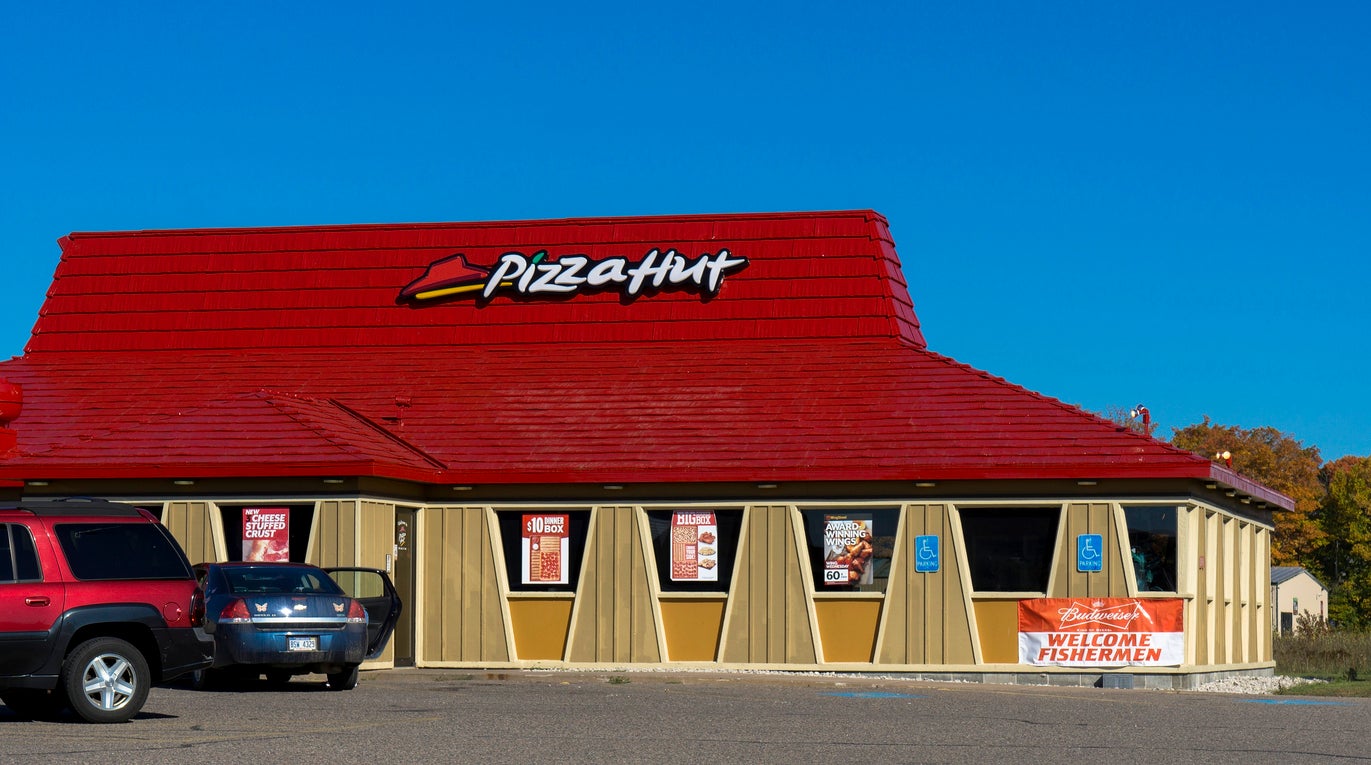
A Pizza Hut in southwest Pennsylvania was recently highlighted for preserving its retro 1990s appearance, even as hundreds of other locations have closed across the United States.
For locals and nostalgic onlookers, this specific restaurant in Irwin, Pennsylvania – whose faded outdoor murals feature the Teenage Mutant Ninja Turtles and New Kids on the Block – offers more than just a place to grab a stuffed-crust pizza. It represents a powerful window into how human beings interact with the past.
Despite dwindling sales, this particular Pizza Hut has the love and admiration of the locals.
But why do people still connect with a restaurant they no longer regularly visit?
cookie.trim() === ‘__DEBUG__=true’)) { console.log(‘Ad logs: “mpu1”, injectedAtParagraph: 3’); }]]>
As an associate professor of marketing at Carnegie Mellon University, I study consumer behavior and the psychology of decision-making, including how consumers form emotional attachments to possessions and experiences. Much of my research has examined [why some products continue to matter] long after their usefulness has faded.
Nostalgia is only part of the story
Companies have long embraced nostalgia, because reminders of the past often create positive emotional responses. Researchers have even argued that “marketing the past” has become a defining feature of contemporary branding.
In 2018, Pepsi recreated its iconic 1992 Cindy Crawford commercial. Over the past decade, the soft drink company has also periodically rereleased Crystal Pepsi, which it had discontinued in 1994, on a limited-time basis. Meanwhile, Burger King resurrected its ’90s-era logo in 2021.
cookie.trim() === ‘__DEBUG__=true’)) { console.log(‘Ad logs: “taboola-carousel-thumbnails”, injectedAtParagraph: 6’); }]]>
At first glance, the Irwin Pizza Hut’s preservation of its 1990s aesthetic seems like a simple case of promoting a nostalgic longing for the past. After all, Pizza Hut is a reminder of childhood for many Americans. But I don’t think nostalgia fully explains what’s happening.
Nostalgia reflects a desire to revisit an earlier period of life, even if only psychologically. Yet most people thinking of the Irwin Pizza Hut likely aren’t wishing it were 1995 again, or longing to repeat the awkwardness of middle school. They are remembering birthday parties, family dinners and time spent with people they cared about.
cookie.trim() === ‘__DEBUG__=true’)) { console.log(‘Ad logs: “mpu2”, injectedAtParagraph: 8’); }]]>
My own research suggests that people often value products, brands and places because those things have become connected to important people or meaningful life events.
A concert ticket could remind someone of a first date. A sweatshirt perhaps reminds someone else of graduating from college. A neighborhood restaurant could invoke memories of weekly dinners with family. The emotional value doesn’t come from wanting to return to those times or from the objects or places themselves, but rather from the associations that they carry.
Jeff Galak is an Associate Professor of Marketing, Carnegie Mellon University. This article was first published by The Conversation and is republished under a Creative Commons licence. Read the original article.
Studies I’ve done with colleagues found that sentimental value changes how people experience products over time. Most products become less exciting as people adapt to them, a phenomenon psychologists call hedonic adaptation. But when an object has sentimental value, the memories and relationships attached to it often remain meaningful even after its practical features become ordinary.
Nostalgia is especially powerful today
These emotional reactions may also reflect broader changes in society.
Researchers have documented increasing concerns about loneliness and declining social connection in the U.S. and many other countries. Loneliness doesn’t simply make people want more social interaction. It also changes the kinds of products they find appealing.
cookie.trim() === ‘__DEBUG__=true’)) { console.log(‘Ad logs: “mpu3”, injectedAtParagraph: 12’); }]]>
Recent research has found that lonely consumers become more interested in previously owned products because those products create a symbolic connection with the previous owner – even if the buyer doesn’t know who that person is.
Earlier work has similarly shown that loneliness increases consumers’ interest in nostalgic products and comfort foods associated with close relationships.
That’s why loneliness may make nostalgia brands especially appealing. They don’t just evoke another time. They symbolically reconnect us with relationships that once made us feel connected.

