
Далайн усны температур нэмэгдсэн нь далайн хортой могой болон акулууд Калифорнийн эрэг орчимд нүүдэллэн ирэх нөхцөлийг бүрдүүлж байна.
Эл Ниньо уур амьсгалын үзэгдлийн улмаас далайн усны температур огцом дулаарч байгаа нь тус бүс нутагт урьд өмнө тохиолддоггүй амьтдын нүүдлийг өдөөж байна. Тухайлбал, Калифорнийн эрэг орчимд цагаан акулын тоо эрс нэмэгдсэнээс гадна хортой шар хэвлийт далайн могой үзэгдэх болжээ. Австралийн музейн мэдээлснээр, уг могойн хор нь маш хүчтэй нейротоксин агуулдаг тул хазуулсан тохиолдолд яаралтай тусламж авахгүй бол хэдхэн цагийн дотор амь насанд аюул учруулах эрсдэлтэй юм.
Уур амьсгалын энэхүү өөрчлөлт нь далайн амьтдын байршлыг өөрчилж, хүмүүстэй тааралдах давтамжийг нэмэгдүүлж байна. Өмнө нь 2015-2016 оны Эл Ниньо үзэгдлийн үеэр Өмнөд Калифорнийн эрэг орчимд алх толгойт акул хүн рүү халдсан тохиолдол бүртгэгдэж байв. Шинжээчдийн үзэж буйгаар, халуун бүсийн амьтад Калифорнийн усанд түр зуур үзэгдэх нь энэ удаагийн дулаарлын онцлог шинж тэмдэг болж байна.
Калифорнийн Загас, зэрлэг ан амьтдын газраас мэдээлснээр, 1950 оноос хойш тус эргийн бүсэд акул болон хүмүүсийн хооронд 236 удаагийн харилцан үйлчлэл бүртгэгдсэн байна. Энэ нь тус мужийн далайн эрэгт жилд амардаг 120 сая гаруй хүнтэй харьцуулахад маш бага үзүүлэлт юм. Гэсэн хэдий ч усны температур нэмэгдэж байгаатай холбогдуулан далайн амьтдын нүүдлийн зам өөрчлөгдөж, болзошгүй эрсдэл нэмэгдэж байгааг мэргэжилтнүүд анхааруулсаар байна.
Дэлгэрэнгүйг эх сурвалжаас харах
↓Эх сурвалжийг нээх ↓
An El Niño climate pattern typically brings dangerous heat domes and hurricanes to the Pacific but experts have added to the list of threats this year: sea snakes and sharks.
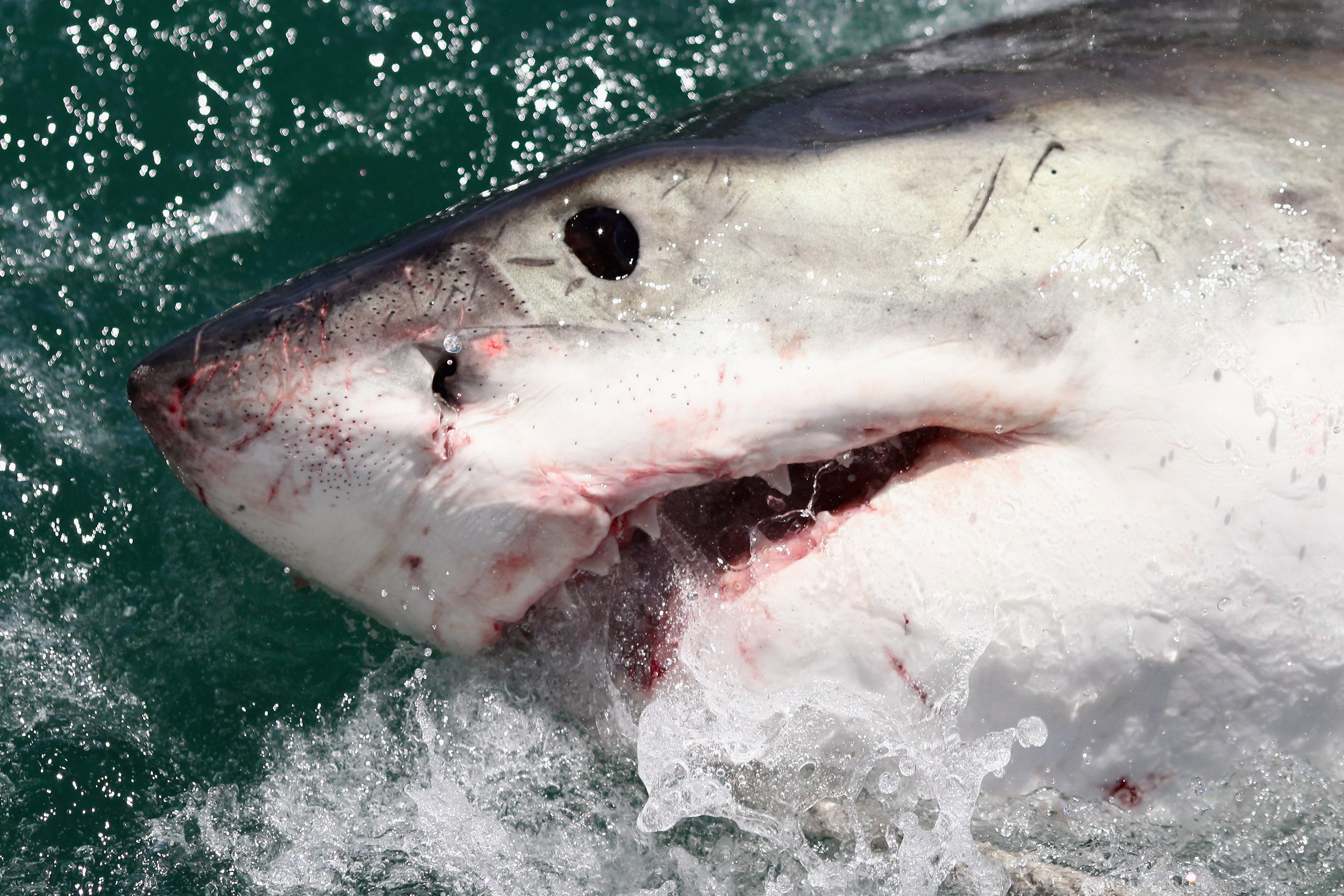
White sharks – known commonly as great whites – are swimming off the California coast in greater numbers this year thanks to hotter ocean temperatures linked to this year’s supercharged El Niño.
“We expect to see all kinds of weird tropical things come up with this warm water,” Douglas McCauley, director of the Benioff Ocean Initiative at the University of California, Santa Barbara, told USA Today.
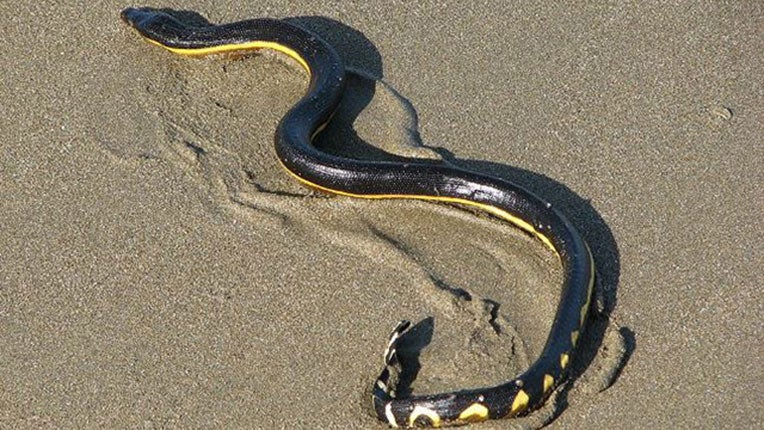
One of those weird things is the venomous and tropical yellow-bellied sea snake.
A bite from this sea snake can lead to paralysis and death in just hours without treatment, according to the Australian Museum.
“The fangs are quite short (~ 1.5 millimeters) and only a small dose of venom is usually injected, however this venom is highly toxic and contains potent neurotoxins and myotoxins,” the museum warns.
This is not the first time species not usually found in California waters have been seen in an El Niño event. Tiger and bull sharks, which are often frequent the Atlantic, have been spotted.
El Niño – the warm phase of a global climate pattern – has been tied to shifting populations of sea lions, turtles and fish in the past, too. There were Hammerhead shark bites reported off the Southern California coast during the 2015-2016 El Niño event, according to KNBC.
“We saw this fin and then it dove,” kayaker Kyle Hudgins told the station after his friend Dylan Marks was bitten while kayaking near Santa Monica.
“We didn’t see it for like five minutes and then all of a sudden he had his foot over the side and he just got bit. And then he put his foot up on the kayak and he said, ‘Oh, dude. I just got bit!’” Hudgins recalled.
The bite happened a week after a Hammerhead shark circled a group of kayakers off the San Diego coast.
Hammerheads are not usually aggressive, but warming waters are shifting where they and their prey swim. That means there are more chances for encounters with humans – though these encounters are rare.
“Since 1950, CDFW has documented only 236 interactions between sharks and people off the California coast. Compare that to the over 120 million estimated beach visits in the state each year,” California’s Department of Fish and Wildlife said in a Thursday social media post.
Similar changes are happening in the Atlantic, although the Pacific Ocean is roughly twice as large as the Atlantic Ocean. It spans 60 million square miles, according to the National Oceanic and Atmospheric Administration.
“Some of these kinds of interesting oddities that are never a part of California will become part of this temporarily tropical El Niño-heated California,” McCauley said.


