
Испанийн харьяаны Сеута хотын хилийг олон арван мянган цагаач давснаар хүмүүнлэгийн хямрал нүүрлэж, орон нутгийн эрх баригчид дэг журам сахиулахаар цагдаа болон армийн хүчийг дайчлахад хүрэв.
Пүрэв гарагаас баасан гарагийн өглөө хүртэлх хугацаанд 60,000 орчим хүн Марокко улсаас Испанийн нутаг дэвсгэр рүү нэвтэрсэн байна. Үүний улмаас Сеута хотын оршин суугчдын тоо огцом нэмэгдэж, хотын гудамжаар олон мянган залуус хэсүүчлэх болсон нь орон нутгийн иргэдийн дунд түгшүүр төрүүлэв. Хэдийгээр хэдэн арван мянган хүн ирсэн ч тэдний дийлэнх нь буюу 45,000 орчим нь хэдхэн цагийн дотор Марокко руу буцсан байна.
Цагаачлалын энэхүү давалгаа нь нийгмийн сүлжээгээр дамжуулан хилийн хяналтыг нэвтрэх зааварчилгаа болон сурталчилгаа тархсантай холбоотой гэж судлаачид үзэж байна. Олон хүн ажилгүйдэл болон ядуурлаас зугтаж, Европын холбооны нутаг дэвсгэрт амьдралаа залгуулах итгэл найдвараар ийнхүү эрсдэлтэй алхам хийжээ. Зарим нь Испанид хүрч чадсан ч ажлын байр болон амьдрах боломж хомс байгаа тул буцахаас өөр аргагүйд хүрсэн байна.
Хилийн бүсэд үүссэн эмх замбараагүй байдлын улмаас сураггүй алга болсон дотны хүмүүсээ эрэн хайх ажиллагаа үргэлжилж байна. Хилийн хашааг тойрч гарах гэж байгаад 60 гаруй хүн амиа алдсан тохиолдол гарсан бөгөөд одоогийн байдлаар Испанийн эрх баригчид хууль бусаар нэвтрэгсдийг албадан гаргах арга хэмжээг үргэлжлүүлж байна.
Дэлгэрэнгүйг эх сурвалжаас харах
↓Эх сурвалжийг нээх ↓
Upon hearing the border had been breached, Abdulah Buji immediately mounted his motorbike, racing from his northern Moroccan home towards Ceuta.
He joined tens of thousands attempting to swim into the tiny Spanish territory, driven by the hope this mass crossing could unlock his dream of reaching Spain and a new life in Europe.
“Spain gives you the chance to make your future, not like Morocco,” explained the 21-year-old aspiring teacher. “I am a talented boy. I just want a chance.”
Yet, his elation at reaching Spanish soil quickly turned to disheartening reality. Mainland Europe lay across the Mediterranean, and he and the other new arrivals were unwanted. Spanish authorities ordered everyone to return or face expulsion.
Buji recounted almost joining the more than 60 people who died attempting to swim around a border fence. He made it across, but lost his belongings and money.
Realising he faced legal limbo and detention, he turned back. “I’ve spent perhaps 14 years studying, but there’s nothing at home, and I’d have to work 12-hour shifts for a meager wage,” Buji told The Associated Press.
“That’s why I came here, but I haven’t found any opportunities here either, so I have to go back.”
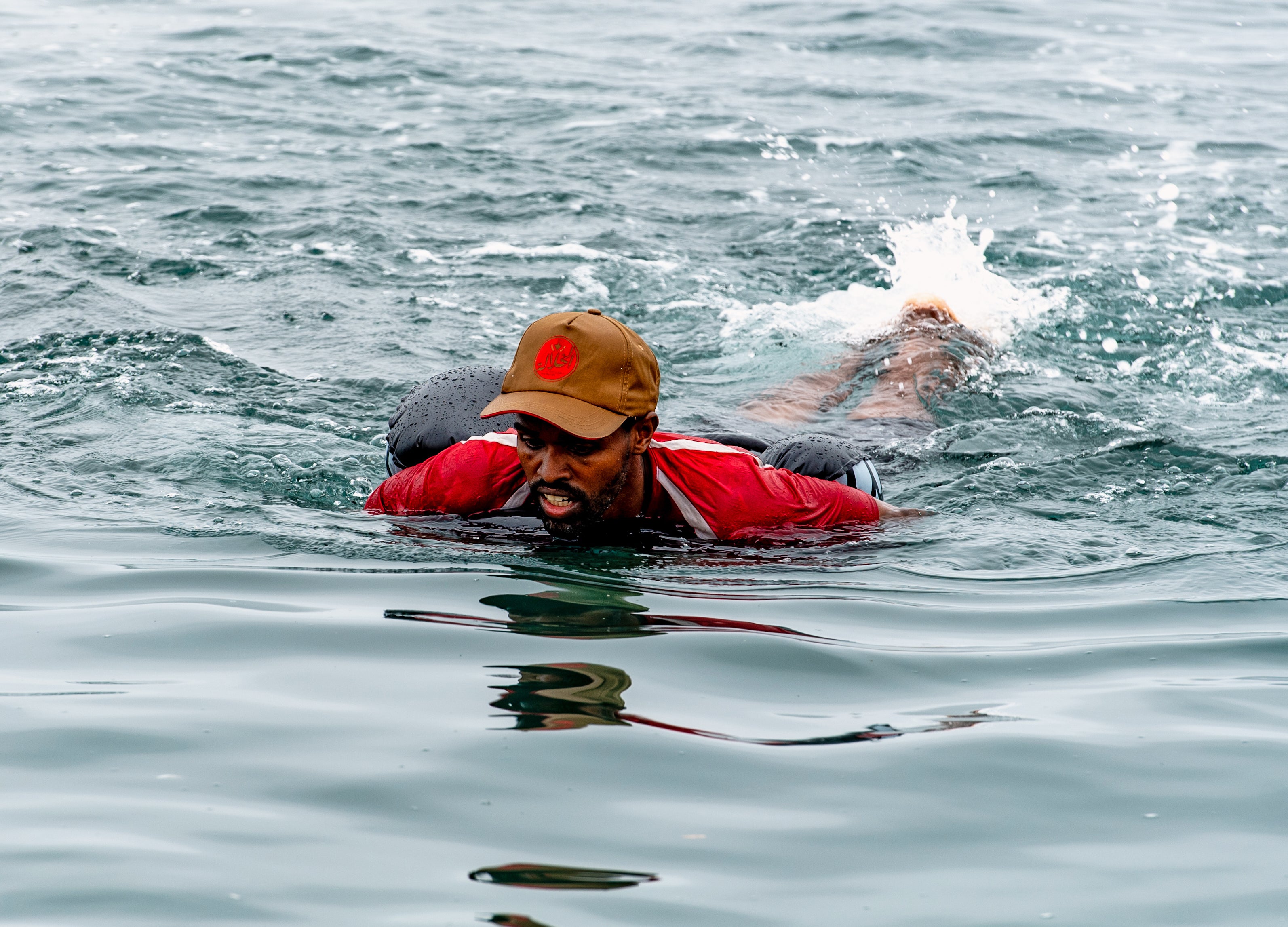
A surge in migrants created a humanitarian crisis
Of the 60,000 people who crossed between Thursday and Friday morning, some 45,000 had returned to Moroccan territory within hours after many spent the night on the streets of Ceuta amid startled locals and armed Spanish police and soldiers.
The massive influx of people, which totaled 70 per cent of Ceuta’s resident population, sparked calls by local Spanish authorities for police and the army to establish order.
Locals were concerned by the thousands of mostly young men aimlessly walking the streets.
Ceuta’s residents recalled a similar but smaller migration crisis in 2021, when the Moroccan government dropped its border controls and let several thousand people from Morocco and sub-Saharan countries into Ceuta over two days. The city faced a much larger humanitarian crisis this time.
People flee out of despair and wanting to help their families
As the first reports and videos of migrants reaching Ceuta spread on social media, more people headed north in hopes of reaching European Union territory.
Train stations in Morocco’s capital, Rabat, and in the country’s largest city, Casablanca, were crowded with people trying to travel to the border with Ceuta.
Local media showed police officers preventing some of them from boarding trains and buses.
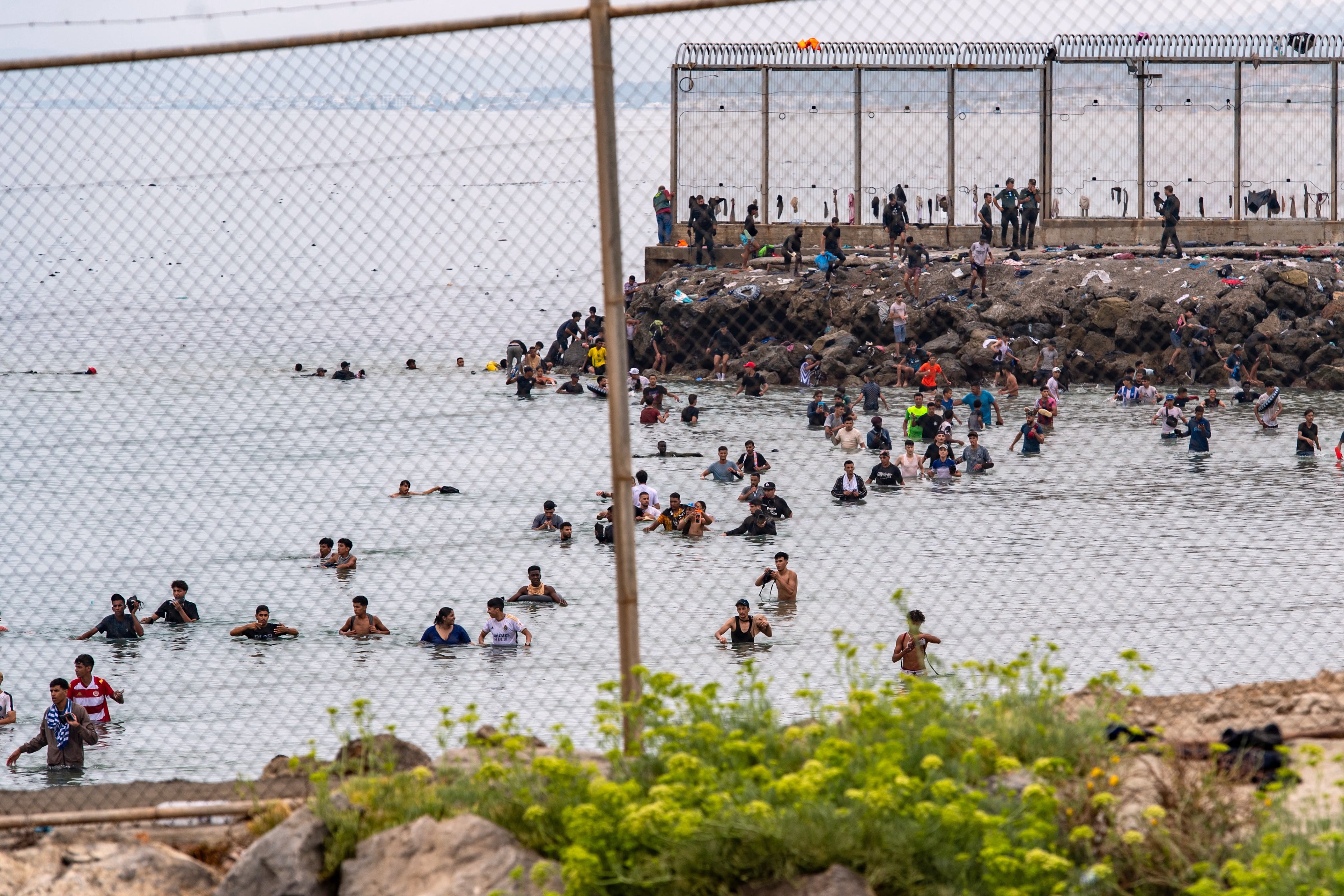
It isn’t clear what triggered the influx, but social media was awash with posts encouraging Moroccans to try to enter Ceuta days before it began, said Myriam Cherti, a senior researcher at the University of Oxford’s Centre on Migration, Policy and Society.
The posts included practical information on how to cross the border and what migrants should say to increase their chances of being allowed to stay.
Cherti said some of the migrants she interviewed over the past year had lost count of the number of times they had tried to cross the border.
“They’re doing it out of despair, they’re doing it because they’ve tried other ways to build a life and failed, they’re doing it because they feel the obligation that they want to help their families and support them,” she said.
“And that’s possible if they make it to Spain and not necessarily possible if they stay” in Morocco.
Ahmed Karim, 33, was among those who managed to cross into Ceuta. He doesn’t have work and says the problem is compounded for many Moroccans due to the difficulty in traveling outside the country.
He said many Moroccans want to go to Europe or America, “but they don’t have the opportunity.”
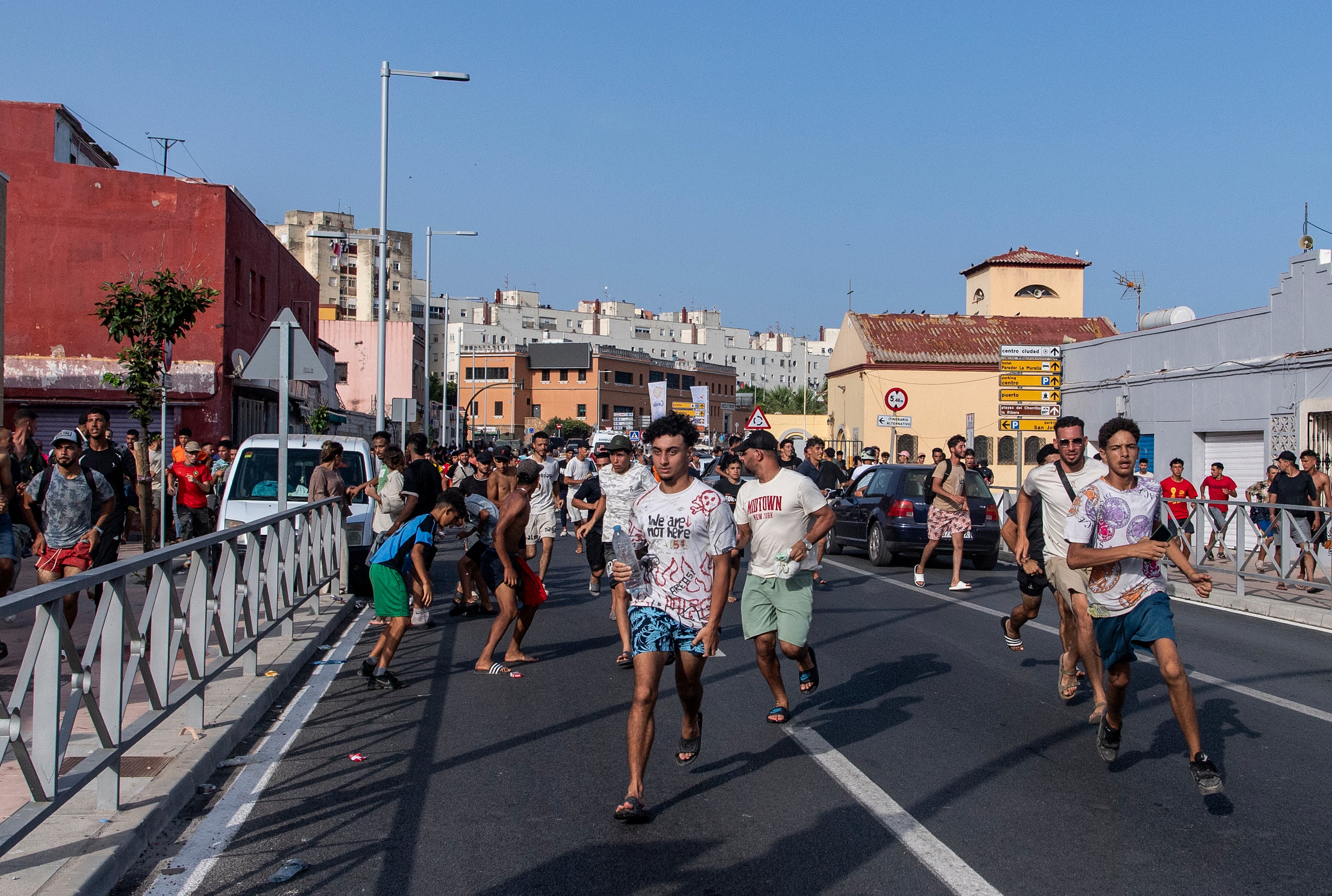
Searching for loved ones in the chaos
Other people who crossed, however, were not coming to stay; they were searching for lost loved ones and hoping they were not among the dead.
Ikrra Khai, 33, is one of thousands of Moroccan women who regularly get temporary job permits to work on Spanish farms at harvest time.
On Friday she was in Ceuta looking for the brother of a good friend.
“I don’t know if he is dead or alive,” she said. “I have his residency card. But I don’t know where he is. I’m searching.”


