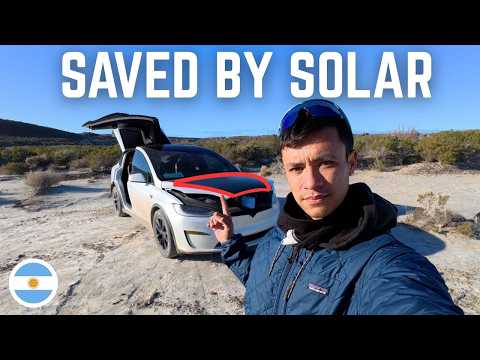
Цахилгаан автомашины цэнэглэх цэгийн хүртээмж муутай бүс нутагт Tesla Model X загварыг ашиглан хийж буй аялал нь технологийн томоохон сорилт болж байна.
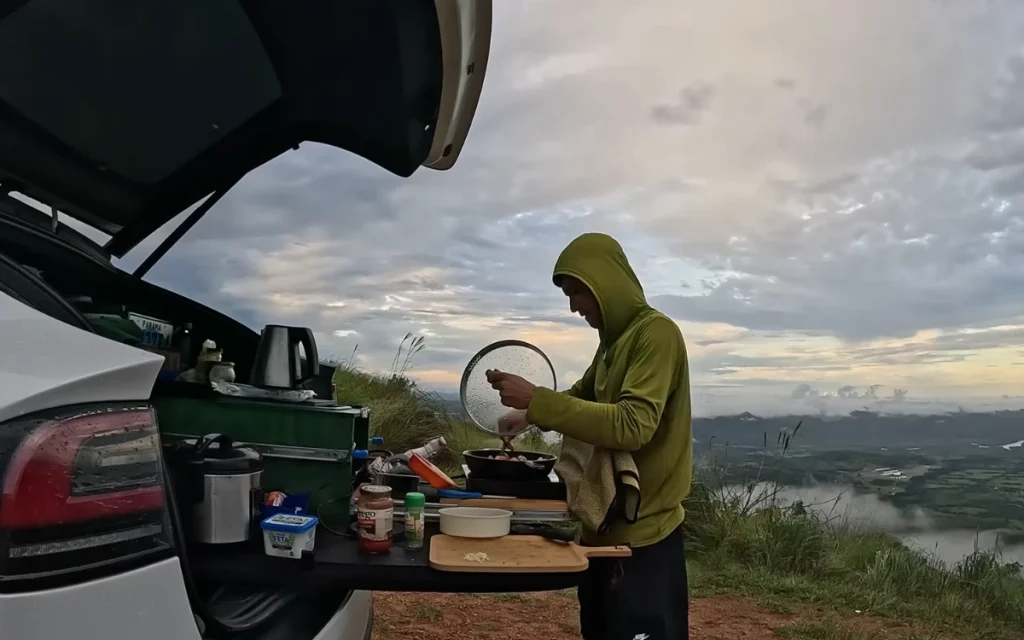
Өөрийгөө “Everyday Sandro” хэмээн нэрлэдэг контент бүтээгч АНУ-ын Орегон мужаас эхлэн Канад болон Өмнөд Америкийг дамжин Аргентин хүртэлх аяллаа Tesla Model X загварын “Beluga” хэмээх автомашинаар үргэлжлүүлж байна. Аяллын хамгийн хүндрэлтэй хэсэг болох Патагонид цэнэглэх станцын хомсдол, газар зүйн онцлог болон хүчтэй салхины улмаас автомашины явалтын зайд сөргөөр нөлөөлж байгаа юм.
Пуэрто-Мадрин хотоос Комодоро-Ривадавиа чиглэлийн 435 километр замыг туулахдаа тэрээр цахилгаан зарцуулалтыг багасгахын тулд хурдаа 50 км/ц хүртэл бууруулж, уур амьсгалын хяналтын системийг унтраан, автомашины тэнхлэгийн өндрийг намсгах зэргээр “hypermiling” буюу эрчим хүчний хэмнэлтийн горимд шилжжээ. Эдгээр арга хэмжээ хангалтгүй байсан тул автомашины дээвэрт суурилуулсан нарны зайн хавтангуудыг ашиглан цэнэгийн түвшинг хадгалсан байна.
Нарны зайн хавтангийн тусламжтайгаар тэрээр цэнэгийн түвшингээ 4 хувь хүртэл бууруулсан ч хувийн цэнэглэх станцад хүрч чаджээ. Хэдийгээр нарны зайн хавтан нь явалтын зайг нэмэгдүүлэхэд хангалтгүй ч богино хугацааны шийдэл болж, аяллыг үргэлжлүүлэх боломжийг олгосон байна.
Дэлгэрэнгүйг эх сурвалжаас харах
↓Эх сурвалжийг нээх ↓
This guy has been traveling from the US to South America with his Tesla Model X, and the whole experience has been challenging for so many reasons.
Finding charging points has been a constant struggle – and probably the main problem – which is why the Tesla owner resorted to emergency measures.
One of these measures was a solar panel mounted to the roof.
And it did work, but with a minor catch.
This Tesla owner is on an ambitious mission
This YouTuber and Tesla owner – who goes by Everyday Sandro – has been traveling across the Americas with his Tesla Model X, nicknamed Beluga.
He’s made good progress, mostly thanks to his ingenuity.
“The phrase ‘here goes everything’ is something I started to say about halfway into my solo expedition across the Americas because it gives me the confidence to know that whatever problem we might encounter, I can figure it out because there’s always a solution,” he said in the video.
He left Oregon, briefly drove to Canada, then traveled across the US and made it South America.
He’s now in Argentina, which is far as south as you can get.
In fact, he’s almost reached the bottom of Argentina, in Patagonia, which also represents the southernmost point of the South America, and therefore the Americas.
That’s the good news, but the bad news is that this is one of the toughest parts of the journey, mostly due to a combination of two things: geography, and lack of chargers.
And the journey’s certainly taken its toll on the car.
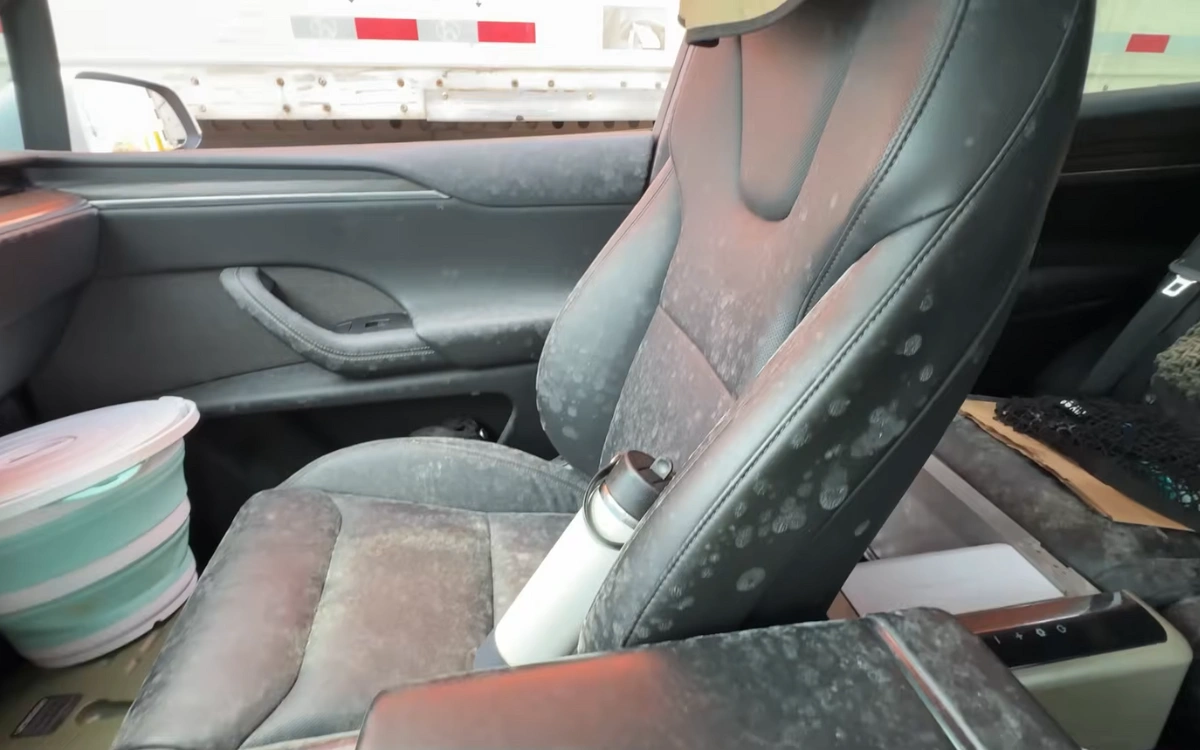
In his latest video, Sandro told his viewers that he’s now traveling from Puerto Madryn to Comodoro Rivadavia in Patagonia.
That’s a 435-kilometer (270 miles) with a 1,000-meter climb and sever headwinds, and both those things aren’t great for range.
The drive became even more grueling when Sandro realized the best (or perhaps only) way to reach Patagonia was to do what people call hypermiling, which was basically sacrificing everything at the altar of electric range.
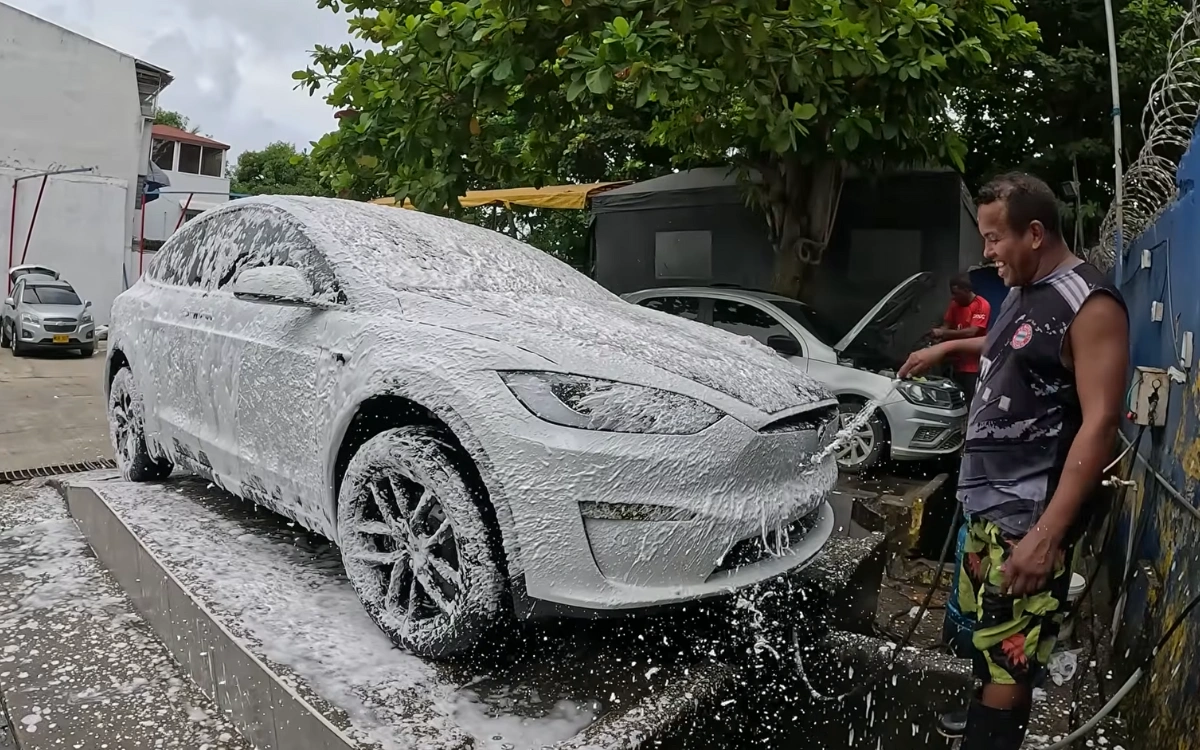
He kept driving at extremely low speeds – 50 km/h or slower – and he also decided to disable climate control, and lower the suspension to reduce drag.
But that still wasn’t enough, which is why he had to use his solar panels.
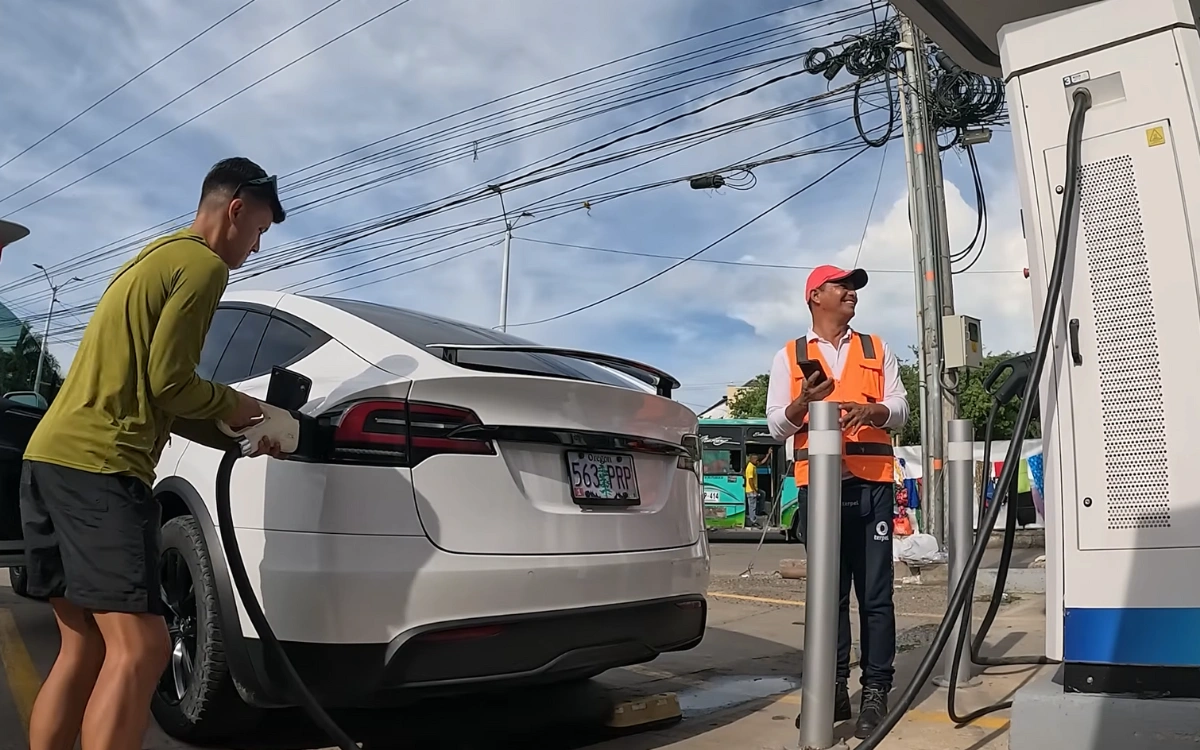
The problem with charging electric cars using solar panels
Let’s start with the good news.
By using his custom solar panels to maintain his battery charge at an acceptable level, Sandro managed to reach a private charger.
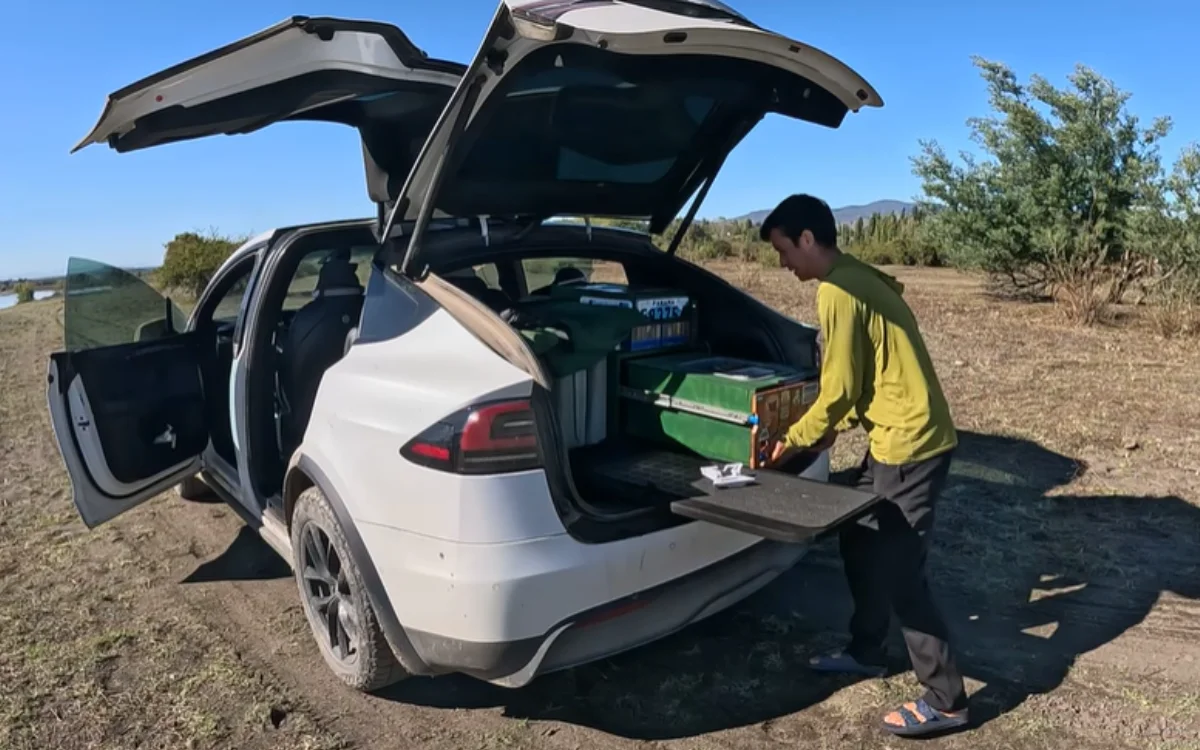
He only had 4 percent battery left – roughly 12 miles of remaining range – but he managed, which was the only thing that mattered.
But this was achieved by driving incredibly slowly, which explains why it took him 8.5 hours to reach the charger.
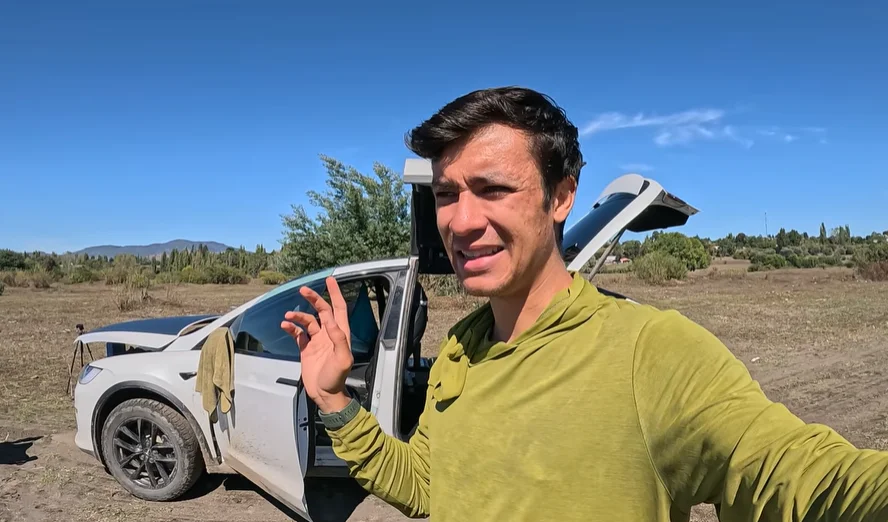
And that highlighted the main problem with solar panels.
Solar panels work as a stopgap measure, but the problem is that they barely harness enough energy to keep you going.
You’re not gaining miles, but you aren’t losing any either, as long as you drive like a monk.
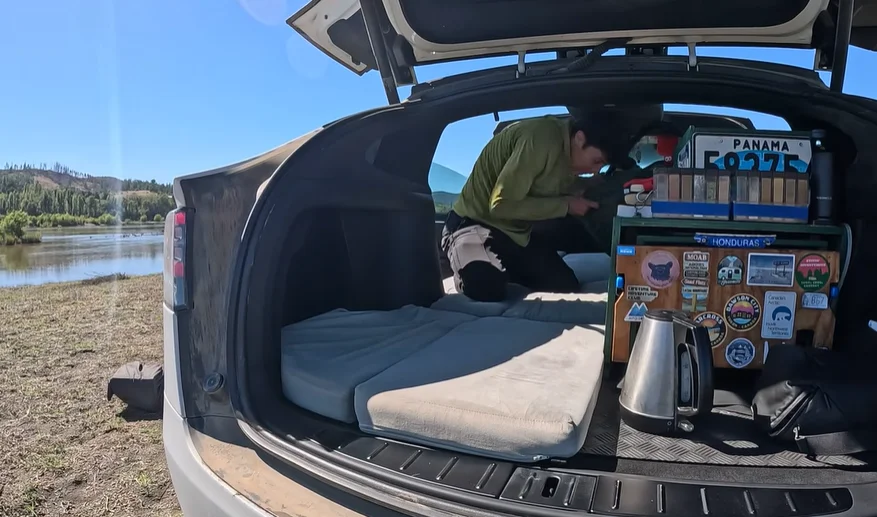
As a long-term solution, it doesn’t really work.
But if you’re driving your Tesla Model X from the US to Patagonia, evidently, it does.