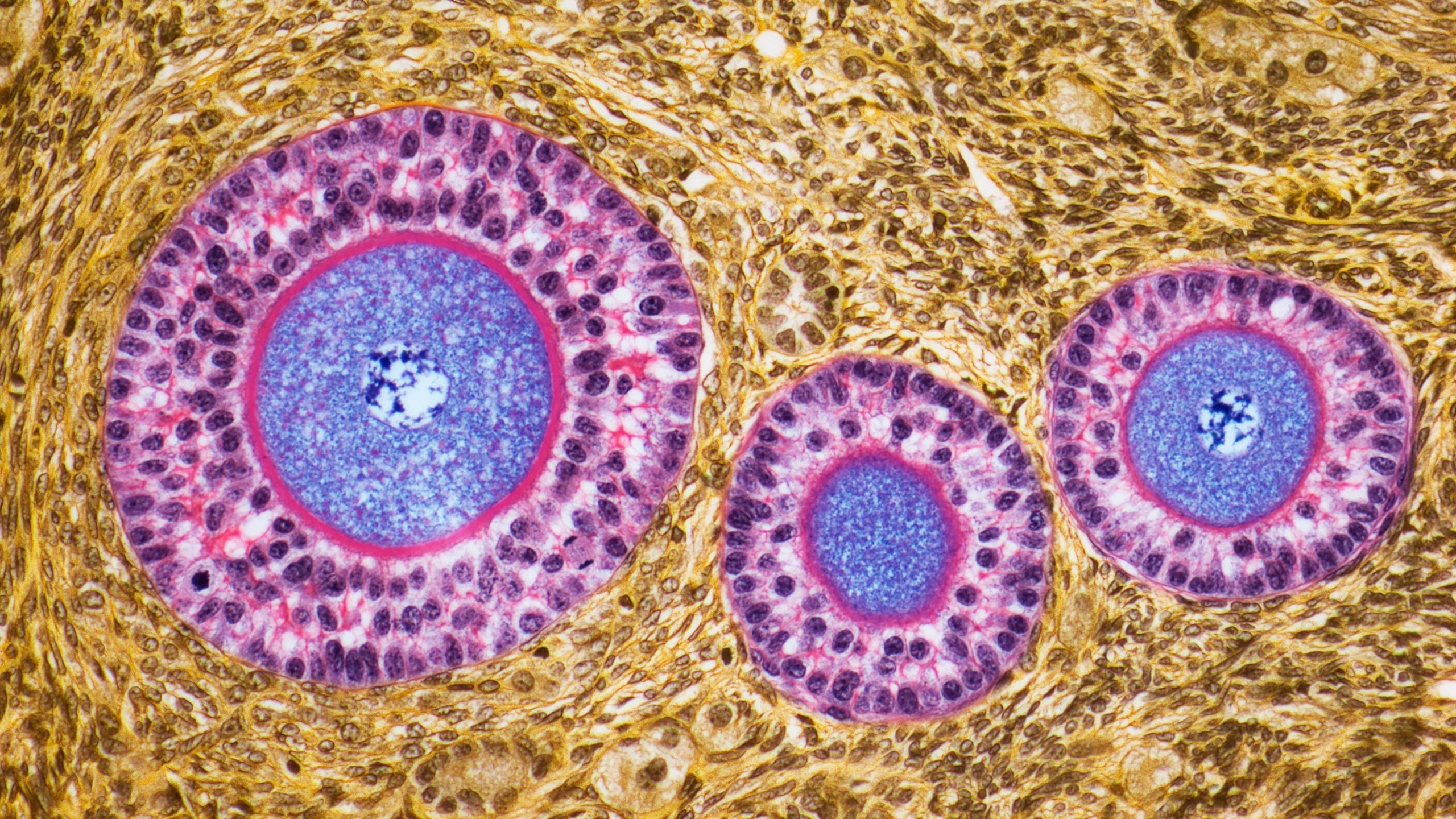
Цэвэршилтийн дараа өндгөвч идэвхгүй болдог гэсэн өмнөх ойлголтыг үгүйсгэж, уг эрхтэн нь бие махбодын хөгшрөлтийн процесст чухал үүрэг гүйцэтгэдэг болохыг эрдэмтэд тогтоожээ.
Northwestern University-ийн нөхөн үржихүйн биологич Francesca Duncan болон Buck Institute-ийн протеомикийн мэргэжилтэн Birgit Schilling нарын удирдсан судалгааны баг цэвэршилтийн дараах өндгөвчний үйл ажиллагааг судалж, үр дүнгээ Aging Cell сэтгүүлд нийтлүүлэв. Судлаачид 50-59, 60-69, болон 70-аас дээш насны, эрүүл эд эс бүхий нийт 28 эмэгтэйн өндгөвчний эдэд масс-спектрометрийн шинжилгээ хийжээ. Шинжилгээгээр өндгөвчний уургийн бүтэц нь нас ахих тусам өөрчлөгдөж, 50-59 насныханд РНХ, ДНХ-ийн зохицуулалттай холбоотой уургууд давамгайлж байсан бол 70-аас дээш насныханд липидийн солилцоо, төрөлхийн дархлаа, үрэвслийн үйл явцтай холбоотой уургууд илүүтэй ажиглагдсан байна.
Энэхүү судалгаа нь өндгөвч нь зөвхөн нөхөн үржихүйн эрхтэн биш, харин тархи, яс зэрэг бусад эрхтэнтэй холбогдон хөгшрөлтийн явцад нөлөөлдөг болохыг харуулж байна. Хэдийгээр шинжилгээнд хамрагдсан эдүүд нь хавдаргүй байсан ч нас ахих тусам өндгөвчний эдэд үүсдэг фиброз болон үрэвсэлт орчин нь өндгөвчний хорт хавдар үүсэх эрсдэлтэй холбоотой байж болохыг судлаачид онцолжээ.
Эрдэмтдийн үзэж буйгаар, өндгөвчний хөгшрөлтийн энэхүү “замын зураг” нь ирээдүйд хорт хавдрын эрсдэлийг бууруулах эмчилгээ болон биомаркер хөгжүүлэхэд чухал ач холбогдолтой юм. Судалгаа нь цэвэршилтийн дараах үеийн эрүүл мэндийн тусламж үйлчилгээ болон өндгөвчөө авахуулсан хүмүүсийн эрүүл мэндийн хяналтад шинэ хандлага хэрэгтэйг харуулж байна.
Дэлгэрэнгүйг эх сурвалжаас харах
↓Эх сурвалжийг нээх ↓
Menopause has long been thought of as a terminal moment for the female reproductive system, when ovaries stop releasing eggs and presumably call it a day.
But this simplified image of ovarian retirement simply isn’t holding up, as researchers look closer at what happens to these organs after menopause.
“In the ovary, we reach a point of no return with respect to fertility in which it’s no longer producing eggs, and I would venture to say most people assume those ovaries are just sitting there doing nothing, similar to the appendix,” says reproductive biologist Francesca Duncan of Northwestern University.
“The ovary is not just a reproductive organ,” says proteomics expert Birgit Schilling of the Buck Institute.
“It really influences how somebody ages because it speaks to all these other organs, such as the brain, and also to the bone, and women after menopause experience often a lot of bone problems. So, we think there is a connection between all these organs.”
Schilling and Duncan led a new study published today in the scientific journal Aging Cell.
Their results suggest that for the ovary, menopause is much more like a career change than retirement.
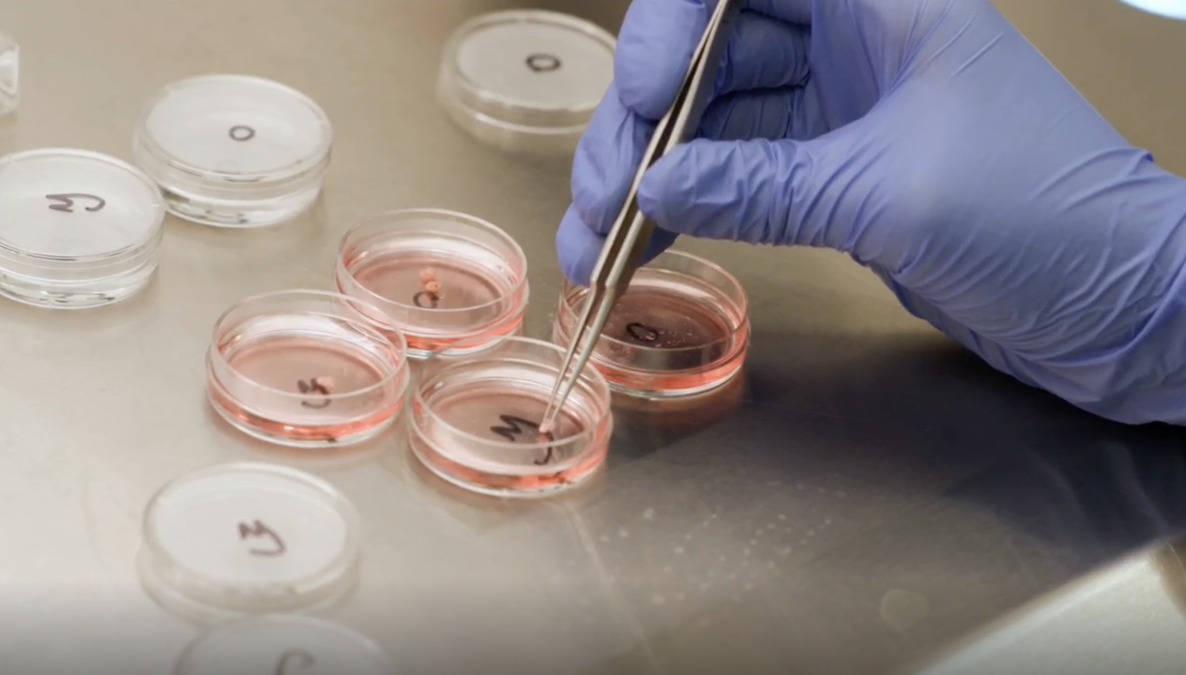
The researchers used mass spectrometry to look at which proteins were active in the healthy ovaries of 28 postmenopausal women, according to the tissue donor’s age: 50-59 years, 60-69 years, and 70 and older.
These women had their ovaries surgically removed for various reasons, but none of the ovaries included in the study showed signs of disease.
The results mirrored what Duncan found in the ovaries of mice in a study published earlier this year: the protein profiles produced by ovarian tissue shift progressively with age. In the human ovaries, a core set of seventeen proteins really characterized that shift.
Ovaries from the 50-59 age group had more proteins related to regulating RNA and DNA, and maintaining the tissue structure and cells. In contrast, ovaries from the 70+ group had more proteins involved in lipid metabolism, innate immunity, and inflammation.
If ovaries were ‘inert’ after their reproductive years, that wouldn’t be the case.
“I was predicting that if we took a 50-year-old ovary, a 60-year-old ovary, a 70-year-old, an 80-year-old ovary, they would all look exactly the same, have no eggs, and basically be non-functional,” Duncan says.
“The fact that across species we’re seeing this gives us confidence that this isn’t just some random event, but something truly meaningful is happening in the biology.”
Life expectancies are generally stretching further than ever before, which means there’s now far more postmenopausal people wandering around, whose bodies we still don’t fully understand.
Ovarian cancer risk is much higher after menopause, and the new study reveals why this might be the case.
Age-related changes in ovarian tissue and immune cells at the protein level create an environment ideal for tumors by loading the extracellular matrix with collagen.
The ovarian tissue samples in this study were, of course, tumor-free, but proteins previously linked to ovarian cancer were abundant, most prominently in the ovaries of women in their 60s.
“It’s not that all postmenopausal women get ovarian cancer, but we know that that fibrotic inflammatory environment is certainly an environment that cancer cells prefer to home in on,” Duncan says.
“This is all consistent with the idea that the aging ovary is a potential third hit for ovarian cancer, with the first hit being genetic and the second hit being environmental. So can we target the aging ovary therapeutically to lower the risk of ovarian cancer, or can we develop novel biomarkers of ovarian cancer?”
With an initial ‘roadmap’ of ovarian aging now established, researchers can begin to probe these more nuanced questions.
These findings could have important implications for healthcare in people’s post-reproductive years, and among people who have their ovaries removed.
The research has been published in Aging Cell.
This article was fact-checked by Fiona MacDonald and edited by Fiona MacDonald. While we pride ourselves on our process, we are only human. If you spot a mistake, please let us know.

