
Судалгаагаар мэс заслын явцад цуглуулсан артерийн судасны дээж бүрээс микропластик олдсон бөгөөд энэ нь хүний эрүүл мэндэд сөрөг нөлөө үзүүлж болзошгүй байна.
Хятадын Capital Medical University-ийн судлаачдын баг 2024 онд Journal of Hazardous Materials сэтгүүлд хэвлүүлсэн судалгаагаараа хүний биеэр цус дамжуулдаг артерийн судаснуудад микропластик хуримтлагддагийг тогтоожээ. Мэс заслын явцад цуглуулсан артерийн судасны 17 дээжийг шинжлэхэд бүгдээс нь микропластик илэрсэн бөгөөд уг концентраци нь цусанд байдаг хуванцрын хэмжээнээс харьцангуй өндөр байв. Судлаачид коронар, нийтлэг нойр болон гол судас гэсэн гурван төрлийн артерийн судасны эдээс микропластик илрүүлсэн байна. Өөхөн товруу үүссэн буюу аюултай өөхөн товруу агуулсан коронар болон нойр судасны дээж дэх микропластикийн түвшин тийм товруугүй гол судасны дээжтэй харьцуулахад хоёр дахин их байжээ.
Амьтны дээр хийсэн судалгаагаар микропластик нь судас хатуурах өвчин буюу артерийн судас нарийсах эмгэгтэй холбоотой болохыг өмнө нь тогтоож байсан бөгөөд энэ нь зүрхний шигдээс, цус харвах эрсдэлийг нэмэгдүүлдэг байна. Мөн микропластик нь исэлдэлтийн стресс үүсгэж, эсийг гэмт болон эрчим хүчний болон липидийн солилцоонд саад учруулж, дархлаа-үрэвслийн хариу урвал өдөөж болзошгүйг амьтны туршилтаар илрүүлжээ. Гэсэн хэдий ч судасны төрлийн ялгаа нь микропластикийн түвшинд нөлөөлсөн байж болзошгүй тул үүнийг цаашдын судалгаагаар сайтар шалгах шаардлагатай аж.
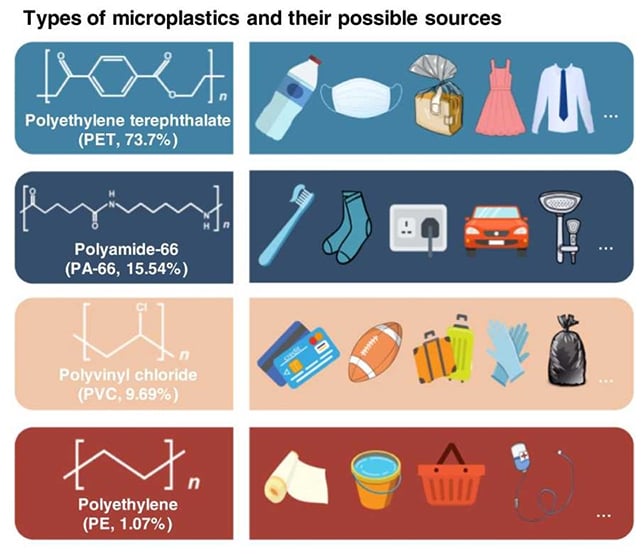
Хүний биед микропластик яаж орж ирж байгаа нь бүрэн тодорхойгүй байгаа хэдий ч хүнс, ундаагаар дамжуулан залгих, агаараас шууд амьсгалах зэрэг олон замаар нэвтэрдэг байх магадлалтай юм. Эдгээр эх үүсвэрээс микропластик нь эсүүд рүү нэвчиж, эсвэл эс хоорондын зайгаар дамжин цусны урсгалд хүрснээр артерийн судас руу ордог байна. Судалгааны дээжүүдэд илэрсэн хуванцрын 73.7 хувийг усны сав, хүнсний сав баглаа бо болон хувцас хийхэд ашигладаг полиэтилен терефталат (PET) эзэлжээ.
The New England Journal of Medicine сэтгүүлд 2024 онд хэвлэгд орсон өөр нэгэн судалгаагаар 257 өвчтөнийг 34 сарын турш ажиглахад бараг 60 хувийнх нь артерийн судасны товруунд хэмжигдэхүйц хэмжээний полиэтилен байгааг тогтоосон байна. Тус судалгаанд оролцогчдыг хугацааны турш ажигласны үр дүнд микропластикийн түвшин өндөр байх тусам цус харвах, зүрхний шигдээс тусах магадлал өндөр байгааг харуулжээ. Гэсэн хэдий ч олон хүчин зүйл нөлөөлж болох тул судасны микропластик болон зүрх судасны өвчин хоорондын шууд хамаарлыг одоогоор бүрэн батлах боломжгүй байна. Судлаачид хүний зүрх судасны эрүүл мэндэд микропластикийн үзүүлэх хор нөлөөг цаашид үнэлэх үнэ цэнэтэй мэдээллийг энэхүү судалгаа өгч байгааг тэмдэглээд, ирээдүйд артерийн судас дахь микропластикийн эх үүсвэр, тархалтын хэв маягийг тодорхойлж, хүний эрүүл мэндэд, ялангуяа судасны өвчинд үзүүлэх нөлөөг нарийвчлан тогтоох шаардлагатай гэж үзжээ.
Дэлгэрэнгүйг эх сурвалжаас харах
↓Эх сурвалжийг нээх ↓
With microplastics (plastic fragments less than 5 mm or 0.2 inches in size) being discovered in multiple parts of the body – including bones and the brain – the question is not whether these materials are getting inside us, but just how serious the problem is.
A team led by researchers from Capital Medical University in China, publishing their work in the Journal of Hazardous Materials in 2024, found that the arteries pushing blood around our bodies haven’t escaped the slow creep of microplastics into our flesh.
Looking at 17 human arterial samples collected during surgical procedures, the researchers found microplastics present in all of the samples – and at concentrations relatively higher than those for plastics in blood.
That’s a real concern for human health, especially as microplastics have previously been linked to atherosclerosis in studies of mice. The condition is where the arteries get narrowed due to the build-up of fatty plaques (atheroma), and it can increase the risk of heart attacks and strokes.
“We found that three types of arterial samples including coronary, carotid, and aortic arteries contained microplastics,” write the researchers in their published paper.
Arteries containing dangerous fatty plaques (the coronary and carotid artery samples) had around twice the level of microplastics than those without (the aortic artery samples) the researchers found – potential evidence linking microplastics to cardiovascular disease.
That needs to be approached with caution and tested in future studies, however – it may be that the differences in the type of artery were affecting microplastic levels too.
How microplastics might damage the body and to what extent are questions that researchers are continuing to investigate, but it’s clearly not good for us to have microscopic pieces of synthetic material added to our biological systems.
“Microplastics may cause oxidative stress and cellular damage, interfere with energy and lipid metabolism, and elicit immune-inflammatory responses, according to several lines of evidence from animal studies,” write the researchers.

How these microplastics are getting into the body is another open question, though it’s probable that multiple entry routes are involved. Ingesting them through food and drink, and inhaling them directly from the air, are likely to all play a significant role.
From those sources they can seep into cells or between cells to reach the bloodstream, and from there into the arteries.
Polyethylene terephthalate (PET) was the leading plastic type in the tissue samples, accounting for 73.7 percent of the detected plastic. It’s the plastic used across water bottles, food packaging, and clothing.
“The proportion of microplastics in arterial samples may be related to the frequency of human exposure to these microplastics, which deserves further investigation,” write the researchers.
A separate 2024 study published in The New England Journal of Medicine made similar findings. It followed 257 patients for 34 months, finding that nearly 60 percent of them had measurable amounts of polyethylene in plaques in their arteries.
Unlike the study in the Journal of Hazardous Materials, participants were followed over time, showing an association between higher levels of microplastics and a higher chance of strokes and heart attacks.
With so many other factors potentially at play, we can’t yet confirm a direct link between artery microplastic and cardiovascular disease, but the evidence is mounting.
Given that plastics are virtually unavoidable in the modern world, more information on how they’re getting into the body and what they’re doing there is urgently needed.
Related: Study Shows How Microplastics Can Easily Climb The Food Chain. Should We Be Worried?
“This study provides valuable data for further hazard assessments of microplastics on human cardiovascular health,” write the researchers.
“In future, we need to identify the sources of microplastics in the arteries, explore the distribution pattern of microplastics in the arteries, and most importantly, clarify the effects of these microplastics on human health, especially on arterial diseases.”
The research was published in the Journal of Hazardous Materials.
This article was fact-checked and edited by Fiona MacDonald. While we pride ourselves on our process, we are only human. If you spot a mistake, please let us know.

