
Форд компани Хятадын цахилгаан автомашин үйлдвэрлэгчид АНУ-ын зах зээлд нэвтрэх боломжид бэлтгэж байна.
Ford компанийн гүйцэтгэх захирал Жим Фарли ажилчидтайгаа хийсэн уулзалтын үеэр Хятадын цахилгаан автомашинууд АНУ-ын зах зээлд ойрын таваас арван жилийн дотор нэвтрэх төлөвтэй байгааг мэдэгджээ. Одоогийн байдлаар худалдааны хориг саад, 100 хувийн татвар мөн холбогдох програм хангамж, тоног төхөөрөмжийг хориглосон шийдвэрүүд Хятадын цахилгаан автомашиныг зах зээлээс тусгаарлаж байгаа юм. Гэсэн хэдий ч Ford компани энэ нөхцөл байдалд урьдчилан бэлтгэл ажлаа хангаж байгааг удирдлагууд онцолжээ.
Дэлхийн зах зээлд, ялангуяа Австрали, Европ, Өмнөд Америкт BYD зэрэг Хятадын үйлдвэрлэгчид Tesla-гийн борлуулалтыг давж, цахилгаан автомашины салбарт тэргүүлж эхэлсэн нь өрнөдийн автомашин үйлдвэрлэгчдийн анхаарлыг зүй ёсоор татаж байна. Европын зах зээлд үйлдвэрлэлийн өртгийг бууруулах, автоматжуулалтыг нэмэгдүүлэх замаар өрсөлдөх шаардлага тулгарч байгааг салбарын мэргэжилтнүүд хэлж байна. Канадын засгийн газар Хятадын цахилгаан автомашиныг бууруулсан татвартайгаар нэвтрүүлснийг General Motors компанийн гүйцэтгэх захирал Мэри Барра шүүмжилжээ.
АНУ-ын хувьд зах зээлийг хамгаалж буй хориг арга хэмжээ нь дотоодын автомашин үйлдвэрлэгчдэд өөрсдийгөө хөгжүүлэх, инновац нэвтрүүлэх цаг хожиж өгч байгаа хэдий ч хамгийн гол эрсдэл нь гадаад өрсөлдөөн бус дотоодын тодорхойгүй байдал гэдгийг салбарынхан анхааруулж байна.
Дэлгэрэнгүйг эх сурвалжаас харах
↓Эх сурвалжийг нээх ↓
Ford CEO Jim Farley has made a prediction about when Chinese EVs will be entering the US market.
In a town hall meeting with his employees, Farley said that Ford was preparing for the possibility of Chinese automakers entering the market.
This is despite the fact that numerous trade barriers currently block cars from China being easily sold in the US.
In his mind, whether these cars become more available in the US is a matter of when, not if.
Chinese cars have been a hot topic in the automotive industry for quite a while now
For a few years now, it’s felt like western automakers have been nervously looking eastwards.
Chinese cars are undeniably on the rise, particularly in the field of electric cars.
BYD is outselling Tesla around the world, whether it’s in Australia, Europe, or South America.
And it’s not just Tesla that has cause for concern.
When asked whether he thought European manufacturers could match Chinese rivals, he gave a layered answer.
“Europe will have to rework their way of producing cars drastically and that obviously has pros and cons,” he told Supercar Blondie.
“Automation will come at a cost of those jobs but seem to be key in the sheer volume of cars that China can produce.
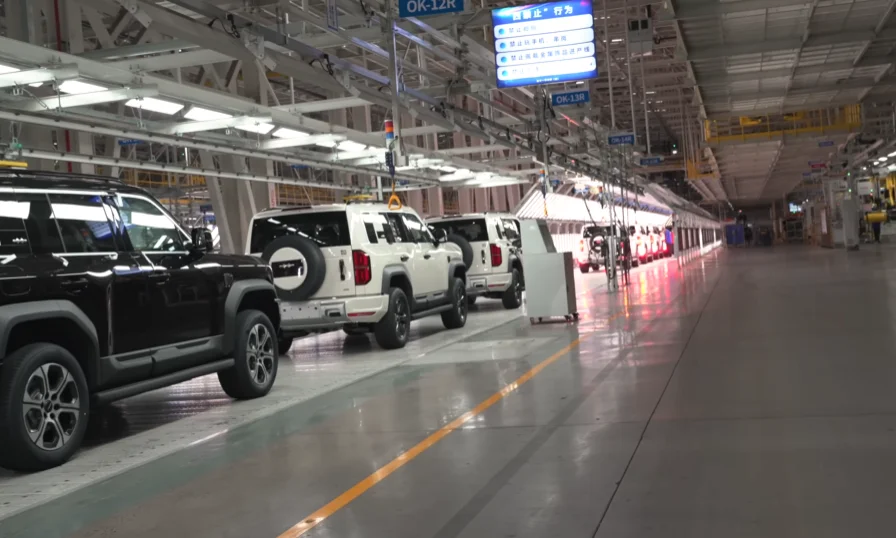
“In reality, I think [European customers] still vote with their wallets and the most obvious way for the European brands to deal with this is to reduce head count and make building cars cheaper in the long run.”
The US has largely been exempt from this discourse, on account of the country’s stringent tariffs and trade barriers.
But more and more people are of the opinion that this won’t last much longer.
One such person is Jim Farley, the CEO of Ford.
Jim Farley has predicted when he thinks Chinese EVs will be available on the American market
At a town hall meeting, Farley was candid with his employees about the possibility of Chinese automakers entering the US market.
He estimated they would arrive within the next five to 10 years.
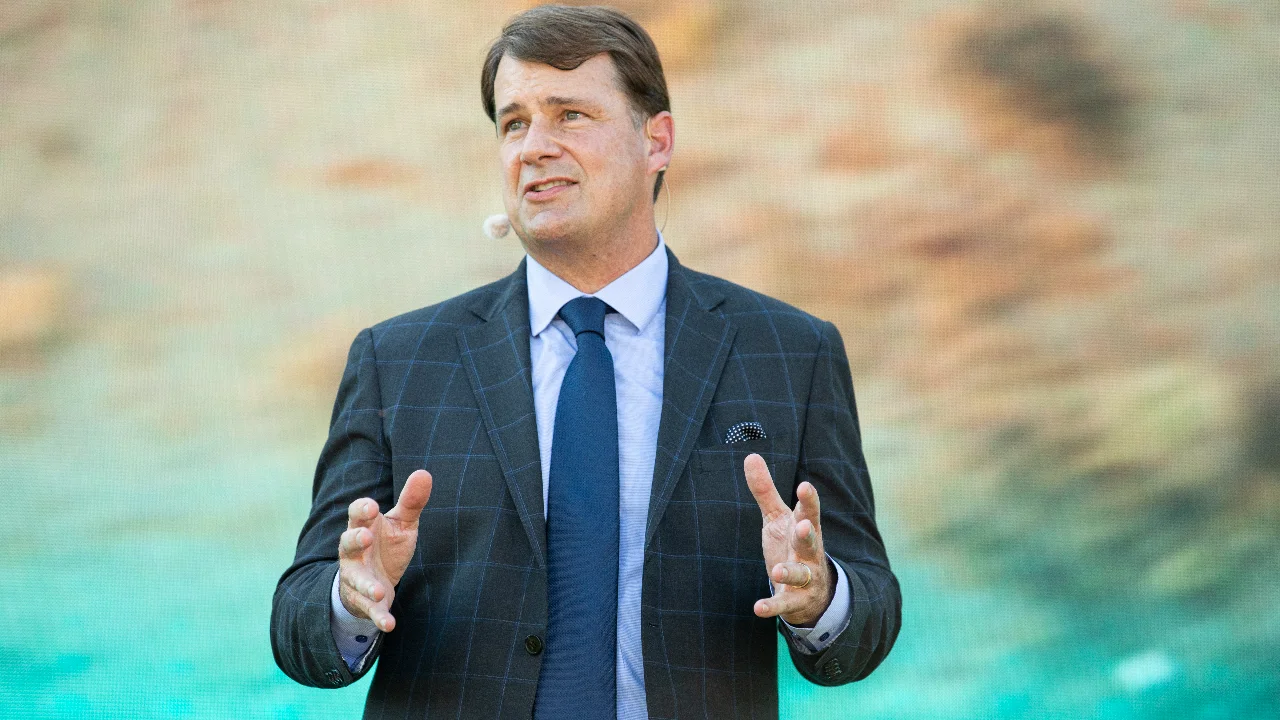
Farley told his workers that the company was preparing for this scenario.
And he’s not the only senior figure in Ford to speak out on this matter.
In early July, Bill Ford, the company’s Executive Chair remarked: “We have to go toe-to-toe with China…we can’t expect to keep them out forever.”
This comes as the US Senate pushed to expand its ban on Chinese market access.
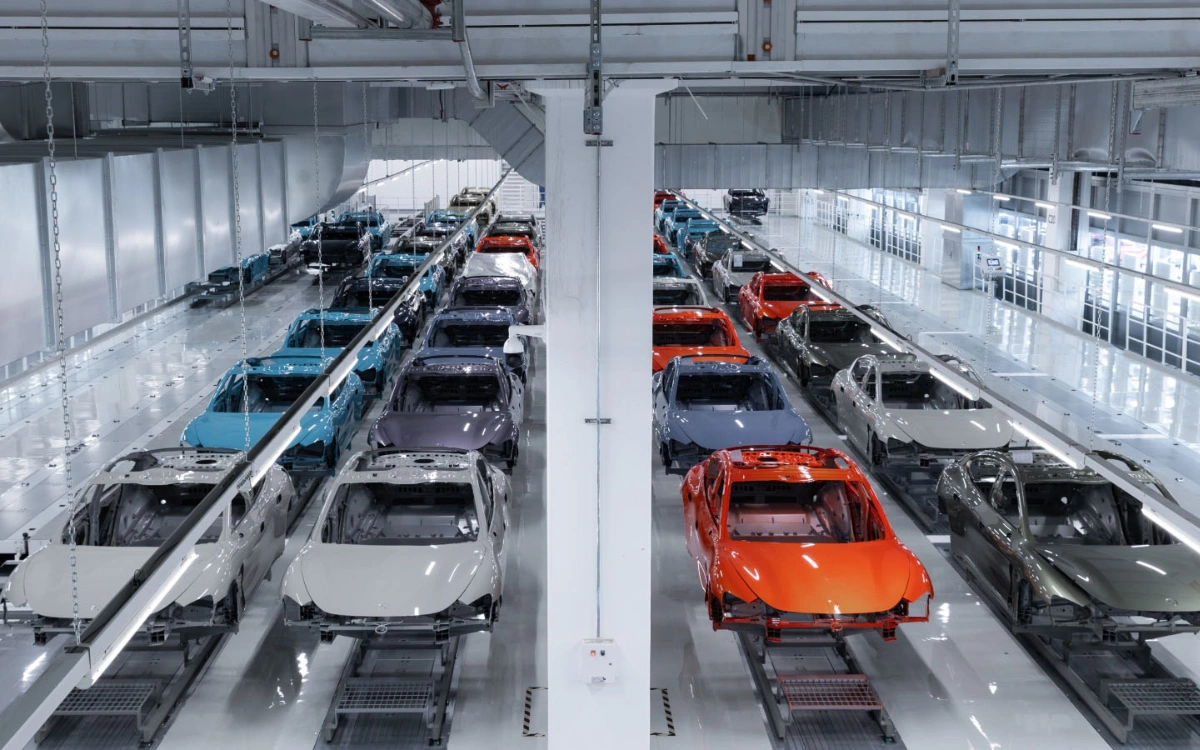
As it stands, tariffs of 100 percent already block Chinese EVs from sale.
And that’s not forgetting rules which will ban Chinese connected vehicle-software by 2027 and hardware by 2030.
He’s not the only figure in the car industry that has been talking openly about Chinese cars
Earlier this year, the CEO of General Motors, Mary Barra, spoke frankly about the subject.
Following Canada’s decision to allow Chinese-built electric vehicles into the country at a reduced tariff rate, she branded the decision a ‘slippery slope’.
“I can’t explain why the decision was made in Canada,” she said.
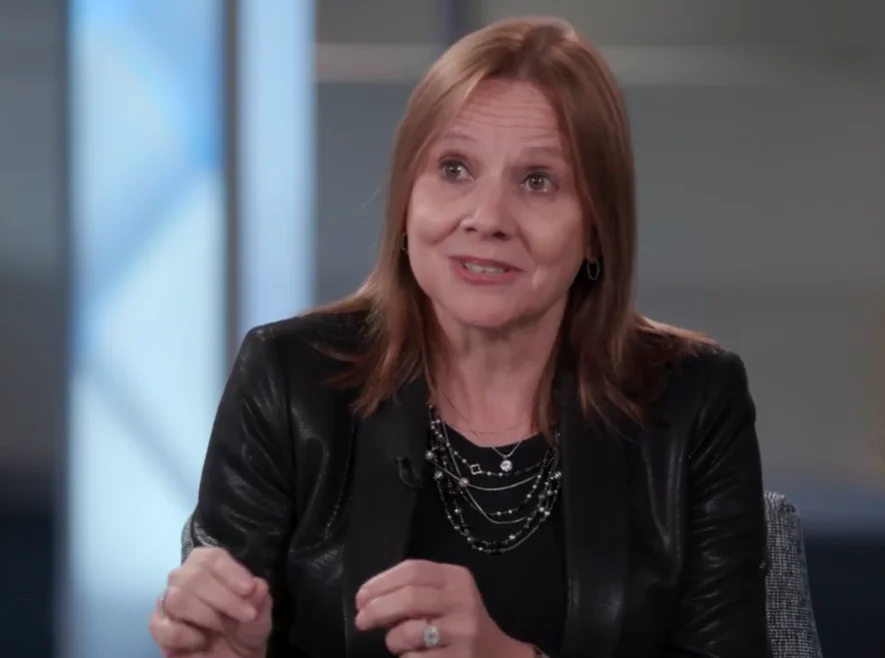
“It becomes a very slippery slope.”
When we raised the topic of Chinese electric cars with John Higham, he gave a forthright answer.
“Blocking Chinese EVs may buy time for U.S. automakers, but time only helps if you use it to scale, innovate, and compete,” he told Supercar Blondie.
“Right now, the bigger risk isn’t foreign competition, it’s uncertainty at home.”


