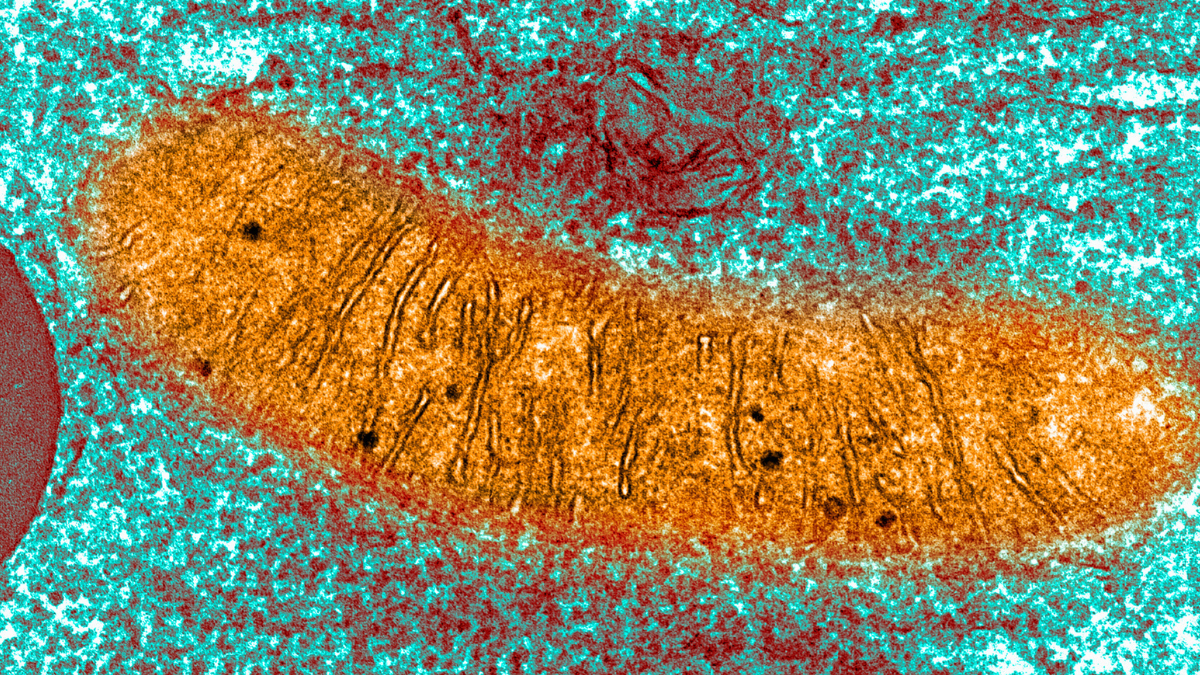
Эрдэмтэд Альцгеймерийн өвчний үед тархинд митохондрийн товруу хуримтлагддагийг тогтоосон нь энэ эмгэгийг эмчлэх шинэ боломжийг нээж байна.
Дэлхий даяар ойролцоогоор 57 сая хүнд тохиолдож буй Альцгеймерийн өвчин нь тархины эсүүд үхжиж, танин мэдэхүйн бэрхшээл үүсгэдэг мэдрэлийн дегенератив эмгэг юм. Уг өвчин нь бета-амилоид пептид болон буруу загварчлагдсан тау уураг хуримтлагдсанаар илэрдэг байсан бол Nature Neuroscience сэтгүүлд нийтлэгдсэн шинэ судалгаагаар митохондрийн товруу (MPs) хуримтлагддаг болохыг тогтоожээ. Митохондрийн үйл ажиллагааны алдагдал болон тархины эвдэрсэн митохондрийг дахин боловсруулах чадваргүй болсноос үүдэн уг товруу үүсдэг байна.
Minnesota их сургуулийн биохимич Paul Robbins болон судлаачид генетикийн өөрчлөлттэй хулгана болон нас барсан хүний тархины эдэд судалгаа хийх явцдаа энэхүү эмгэг үндсийг илрүүлжээ. Судлаачид Keima гэх орчны хүчлээр өнгөө өөрчилдөг флюресцент уураг ашиглан хулганы тархи дахь митохондрийн үйл явцыг шууд хэмжсэн байна. Үүний үр дүнд митохондрийн товруу нь дангаараа эсвэл бета-амилоид хуримтлагдсаны хажуугаар үүсч болох бөгөөд өвчин даамжрах тусам тархинд илүү ихээр тархаж байгааг олж тогтоогоогүй эрүүл хяналтын бүлгийн тархинд ийм товруу илрээгүй ажээ.
Энэхүү товруу нь тархины эсүүдээс гадна мэдрэлийн эсийн аксон болон дендрит хэсэгт голчлон хуримтлагддаг болохыг судалгааны тэргүүлэх зохиогч, эсийн биологич Xiuli Dan онцолжээ. Мэдрэлийн эсийн холбоосыг гэмтээдэг эдгээр товрууг цэвэрлэх үүрэгтэй лизосом буюу эсийн хог хаягдлыг зайлуулах эрхтэн нь товрууны хуримтлалыг гүйцэд боловсруулж чадахгүйд хүрч улмаар митохондрийн хэт их хуримтлалыг үүсгэдэг байна.
Өмнөх зарим эмчилгээнүүд зөвхөн амилоид товрууг арилгахад чиглэж байсан ч мэдрэлийн үргэлжилсэн дегенератив өөрчлөлтөөс бүрэн хамгаалж чадахгүй байсан юм. Тиймээс цаашид Альцгеймерийн өвчнийг эмчлэх болон урьдчилан сэргийлэх шинэ арга хэмжээг боловсруулахад митохондрийн хуримтлал болон хог хаягдлыг цэвэрлэх үйл ажиллагааг сайжруулахад чиглүүлэх шаардлагатайг судлаачид тэмдэглэжээ.
Дэлгэрэнгүйг эх сурвалжаас харах
↓Эх сурвалжийг нээх ↓
Alzheimer’s disease is the most common form of dementia, which affects approximately 57 million people globally – a number that’s projected to rise to more than 150 million by 2050.
The incurable neurodegenerative disorder is characterized by the accumulation of beta-amyloid peptides and misfolded tau proteins in the brain, leading to the death of neurons and emerging cognitive difficulties.
Recently, attention has shifted toward another potential key component in Alzheimer’s pathology: dysfunction of mitochondria – the energy-generating organelles known as ‘powerhouses of the cells’.
In a new study published in Nature Neuroscience, a team of biochemists, geneticists, and gerontologists has pinpointed an entirely new pathological basis for the disease: an accumulation of mitochondrial plaques (MPs).
“This discovery identifies mitochondrial plaques as a previously unrecognized feature of Alzheimer’s disease,” says biochemist Paul Robbins from the University of Minnesota.
These MPs result from dysfunctional mitophagy, or the brain’s inability to recycle its failing mitochondria.
Detected in the brains of genetically engineered mice and postmortem human brains with Alzheimer’s, MPs are aggregations of neutral and acidic mitochondria at different stages of degradation, sometimes still trapped in the acid-imbued ‘cellular trash bags’ that transport or degrade them.
“Early ultrastructural investigations showed a prominent presence of degenerating mitochondria in the brain of patients with Alzheimer’s disease, and our recent research indicates impairment of mitophagy in Alzheimer’s models, a process that clears damaged mitochondria,” the researchers say.
Previous, indirect measurements in mice engineered with mutations to induce symptoms of Alzheimer’s disease offered only “limited insight” due to inadequate sensitivity.
So the researchers directly measured mitophagy in the brains of transgenic mice with a “mitophagy reporter,” called Keima, incorporated into their genomes.
Keima is a pH-sensitive fluorescent protein derived from coral, meaning it changes color based on the acidity of its environment. It glows green in the presence of neutral mitochondria and orange in the presence of acidic ones.
By measuring Keima, along with a suite of proteins crucial to mitochondrial function, the researchers found that MPs can manifest on their own or alongside amyloid-beta aggregations, one of Alzheimer’s other defining pathologies.

These two aggregations become more spatially mixed as Alzheimer’s progresses because the MPs harbor abundant amounts of the amyloid precursor protein (APP), from which amyloid-beta peptides originate.
In the mouse model, MP aggregation emerged as early as 15 weeks, equivalent to early human adulthood. MP concentrations progressed with age, resulting in abundant acidic mitochondria accumulation by 50–60 weeks, suggesting a significant decline in the brain’s recycling capabilities.
And here’s one important bit: the researchers did not find these MPs in the brains of age-matched healthy controls, whether mouse or human.
Furthermore, to determine where the MPs were likelier to manifest, the researchers stained the transgenic mice’s brains with a neuronal nuclear protein.
“Unlike the amyloid plaques found outside brain cells, these plaques appear to directly affect neurons, which makes them a potential new target for Alzheimer’s disease treatments,” says University of Minnesota cell biologist Xiuli Dan, first authorof the study.
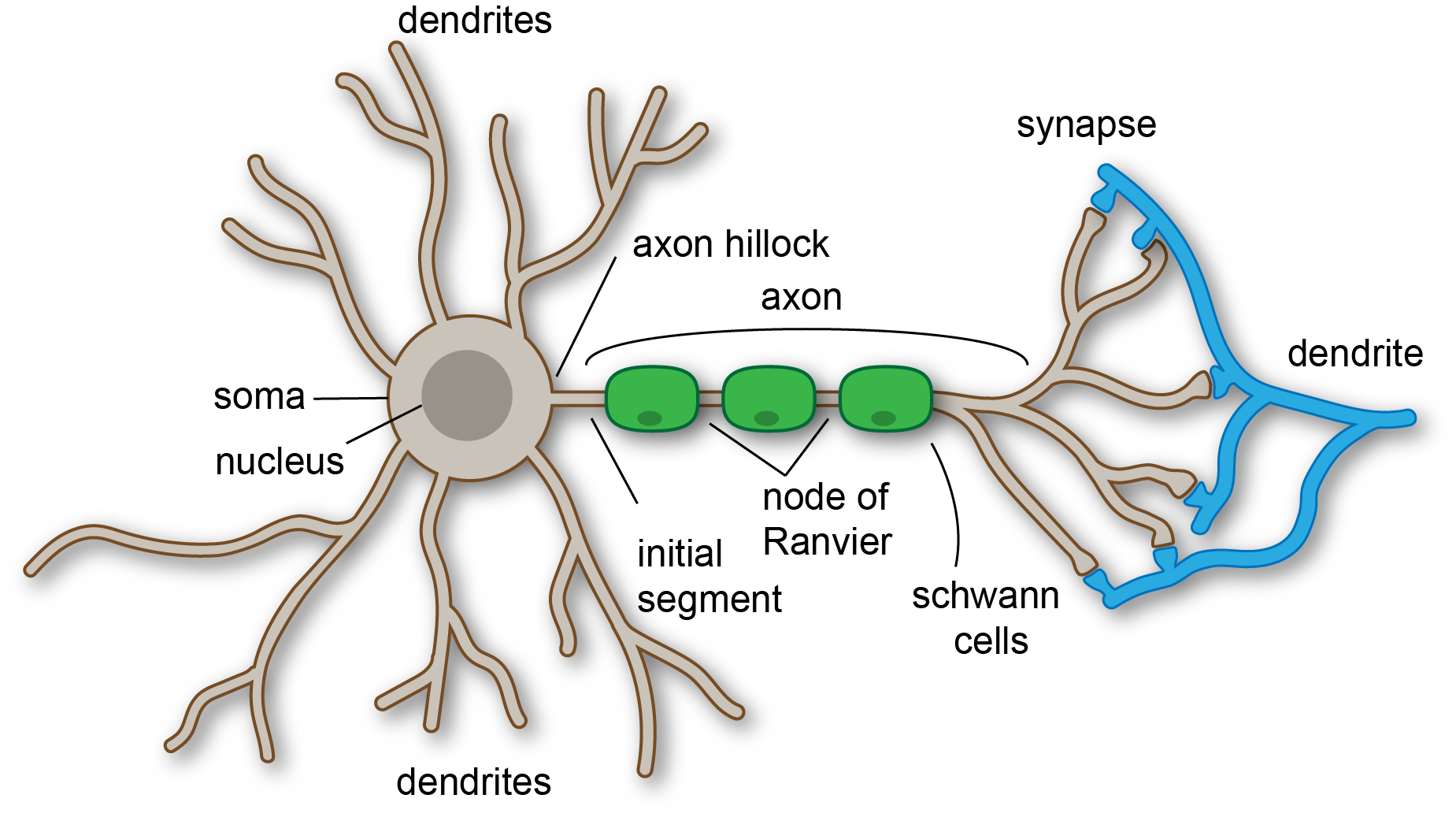
Dan and colleagues found that MPs in neurons were less likely to be associated with the cell bodies. Instead, they accumulated within, and perhaps originated from, neuronal neurites, or the axons and dendrites that extend from the body of neurons.
These essential extensions are responsible for sending and receiving the chemical and electrical signals that control basically all brain functions.
Such MP accumulation appears to recruit lysosomes, the cellular garbage disposal organelles, which degrade junky old cells using digestive enzymes.
However, this vital degradation process cannot keep up with MP accumulation and seems to lead to lysosome dysfunction, or an inability to break down deteriorated mitochondria, resulting in runaway mitochondrial accumulation in the brain.

Altogether, this work suggests that Alzheimer’s treatments may need to target numerous sources of toxicity in the brain.
As the researchers note, patients with Alzheimer’s who were immunized to amyloid-beta “revealed successful amyloid plaque clearance yet insufficient protection against ongoing neurodegeneration” – perhaps because MPs affect the parts of neurons that transmit signals.
“By understanding how these plaques form and contribute to disease progression, we may be able to develop new strategies to slow or even prevent Alzheimer’s disease,” says Robbins.
In addition to a potential new diagnostic feature in MPs, this research hints that future therapies should target mitochondrial accumulation, possibly by finding ways to boost the function of the vacuoles and lysosomes responsible for beneficial degradation.
Maybe this could be achieved by inducing an increase in mitophagy processes before they become dysfunctional.
Related: Scientists Found a New Alzheimer’s Trigger, And a Drug to Slow It in Mice
In earlier work, inducing mitophagy in ‘Alzheimer’s’ mice has been shown to yield cognitive benefits, supporting its role in healthy brain aging and sidestepping neurodegenerative pathologies.
As the researchers conclude, “combination treatments targeting both amyloid-beta plaques and mitochondrial plaques to address the mixed plaques hold great promise to provide better therapeutic outcomes in Alzheimer’s disease.”
This research was published in Nature Neuroscience.
This article was fact-checked by Rebecca Dyer and edited by Rebecca Dyer. While we pride ourselves on our process, we are only human. If you spot a mistake, please let us know.

