
Уламжлалт өв соёлоо сэргээх зорилгоор Номхон далай дахь арлын улс үндэсний хэллэг дэх нэр рүүгээ албан ёсоор шилжив.
Номхон далай дахь жижиг арлын улс болох Науру нь үндэсний хэллэг дэх дуудлага, бичиглэлдээ нийцүүлэн улсынхаа нэрийг Наоеро болгон өөрчилсөн тухай Ерөнхийлөгч нь мэдэгдэв. НҮБ-ын цахим хуудсанд энэхүү шинэ нэрийг албан ёсоор бүртгэж, АНУ, БНХАУ, Австрали, Шинэ Зеланд зэрэг улсуудын гадаад хэргийн яамд болон ЭСЯ-д уг нэршлийг хэрэглэж эхэлжээ. Тус улсын олон улсын код NRU гэсэн тэмдэглэгээг NRO болгон өөрчилж, иргэдийг нь “деи-Наоеро” хэмээн нэрлэхээр болжээ.
Энэхүү шийдвэр нь улс төрөөс илүүтэй үндэсний өв соёл, өвөг дээдсийнхээ үлдээсэн өвийг хадгалах, ирээдүй хойч үеийнхээ ирээдүйг бэхжүүлэх зорилготой болохыг Ерөнхийлөгч Дэвид Адеаг онцолжээ. Хууль тогтоогчид үндсэн хуульд оруулах уг нэмэлт өөрчлөлтийг холбогдох санал хураалтаар баталсан бөгөөд олон нийтийн санал асуулга явуулах шаардлагагүй гэж үзсэн байна. Тус улс нь дэлхийн хамгийн жижиг орнуудын тоонд багтдаг бөгөөд 1968 онд тусгаар тогтнолоо олж авснаасаа хойш түүхэн янз бүрийн нөхцөл байдлыг туулсан юм.
Уур амьсгалын өөрчлөлтөөс үүдэлтэй далайн усны түвшин нэмэгдэж буй эрсдэлтэй тулгараад буй тус улс дэд бүтцээ нүүлгэн шилжүүлэх санхүүжилтийг бүрдүүлэх зорилгоор гадаадын хөрөнгө оруулалтыг татахаар ажиллаж байна. Нэрээ өөрчилснөөр үндэсний хэмжээний агаарын тээвэр болон усан онгоцнуудын нэрийг шинэчлэх юм. Ийнхүү нэрээ өөрчилсөн нь Эсватини болон Түрк улсууд өмнө нь олон улсад хэрэглэгдэж байсан нэрээ үндэсний хэллэг рүүгээ шилжүүлсэн жишигтэй нийцэж байна.
Дэлгэрэнгүйг эх сурвалжаас харах
↓Эх сурвалжийг нээх ↓
The world’s third smallest country is changing, and not just its name.
The Pacific Island country of Nauru, now officially Republic of Naoero, has gone through a tough history and is one of the world’s most at risk from rising seas due to climate change, but it is now is celebrating its heritage with a name tougher for tourists to pronounce.
The country’s president announced the name change that matches the spelling and pronunciation in the national language.
The website of the United Nations records the country by its new name, noting the government had requested it be changed in June. Australia and New Zealand’s foreign ministries as well as the U.S. and Chinese embassies in the region also designate the country as Naoero on their websites.
cookie.trim() === ‘__DEBUG__=true’)) { console.log(‘Ad logs: “mpu1”, injectedAtParagraph: 3’); }]]>
The country’s international code will change from NRU to NRO and its people will be known as dei-Naoero instead of Nauruan. Commonly known abroad by the pronunciation of Now-roo, the new name is spoken as Now-ero.
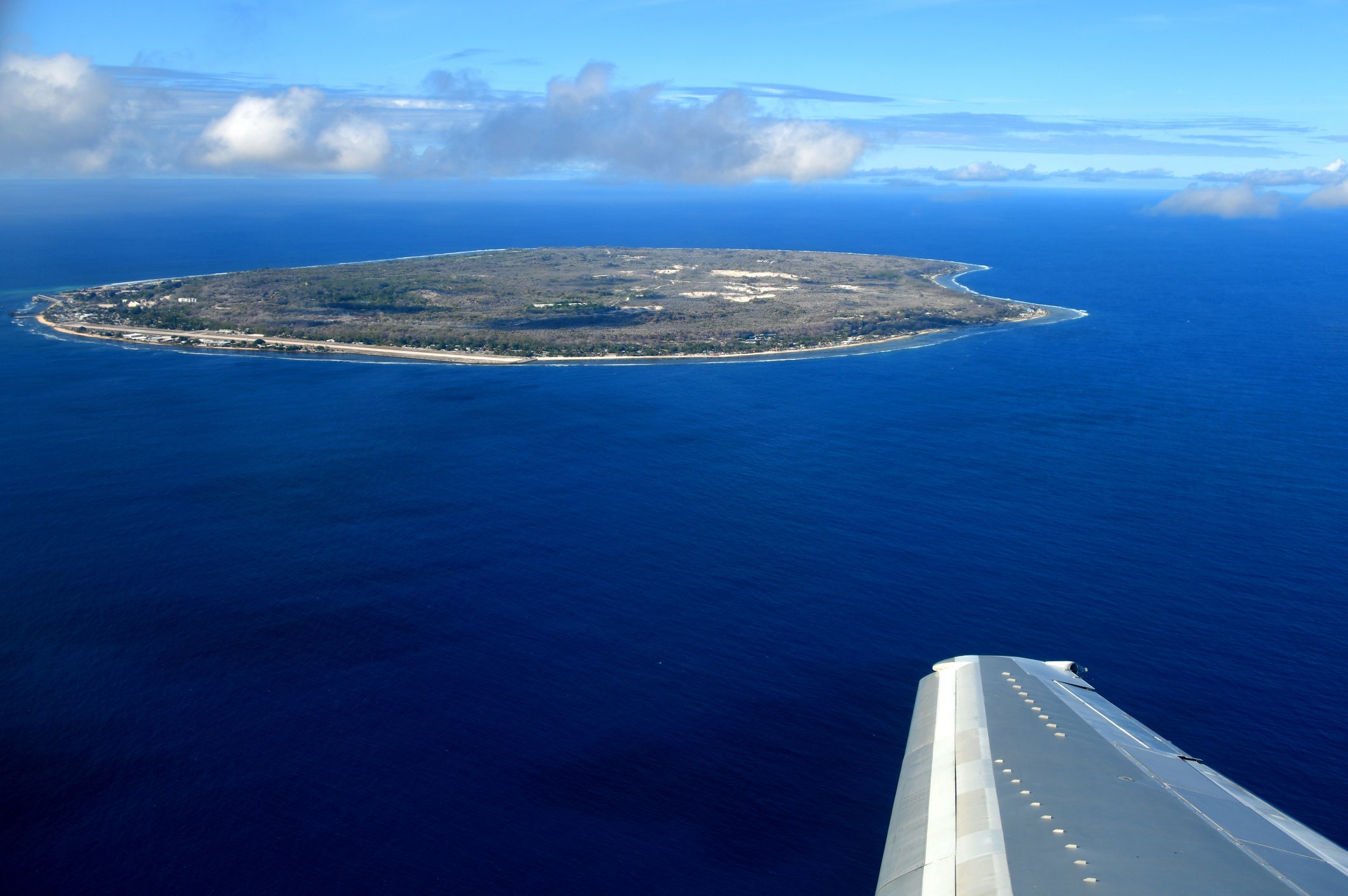
The move would return the remote South Pacific island nation to its traditional name, a statement posted Thursday to the government’s Facebook account said. The country became known internationally as Nauru only because its local name was difficult for foreigners to pronounce and was a matter of convenience rather than one of choice, according to an earlier government statement.
President Adeang said the moment was not about politics, but about identity, heritage, and “preserving the legacy of our ancestors and strengthening the future of our children”.
cookie.trim() === ‘__DEBUG__=true’)) { console.log(‘Ad logs: “taboola-carousel-thumbnails”, injectedAtParagraph: 6’); }]]>
The suggested constitutional amendment has been endorsed by lawmakers in the requisite two rounds of voting, though it wasn’t immediately clear if the document had been formally amended.
What to know about Naoero
With 12,000 residents, Nauru is the world’s third-smallest country by population size, after Tuvalu and Vatican City. Palau, in the the western Pacific Ocean, is the fourth smallest.
cookie.trim() === ‘__DEBUG__=true’)) { console.log(‘Ad logs: “mpu2”, injectedAtParagraph: 8’); }]]>
The tiny coral limestone atoll was colonized by Germany and later administered by Australia before becoming an independent republic in 1968.
It has faced tumultuous circumstances, with phosphate mining creating huge wealth on the island in the 1970s before the industry collapsed, bringing Nauru to the brink of economic ruin in the 1990s.
cookie.trim() === ‘__DEBUG__=true’)) { console.log(‘Ad logs: “mpu3”, injectedAtParagraph: 10’); }]]>
Now, the country is one of the world’s most at risk from rising seas due to climate change, prompting the government to seek overseas investment through a paid citizenship program intended to fund the movement of people and infrastructure away from the encroaching ocean.
The name change indicated “the beginning of renewed national pride,” Adeang said in his latest announcement. When his government last voted for the move in May, the president announced a referendum to confirm it.
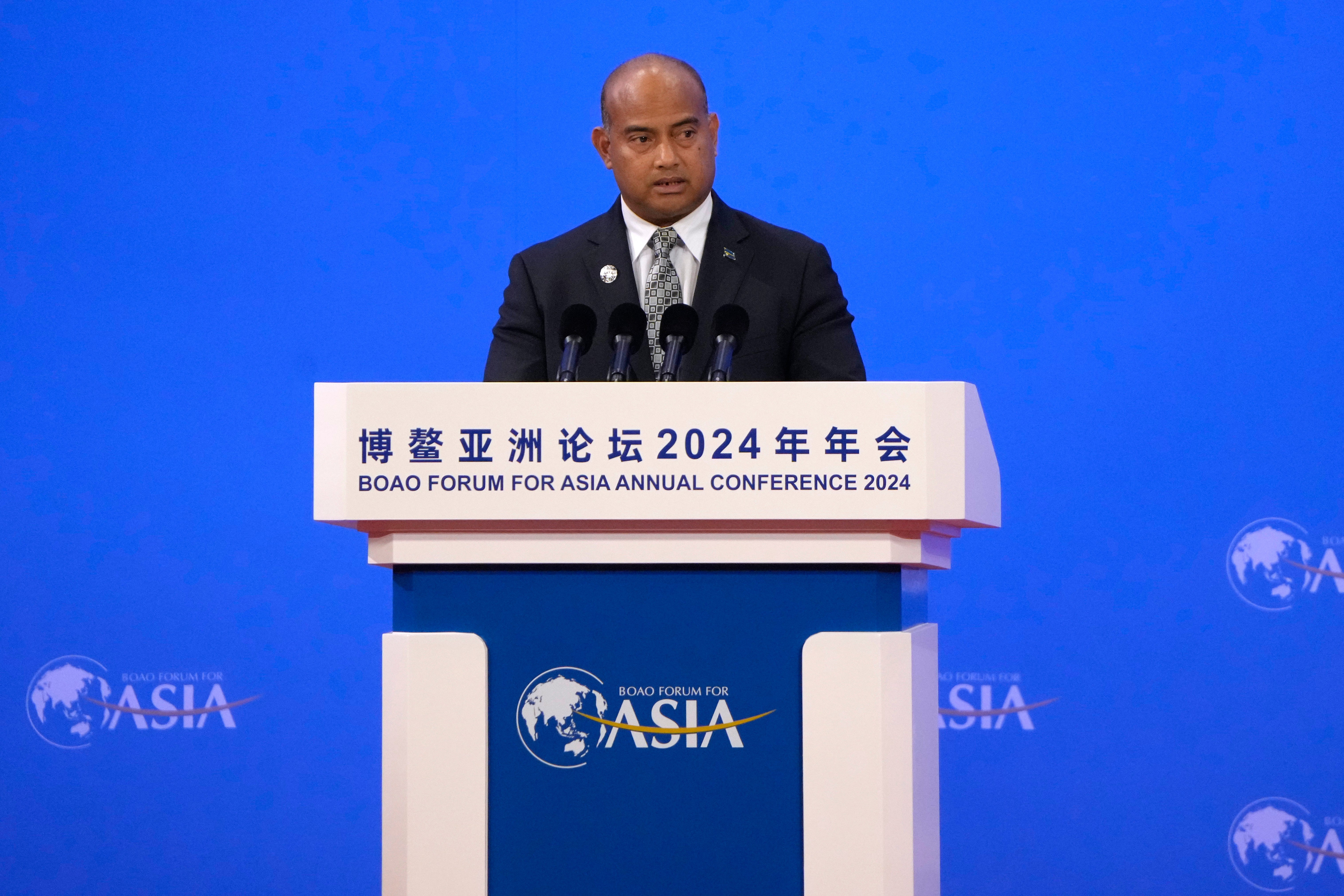
The government said in last week’s statement that after “extensive discussions,” lawmakers had decided a public vote wasn’t needed.
“While a referendum is intended to determine the will of the people, the name Naoero has never been lost, but rather waiting to be fully embraced,” the statement said.
The designation “is already the identity of the people, is on the national coat of arms, and spoken in the community; and importantly is allowed by the Constitution,” it added.
The move makes the country the latest to signal a shift away from a colonial past by changing its name. The tiny African kingdom of Eswatini reverted its name from Swaziland in 2018. Other countries have sought the switch as a sort of rebrand, as Turkey did when Ankara asked the United Nations in 2022 to begin calling the country Türkiye, which the nation had long gone by at home.
Nauru’s decision will prompt the renaming of its national aircraft and ships. The government was already seeking to have other countries and international institutions recognize the shift, its statement said.


