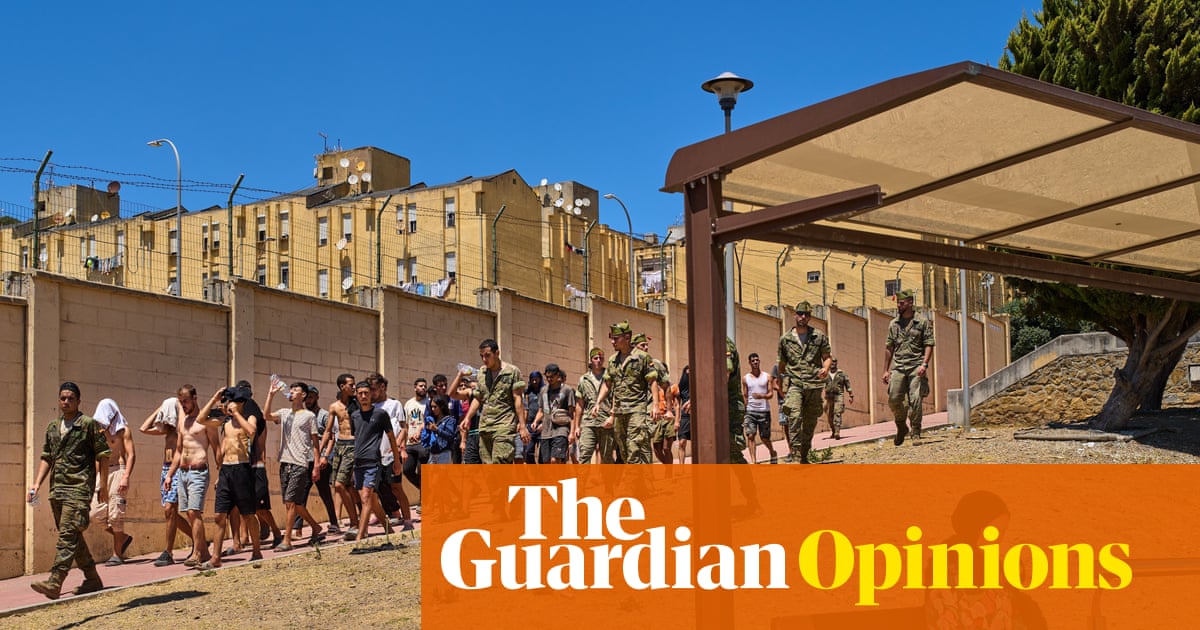
Энэхүү хүмүүнлэгийн эмгэнэлт явдал нь Европын Холбооны цагаачлалын бодлого болон баруун жигүүрийн улс төрчдийн байр суурьтай холбоотой маргааныг дахин дэгдээлээ.
Өнгөрсөн долоо хоногийн сүүлээр Мароккогийн уснаас Испанийн Сеута анклав руу сэлж орохыг оролдсон олон мянган хүний дийлэнх нь далайн усанд живж болон шахцалдаж амиа алдсан хэрэг гарсан байна. Энэхүү эмгэнэлт явдлын хүрээнд АНУ-ын улс төрч Дональд Трамп үүнийг “халдлага” хэмээн буруутгаж, Европын улс төрчид уг хямралыг өөрсдийн улс төрийн зорилгод ашиглаж байгаа нь цагаачлалын мэтгэлцээнийг улам гуйвуулж байгааг харууллаа.
Энэхүү цочирмог үйл явдлын цаад шалтгааныг тодруулахаар холбогдох талууд ажиллаж байгаа бөгөөд Испанийн Дээд шүүхээс далайгаар ирсэн цагаачдыг хураангуй байдлаар буцааж болохгүй гэсэн шийдвэр гаргасны дараа сошиал медиагаар тархсан ташаа мэдээлэл гол нөлөө үзүүлсэн бололтой. Мароккогийн эрх баригчид энэхүү эмх замбараагүй байдлыг зогсоохын тулд дорвитой арга хэмжээ аваагүй бөгөөд уг газар нутгийн бүрэн эрхийн асуудлаар олон улсын анхаарлыг татаад байна. Ой хээрийн түймэртэй тэмцэх ажилд анхаарлаа хандуулж байсан Испанийн засгийн газар энэхүү нөхцөл байдалд огт бэлтгэлгүй байжээ.
Сеута руу нэвтэрсэн 60,000 орчим хүний дийлэнх нь 48 цагийн дотор сайн дураараа буцаж гарсан бөгөөд тэд эх орондоо ажилгүйдэл, цалин хөлс бага зэрэг амьдралын боломжгүй байдлаа илэрхийлсэн байна. Гэсэн хэдий ч Италийн Ерөнхий сайд Жоржиа Мелони Мадридтай байгуулсан Шенгений гэрээг түр түдгэлзүүлж, хатуу байр суурь баримталж буйгаа харуулахыг оролдсон бол Герман болон бусад Европын орнуудын удирдагчид Испанийн ерөнхий сайд Педро Санчесын бодлого Европын аюулгүй байдалд сөргөөр нөлөөлж байна гэж үзэж байгаагаа илэрхийлжээ.
Эдгээр улс төрийн мэдэгдэл болон хэт баруун жигүүрийн хүчнийхний үйлдлүүд нь Европын орнуудын хамтын ажиллагааг сулруулж, цагаачлалын сорилтуудыг шийдвэрлэхэд саад учруулж байна. Европын Холбооны хэмжээнд гадаад хилээр хууль бусаар нэвтрэх явдал энэ оны эхний хагаст өмнөх онтой харьцуулахад буурсан үзүүлэлттэй байгаа бөгөөд Европын удирдагчид Испани улсад дахин ийм трагеди давтагдахаас урьдчилан сэргийлэхэд дэмжлэг үзүүлж хамтран ажиллах шаардлагатай байна.
Дэлгэрэнгүйг эх сурвалжаас харах
↓Эх сурвалжийг нээх ↓
At least 72 people are believed to have died late last week, most of them drowned or crushed as they joined tens of thousands of others in attempting to swim fromMoroccan waters to the Spanish exclave ofCeuta. Yet the scale of that human tragedy has barelyregistered, as Donald Trump has decried an “invasion” while European politicians exploit the crisisto serve their own agendas. If further evidence were needed of the way that the radical right increasingly distorts the terms of the migration debatein the EU, the last few days have furnished it.
More needs to be understood about the drivers behind a shocking episode. Misinformation on social media – orchestrated or otherwise – appears to have played a big part, following a Spanish supreme court ruling that migrants arriving by sea could not be summarily turned back. Moroccan authorities seemingly did little to prevent the chaotic exodus, which echoed previous smaller incidents and focused international attention on a territory whose sovereignty Rabat contests. If there were online indications that such an incursion was a possibility, no alarm was sounded.
The Spanish government, distracted by the need to combat ongoing wildfires, was utterly unprepared. But the vast majority of the 60,000 or so who crossed into Ceuta returned voluntarily across the border within 48 hours, some having aired grievances to reporters atthe lack of work, decent wages and prospects available to them at home. The dangerous recklessness of their actions underlined the pressure-cooker levels of frustration beyond Europe’s external borders, particularly among the young.
Subsequently, the response of leaders such as Italy’s Giorgia Meloni has been predictable but deeply dispiriting. In a performative overreaction, Ms Meloni sought to demonstrate her hard line on irregular migration by temporarily suspending Rome’s Schengen agreement with Madrid, though Ceuta has never been included in Schengen, and Italy and Spain share no border. Along with Germany’s chancellor, Friedrich Merz, she was also among 22 signatories to a letter sent to the European Commission, suggesting that the liberal migration policies of the Spanish prime minister, Pedro Sánchez – which, again, have no application in Ceuta – are undermining Europe’s security.
Such posturing is largely intended for a domestic audience. Mr Merz, for example, faces a major challenge from the far-right Alternative für Deutschland (AfD) in three imminent state elections, while Ms Meloni is dealing with the emergence of a new party that threatens her own right flank. The zeal of such forces to weaponise the immigration issue was shown by the speed with which the AfD’s leader, Alice Weidel, claimed that the “likely destination” formost of those entering Ceuta was Germany.
Hyperbolic rhetoric and finger-pointing will only undermine solidarity between European nations, and hamper attempts to deal effectively with the challenges of migration. It is impossible to cross from Ceuta into mainland Spain and the Schengen zone without passing through a checkpoint. It is also worth noting that the number of irregular border crossings into Europe in fact declined by 40% in the first half of 2026 compared with last year, partly as a result of better-coordinated preventive strategies. Instead of rounding on MrSánchez, mainstream European leaders should be pledging their cooperation in helping Spain to minimise the possibility of such atragic incident ever happening again.


