
Италийн спорт машин үйлдвэрлэгч Pagani брэндийн нэг ширхэг автомашинд ашигладаг жижиг эд ангиуд нь зах зээл дэх бүхэл бүтэн машин шиг өндөр өртөгтэй болохыг CarWow сувгийн хөтлөгч Mat Watson Модена дахь үйлдвэрт зочилж танилцах үеэрээ ил болгожээ.
CarWow-ийн мэдээлснээр Pagani суперкар бүрийн угсралтад хөнгөн цагаан болон ган материал огт ашигладаггүй бөгөөд зөвхөн титан материалаар хийсэн 2,000 ширхэг боолтыг ашигладаг байна. Эдгээр боолт бүр дээр хүний үсний зузаанаас 200 дахин нарийн буюу хоёр микроны гүнтэйгээр брэндийн логог сийлсэн байдаг аж. Нэг ширхэг боолт нь ойролцоогоор 60 фунт стерлинг буюу 80 ам.долларын үнэтэй бөгөөд нэг машин дахь нийт боолтны өртөг 120,000 фунт стерлинг буюу 161,000 ам.долларт хүрдэг нь Porsche 911 Carrera загварын анхан шатны үнээс ч өндөр үзүүлэлт юм.
Үйлдвэрлэлийн нарийн ажиллагаа зөвхөн боолтоор хязгаарлагдахгүй бөгөөд дугуйн холхивч, түдгэлзүүлэлтийн гар болон Utopia загварын хурдны хайрцагны хөшүүрэг зэрэг эд анги бүрийг гар урлалын өндөр түвшинд урладаг байна. Хурдны хайрцагны хөшүүрэг нь өмнөх загваруудын чичиргээг багасгахаар шинэчлэгдсэн бөгөөд түлшний савны таг хүртэл хаагдахдаа өвөрмөц дуу гаргахаар нарийн төлөвлөгдсөн аж.
Pagani брэндийн загваруудын түүхэнд 1999 онд Женевийн авто шоунд анхны C12 загвар танилцуулагдсанаас эхлээд 2003 оны S Roadster, 2009 оны зөвхөн трек дээр зориулсан R загвар, 2012 оны 760RS болон 2026 онд Concorso d’Eleganza Villa d’Este арга хэмжээнд нээлтээ хийх Cervino загвар зэрэг олон тусгай хувилбарууд багтаж байна.
Дэлгэрэнгүйг эх сурвалжаас харах
↓Эх сурвалжийг нээх ↓
This is why Pagani supercar bolts cost more than a Porsche 911, a fact that sounds like it should be the stuff of fiction, but it really isn’t.
YouTuber and supercar lover Mat Watson from CarWow recently visited the Pagani factory in Modena, Italy, to check out how the legendary supercars are built.
What Watson perhaps didn’t expect was the incredible attention to detail on each of the supercars, which extends right down to the 2,000 titanium bolts used to build each one.
And yes, you did indeed read that right. These Pagani bolts do indeed cost more than an entire Porsche 911 sports car.
Why do Pagani bolts cost more than a Porsche 911?
“Pagani’s obsession with quality even extends to the bolts,” said Watson in the video, having detailed some of the parts on the supercars. None of the bolts on a Pagani are aluminum or steel.
All of them are made from titanium, which is lighter than those other two materials.
A closer look shows that they have the Pagani logo etched onto them, to a depth of two microns.
That is roughly 200 times thinner than a human hair. So to us, it looks like it is just on the surface. But there is actually some depth to how they are etched onto the bolts.
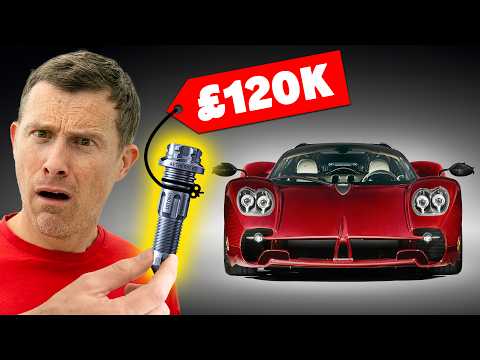
“Each of these bolts costs about £60, and there are about 2,000 on each car, so that is £120,000,” said Watons. Just let that sink in for a minute.
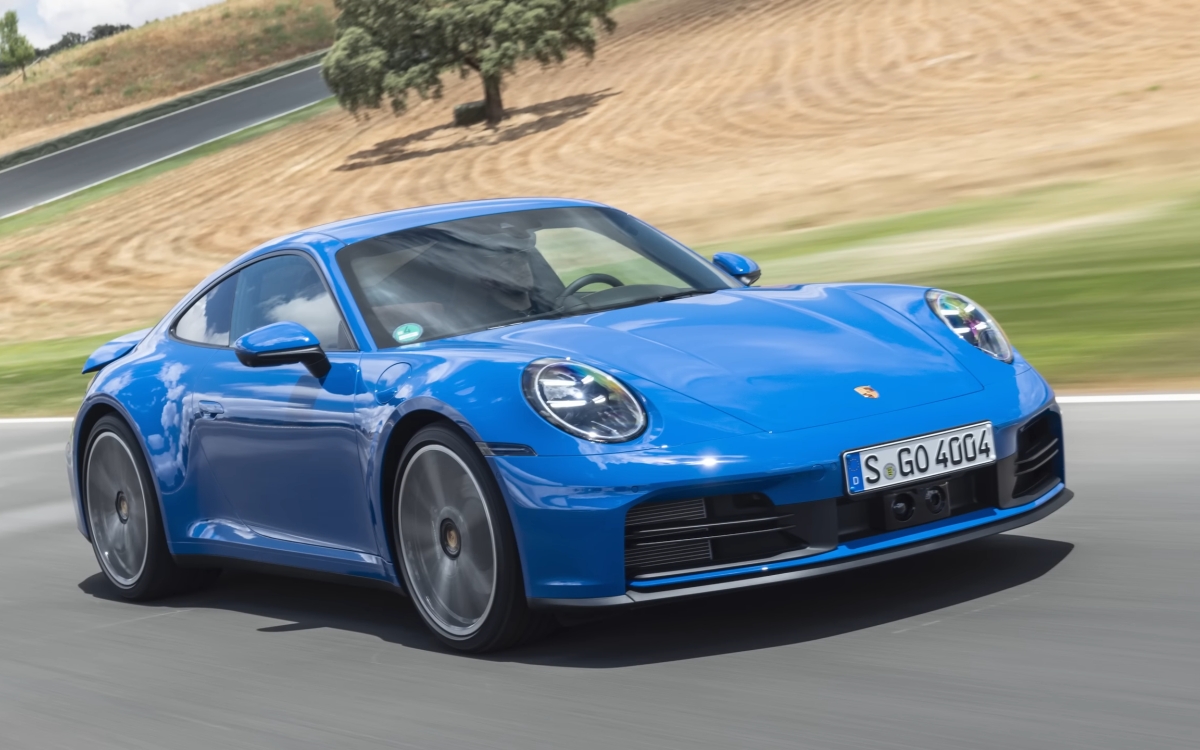
Each bolt then is roughly the equivalent of $80, and the full cost around $161,000. Meaning the bolts alone cost more than the price of an entry-level Porsche 911 Carrera.
That partially explains why Paganis are so expensive to make.
What about the other components on the supercar?
Earlier in the video, Watson walked through plenty of other components that make up the supercar.
These showed the obsession Pagani has with detail, and with making everything as perfect as possible.
The wheel bearings, for example. Watson showed us a standard bearing you’d find on any car. Then he showed us a Pagani one.
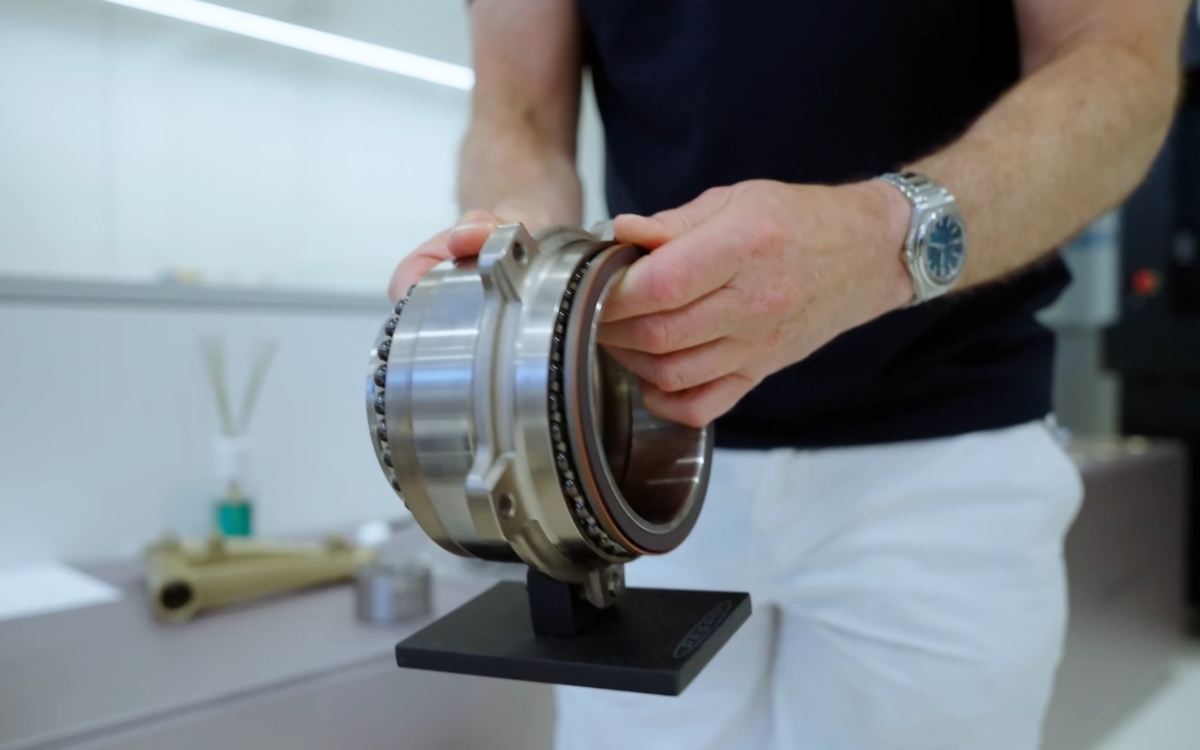
The attention to detail was exceptional, and the hub it sits in is like a work of art rather than just a standard car component.
That extended to the suspension arm, which looks like it was hand-crafted by an actual artist.
Then, Watson comes onto the gear level for the Italian supercars.
The gear lever highlights Pagani’s craftsmanship
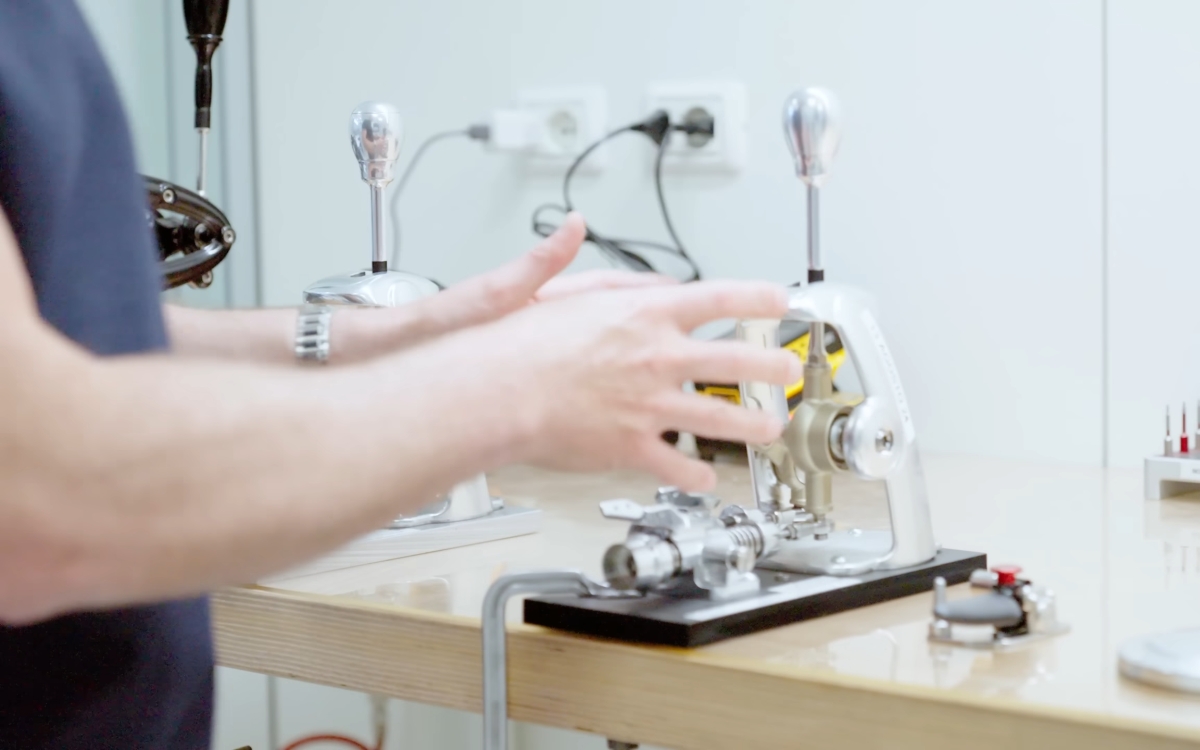
“Pagani produces artisan products, but on an industrial scale,” said Watson. And it is easy to see why this is true.
Basically, this means that they want every handmade component to feel the same.
Watson showed viewers a gear lever for a Utopia supercar, which has been reworked to improve on vibrations found in earlier versions.
“It acts as a stress reliever,” joked the presenter, as he cycles through the gears.
It is a beautiful piece of engineering. Even the gas filler cap has been crafted this way. There is an incredibly satisfying click as it shuts.
Your normal family saloon probably doesn’t make a noise like that when you close the gas cap.
So if you want a supercar crafted to perfection, then a Pagani is the one for you.
Timeline of the Pagani Zonda
1999:The original C12 debuts at the Geneva Motor Show. The C12-S follows shortly afterwards, boasting a 7.0-liter variant, compared to the 6.0-liter V12 of the C12.
2002:The S 7.3 is released.
2003:The S Roadster is launched, becoming the first open-top variant.
2005:The F and the Roadster F are brought forth, featuring a redesigned body.
2009:The R, a non-road-legal car, designed for the track. The Clinque and the Clinque Roadster also came out this year, originally commissioned by a Hong Kong dealer.
2010:The Tricolore is built to commemorate the 50th anniversary of the Frecce Tricolori.
2012:The 760RS is released, as the first official 760 Series car.
2017:The HP Barchetta is built to celebrate Horacio Pagani’s 60th birthday.
2017 – 2024:Various custom one-offs are produced, ranging from the Fantasma Evo to the Riviera.
2026:The Cervino is unveiled at the Concorso d’Eleganza Villa d’Este.


