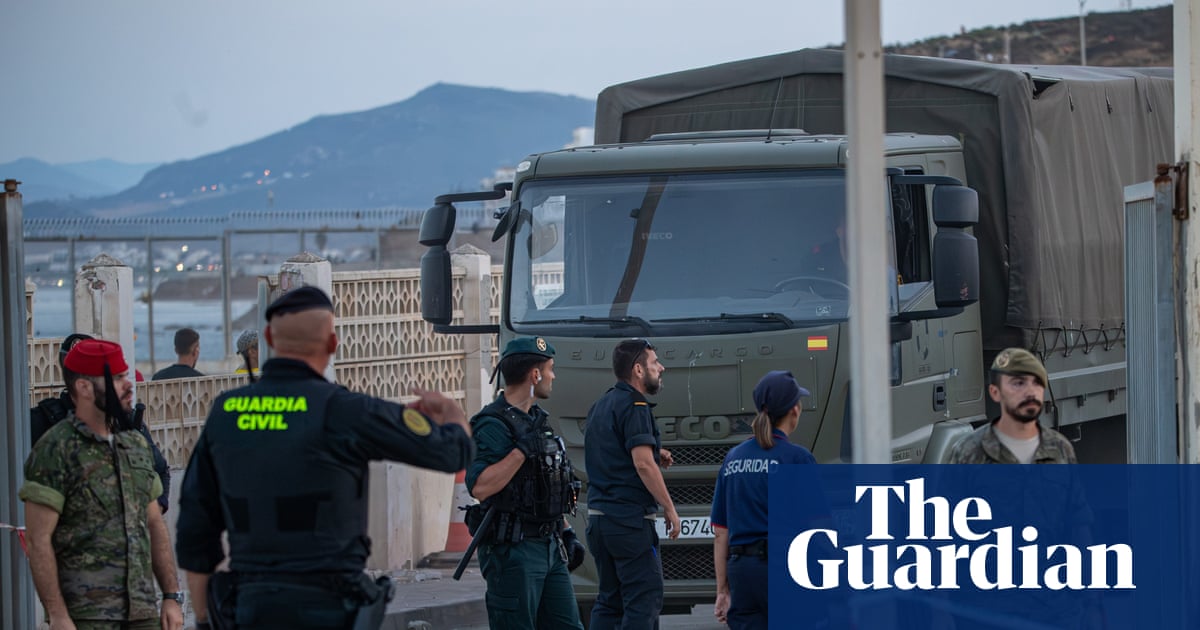
Испани улс Италиас ирж буй иргэдийн хувьд түр хугацааны хяналтыг нэвтрүүлж байгаа нь Европын холбооны гишүүн орнуудын хоорондын дипломат маргааныг улам хурцатгав.
Мароккогоос Испанийн Сеута хот руу олон арван мянган хүн нэвтэрсэн үйл явдлын дараа Итали улс Шенгений бүсийн визгүй зорчих журмыг нэг сарын хугацаатай түдгэлзүүлсэн юм. Үүний хариуд Испанийн Дотоод хэргийн яамнаас Италиас ирж буй зочдод хил дээр түр хугацааны шалгалт хийх шийдвэр гаргаснаа мэдэгдэв. Энэхүү хяналт бямба гарагийн шөнөөс эхлэн есдүгээр сарын 7-ныг хүртэл үргэлжлэх ажээ.
Испанийн Гадаад хэргийн сайд Хосе Мануэль Альбарес Италийн энэхүү алхмыг Европын нэгдлийг сулруулсан үйлдэл хэмээн шүүмжилж, яаралтай цуцлахыг шаардсан байна. Харин Италийн Ерөнхий сайд Жоржа Мелонигийн засгийн газар үндэсний аюулгүй байдал болон хил хяналтын асуудлаар гадны шахалтыг хүлээн авахгүй гэдгээ мэдэгдэж, наймдугаар сарын 15-ныг хүртэл шийдвэрээ эргэн харахгүй гэв.
Өнгөрсөн долдугаар сарын 30-31-ний өдрүүдэд Мароккогоос Испанийн хойд Африкийн нутаг дэвсгэр рүү олон арван мянган хүн дайран орсон нь хүний амь нас хохирсон ноцтой үйл явдал болсон юм. Испанийн албан ёсны мэдээгээр 72,000 хүн нэвтэрснээс 70,000 нь буцаж, 80 хүн амиа алджээ. Гэвч Мароккогийн хүний эрхийн байгууллагууд амиа алдагсдын тоог дор хаяж 141 гэж үзэж байгаа бөгөөд Сеутад үлдсэн хүмүүсийн амьдрах нөхцөл хүнд хэвээр байна.
Дэлгэрэнгүйг эх сурвалжаас харах
↓Эх сурвалжийг нээх ↓
Spain has announced it will introduce temporary border checks on visitors from Italy in response to Rome imposing similar measures after a mass rush of people from Morocco into Ceuta.
The checks, which come “amid the persistent irregular migration pressure” facing Italy, will start at midnight on Saturday and last until 7 September, Spain’s interior ministry said in a statement.
Hours earlier, Spain threatened Italy with countermeasures if it did not swiftly lift its own border checks, drawing a rebuff from Rome.
The rare spat between the EU and Nato allies came after tens of thousands of people crossed from Morocco to Spain’s north African territory on July 30-31 in an unprecedented, deadly rush.
The scenes infuriated EU members that back a hard line on irregular immigration, including Italy which imposed a one-month suspension of its visa-free travel Schengen deal with Spain.
The Spanish government criticised the measure Friday as “unfair, contrary to the EU’s interests and discriminatory for the Spanish population”.
Foreign minister José Manuel Albares described it as “a torpedo fired at the hull of European unity”.
“We urge the government of Italy to rectify, put an end to the checks and treat Spaniards like other European citizens,” he added.
He threatened “proportional measures” in response by Sunday if Italy failed to comply.
Within hours, the government of Italy’s far-right prime minister Giorgia Meloni said it “had no intention of revising the decision” before 15 August, when it said Spanish authorities “expected a new wave of migration” to hit Ceuta.
“Italy does not accept ultimatums or impositions from abroad regarding national security and border control,” Meloni’s office said in a statement.
“Only when there is certainty that there are no security or terrorism risks to Italy, that no new wave is occurring, and that no irregular migrants are heading toward European territory, will the decision be reconsidered.”
Spain’s interior ministry announced the reciprocal measures within hours.
Spanish police have been monitoring online rumours and social media about possible fresh arrivals in Ceuta in mid-August, according to local media. But authorities have not expressly said they expect a repeat of last week’s rush.
Border authorities would in the meantime “do their utmost to ensure maximum ease of movement for Spanish and European citizens” who are not affected by border checks, the Italian statement added.
Italy, which does not share a land border with Spain, introduced border controls at maritime and air entry points for third-country nationals arriving from Spain.
The move, announced on 31 July, was an “extraordinary measure” intended to “safeguard national security and prevent possible repercussions for our nation”, Meloni said at the time.
She was among several EU leaders who called for Spain to be suspended from the visa-free Schengen travel zone after the Ceuta incident, despite such a move being legally impossible.
Italy’s coalition government has sought to stop the tens of thousands of people who land in small boats on the country’s shores each year.
The Spanish government warned against “creating rifts and sterile conflicts driven by internal electoral motives” and said “we trust that pro-European sentiment, common sense and good faith prevail”.
Of the 72,000 people who entered Ceuta, 70,000 have returned to Morocco, according to official Spanish figures.
Spanish authorities said 80 people died in the crossings.
Moroccan rights groups, however, estimate the figure to be higher. The Moroccan Association for Human Rights and the European Coordination for Human Rights in Morocco on Friday said at least 141 deaths were recorded and that the toll was likely to rise.
Morocco’s interior ministry has said 11 people died on its side of the border, all but one by drowning.
Those who remain in Ceuta – including hundreds of unaccompanied children – face dire living conditions with little access to food, water and shelter.


