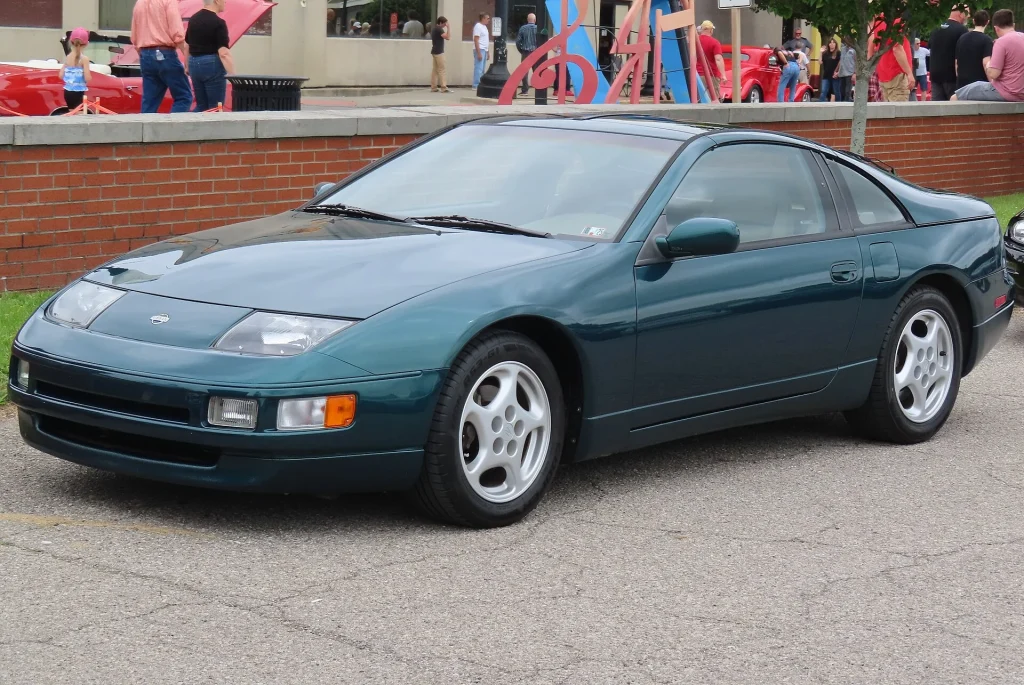
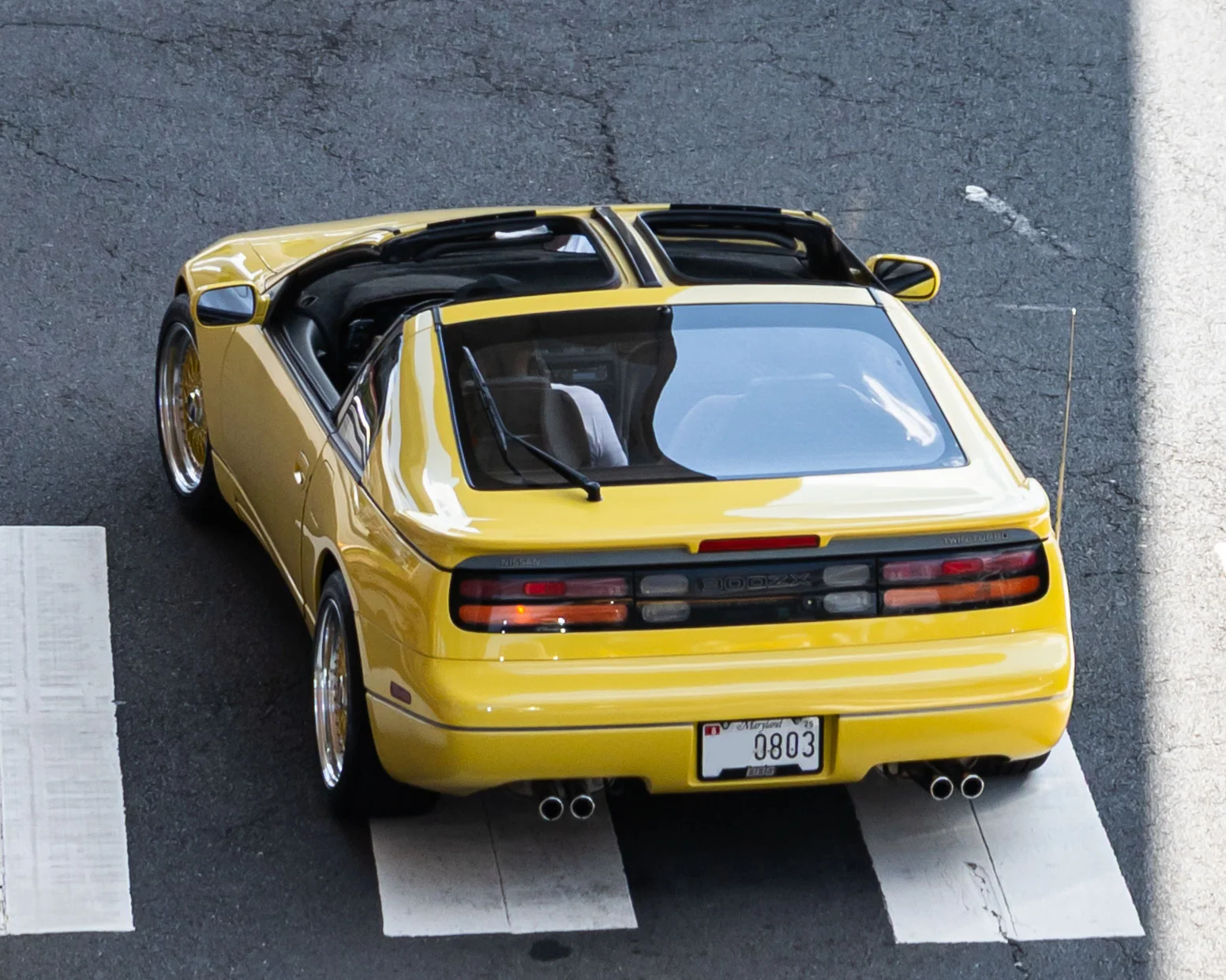
Nissan компани 1983 онд танилцуулсан Z31 загварын 300ZX автомашиндаа тухайн үедээ хувьсгалт шинжтэй, ирээдүйн технологийг санагдуулам дижитал хянах самбарыг суурилуулсан байна.
Энэхүү шинэлэг систем нь хурдыг дижитал хэлбэрээр харуулахаас гадна дундаж хурд тооцоолох, түлшний үлдэгдлээр явах боломжтой зайг урьдчилан тооцоолох зэрэг орчин үеийн аяллын компьютеруудын үндсэн үүргийг гүйцэтгэж байв. 300ZX-ийн 50 жилийн ойн тусгай загварт уг технологийг илүү өргөн хүрээнд ашигласан бөгөөд АНУ-ын зах зээлд 5,148, Канадад 300 ширхэг үйлдвэрлэжээ.
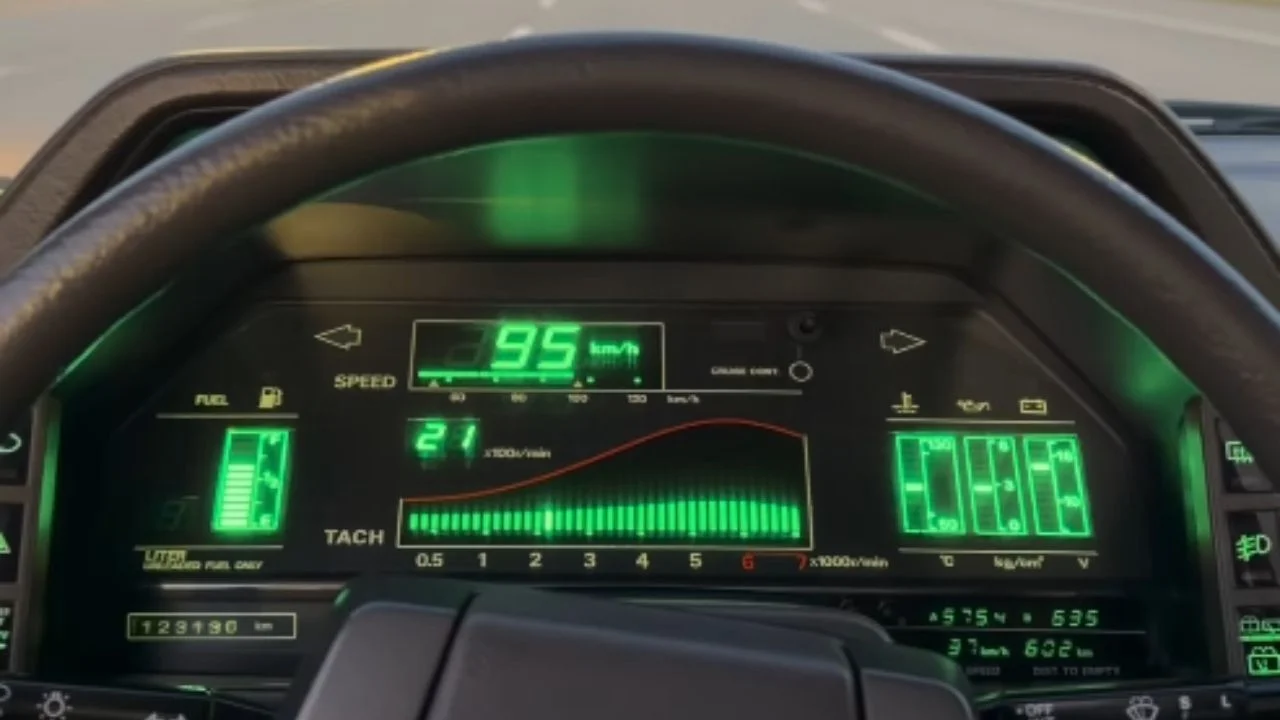
Олон арван жилийн туршид автомашины салбарт уламжлалт зүүтэй хэмжүүрүүд давамгайлж байсан ч сүүлийн жилүүдэд дижитал хянах самбар нь салбарын стандарт болон хөгжлөө. Audi-гийн Virtual Cockpit зэрэг орчин үеийн системүүд нь жолоочийн хэрэгцээнд нийцүүлэн навигаци, гүйцэтгэлийн мэдээлэл, жолоодлогын туслах системийн дүрслэлийг нэг дэлгэцэнд нэгтгэн харуулж байна.
Хэдийгээр 1980-аад оны Nissan-ы технологи нь өнөөгийн өндөр нягтаршилтай дэлгэцүүдтэй өрсөлдөх боломжгүй ч, автомашины хянах самбарыг цахим мэдээллийн төв болгон хувиргах анхны алхмыг амжилттай хийсэн юм. Өнөөдөр жолоочийн урд байрлах том хэмжээний дижитал дэлгэцүүд нь тухайн үед Nissan-ы тавьсан алсын хараа бодит биелэлээ олж буйн илрэл болж байна.
Дэлгэрэнгүйг эх сурвалжаас харах
↓Эх сурвалжийг нээх ↓
Nissan built a digital dashboard in the 1980s that looks surprisingly similar to what you would find in a modern sports car today.
The futuristic setup appeared in the Z31-generation 300ZX, which arrived in 1983 with technology that was seriously advanced for its time.
It could display speed digitally, calculate average speed and even estimate how far the car could travel before running out of fuel.
And decades before digital instrument clusters became a major selling point, Nissan was already turning the space behind the steering wheel into something resembling a computer screen.
What made the Nissan 300ZX digital dashboard so futuristic?
Even though it’s a car from the 1980’s, the digital dashboard of the Nissan 300ZX looks like something from the future.
The Z31 300ZX was introduced in 1983, and Nissan gave the car a selection of electronic features that made it feel dramatically different from the analog sports cars around it.
The 1984 owner’s manual described the speedometer as having both ‘digital and graphic displays,’ with the driver able to switch between mph and km/h, but that was only the beginning.
The dashboard could display an average speed, while the distance-to-empty function calculated how far the car could theoretically travel using the remaining fuel and recent fuel consumption.
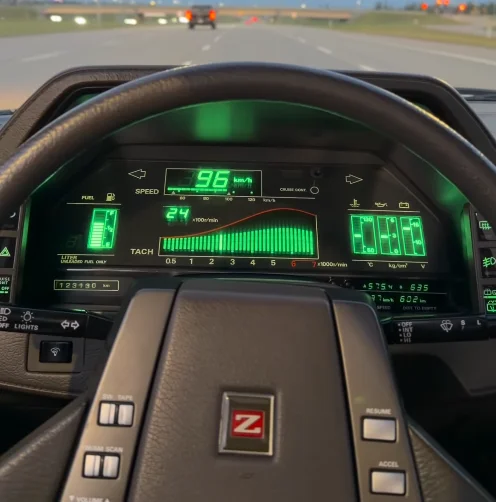
In other words, this 1980s Nissan was already doing the basic job of a modern trip computer.
The 300ZX 50th Anniversary Edition pushed the futuristic theme even further.
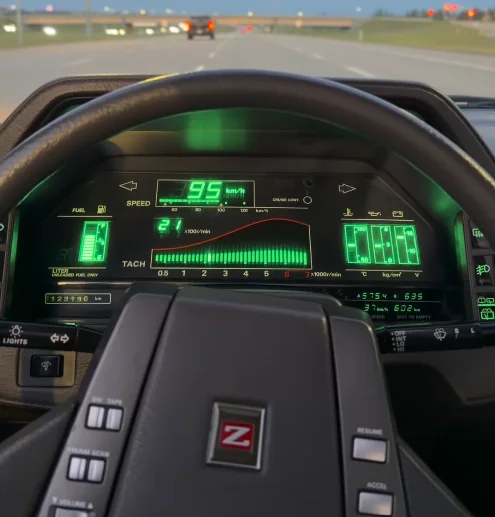
Nissan built just 5,148 examples for the US market and 300 for Canada, and the special edition came packed with equipment, including the digital instrument display.
The result was a dashboard that looked almost comically advanced when placed next to the traditional needles and gauges used in many cars of the era, and the green glow looked like it was made in the Matrix.
Modern dashboards finally caught up with Nissan
It took a surprisingly long time for this idea to become industry standard.
For decades, most cars continued to use physical needles and conventional gauges, even as electronics became increasingly important elsewhere in the vehicle.
Then digital instrument clusters started making a serious comeback.
Audi’s Virtual Cockpit is one of the best-known examples.
When it arrived, Audi described it as ‘the digital instrument cluster of the future,’ using a 12.3-inch high-resolution display capable of changing what appeared directly in front of the driver.
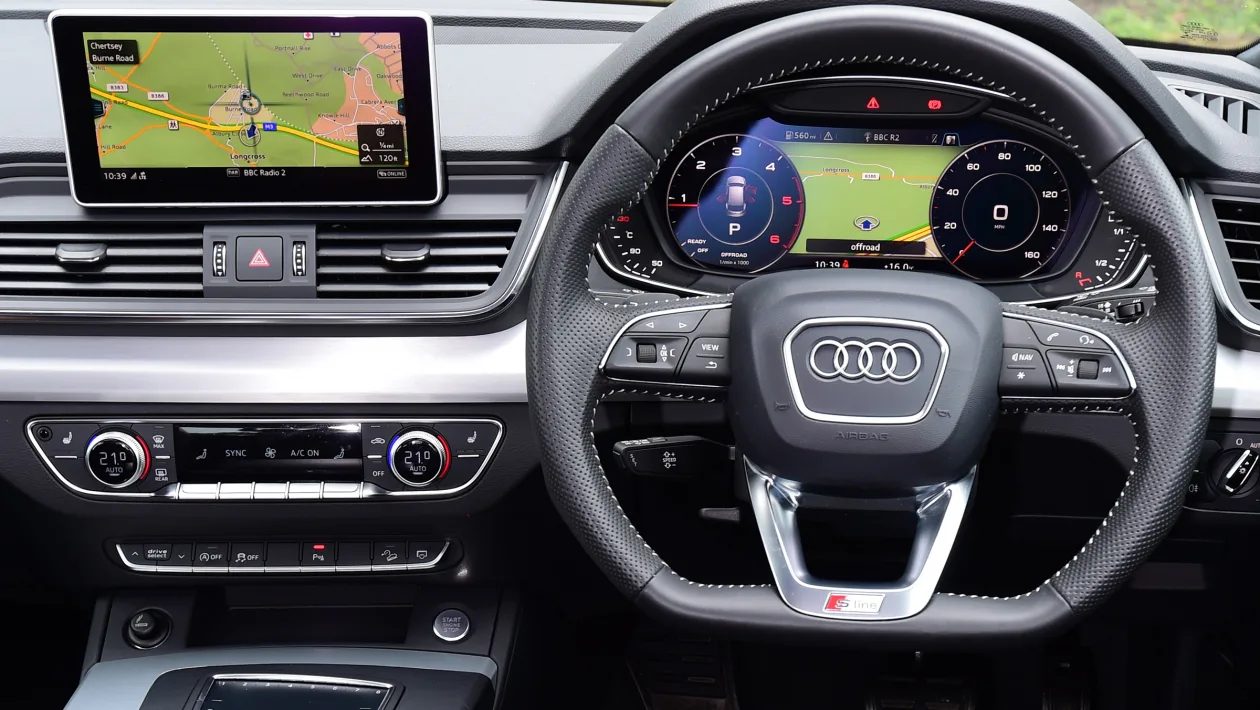
The concept was much more sophisticated than the 300ZX’s green graphics, but the basic idea was remarkably familiar.
Instead of having a fixed speedometer, tachometer and collection of warning lights, the entire instrument panel could become a screen showing different information depending on what the driver needed.
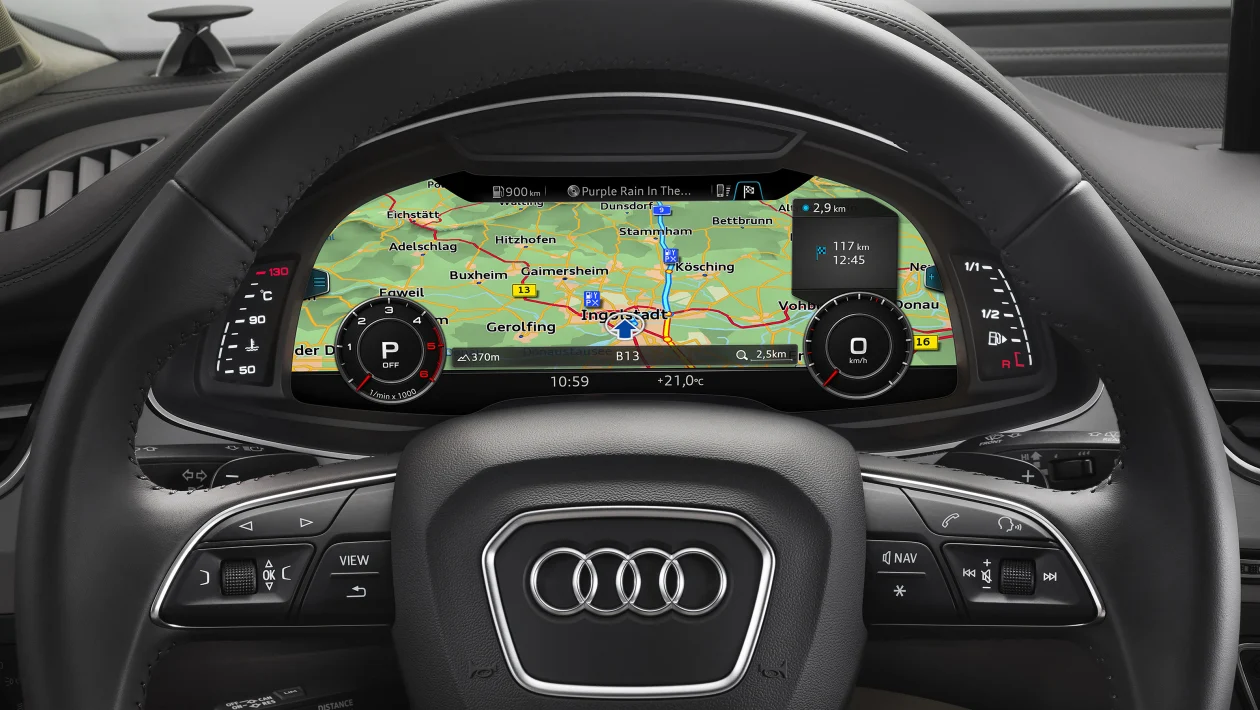
Modern versions can put navigation maps, driving information, assistance-system graphics and performance data directly behind the steering wheel.
The Nissan obviously couldn’t compete with today’s high-resolution displays, but it got the concept right remarkably early.
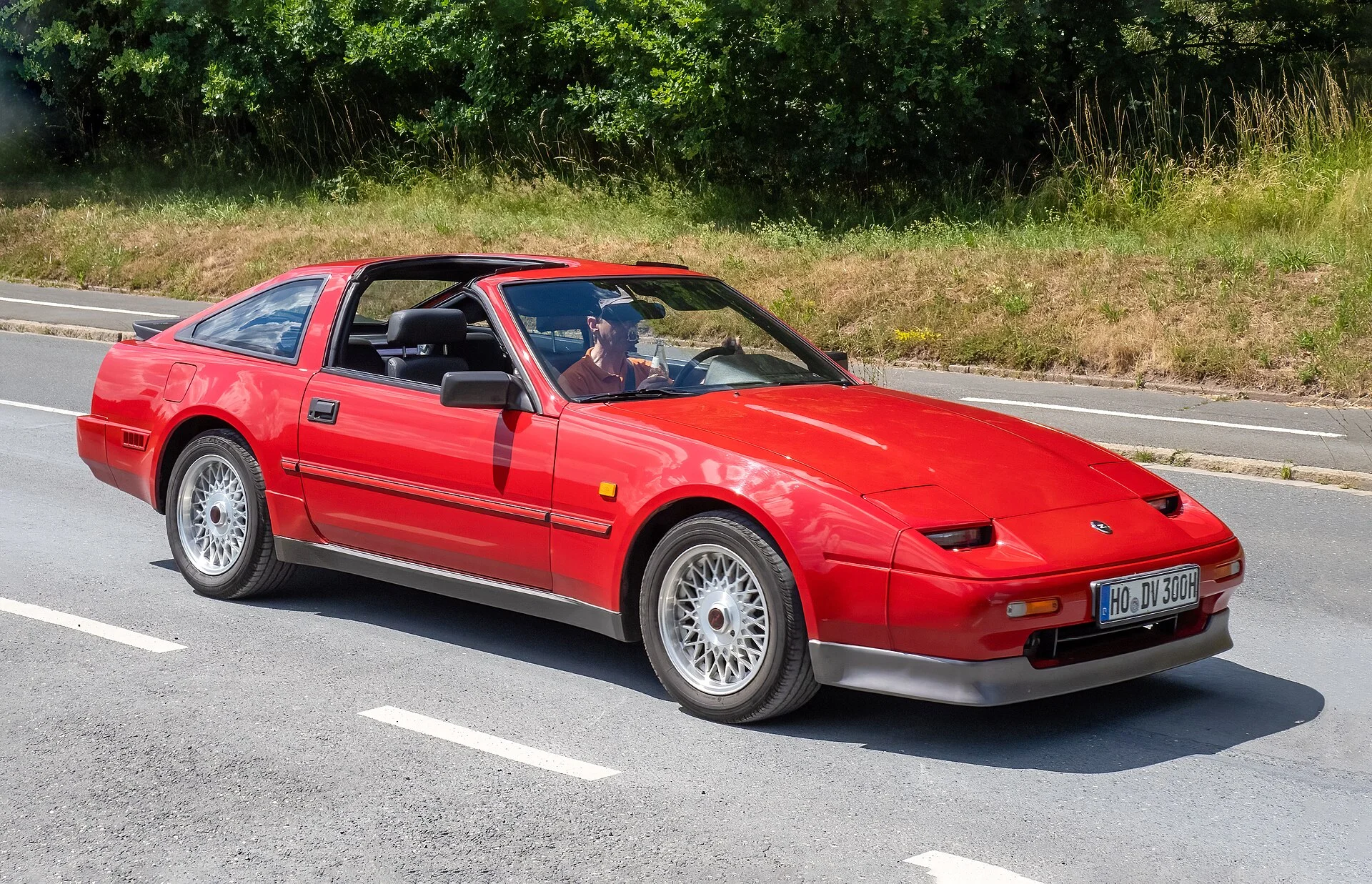
The 300ZX wasn’t simply given a digital speedometer because Nissan thought it looked cool, it was an early attempt to make the dashboard an electronic information center, something that is now completely normal in new cars.
So the next time you climb into a modern car and stare at a giant digital screen behind the steering wheel, remember that Nissan was already playing around with the idea back in the 1980s.

