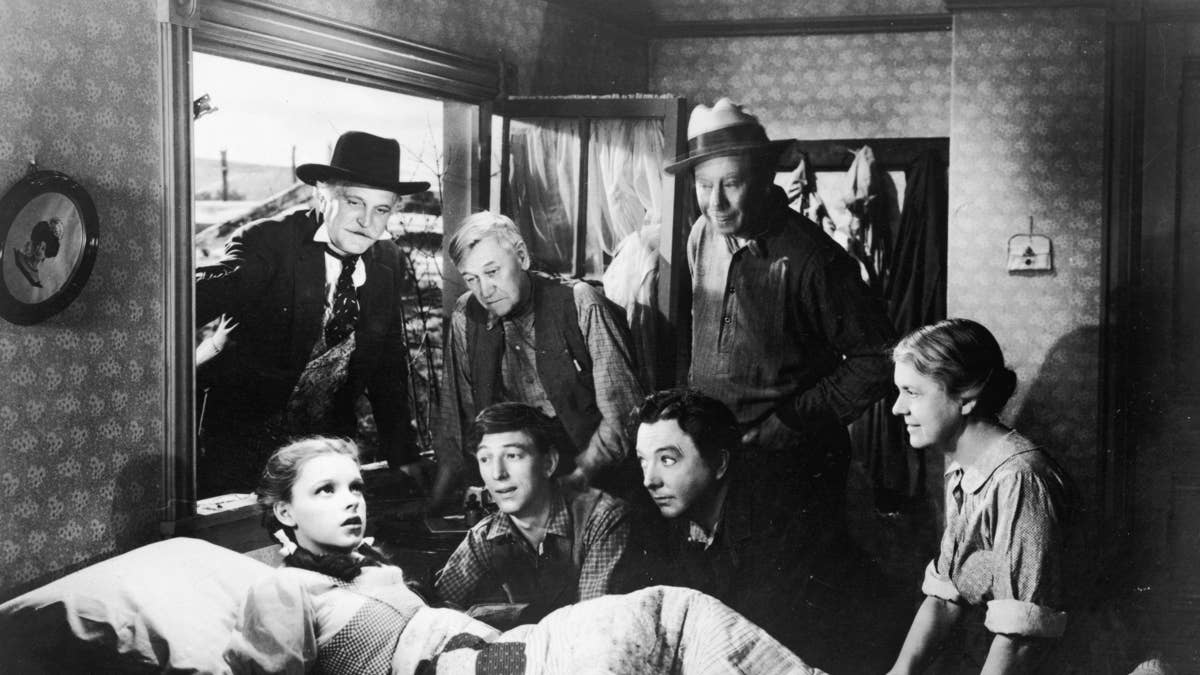
Дэлхийн кино урлагийн сонгодог бүтээлүүдийн нэг “The Wizard of Oz” киноны нээлтээс хойш 87 жил өнгөрчээ.
Анх 1939 оны наймдугаар сарын 10-нд Висконсин мужийн Грин Бэй хотноо нээлтээ хийсэн “The Wizard of Oz” кино нь өдгөө соёлын томоохон өв болон үлджээ. Rotten Tomatoes сайтаас 98 хувийн үнэлгээ авсан энэхүү бүтээл нь кино урлагийн түүхэн дэх хамгийн алдартай дуунууд болон дүрслэлийн шийдлүүдээрээ үзэгчдийн сэтгэлд гүн гүнзгий хоногшсон билээ.
Киноны зураг авалтын үйл явц сонирхолтой эргэлтүүдээр дүүрэн байсны нэг нь Канзас мужийн хэсгийг хар цагаанаар, Оз орныг өнгөт Technicolor технологиор дүрсэлсэн явдал юм. Мөн “Tin Man”-ийн дүрд тоглосон Бадди Эбсен нүүр будалтын найрлагаас болж хүндээр өвчилсний улмаас Жэк Хэйлигээр солигдож байсан түүхтэй. Зохиол дээрээ мөнгөлөг өнгөтэй байсан Доротигийн шаахайг Technicolor дүрслэлд илүү тод харагдуулах үүднээс улаан өнгөтэй болгон өөрчилсөн нь өнөөдөр киноны гол бэлгэдэл болон хувирчээ.
Киноны хамгийн алдартай “Over the Rainbow” дууг студийн зүгээс хасахыг завдаж байсан ч продюсер Артур Фрид эсэргүүцсэний хүчинд уг дууг үлдээсэн нь хожим Оскарын шагнал хүртэхэд хүргэсэн байна. Тухайн үедээ төдийлөн их ашиг олоогүй ч 1956 онд телевизээр анх удаа орон даяар цацагдсанаар 45 сая үзэгчдэд хүрч, улмаар үе үеийн хүүхдүүдийн заавал үзэх ёстой бүтээл болжээ.
Дэлгэрэнгүй эх сурвалжийг харах
Эх сурвалжийг нээх ↓
It has one of the most recognizable songs in movie history, one of Hollywood’s most famous villains and a pair of ruby slippers that became instantly iconic. But when The Wizard of Oz first premiered, nobody knew it would become one of the most beloved movies ever made.
The movie had its world premiere in Green Bay, Wisconsin, on Aug. 10, 1939, before opening in theaters across the country later that month. Nearly nine decades later, it’s hard to find a movie that has remained so deeply embedded in popular culture.
Parade even called it the “World’s Favorite Movie,” while Rotten Tomatoes gives the 1939 classic a 98% critics score score, calling it “an absolute masterpiece.”
The Movie Almost Looked Very Different
Part of what makes The Wizard of Oz so memorable is its transition from Kansas to Oz.
The Kansas sequences were filmed in black and white, while Oz burst onto the screen in Technicolor. At the time, color filmmaking was still relatively new, making the transition even more dramatic for audiences seeing it for the first time.
The production itself was considerably less magical.
Several directors worked on the movie, and the cast went through changes during filming. Buddy Ebsen was originally cast as the Tin Man but became seriously ill after reacting to the aluminum powder used in his makeup. Jack Haley eventually took over the role.
Even Dorothy’s famous slippers weren’t supposed to look the way they do in the movie. In L. Frank Baum’s original book, they were silver. MGM changed them to ruby so they would stand out against the Yellow Brick Road in Technicolor.
‘Over the Rainbow’ Almost Didn’t Make The Cut
Perhaps the biggest what-if involves the movie’s most famous song.
“Over the Rainbow” was nearly cut from the film because studio executives reportedly thought the sequence slowed things down. Producer Arthur Freed pushed to keep it, and the decision paid off.
Garland’s performance became one of the defining moments of the movie, and the song won the Academy Award for Best Original Song.
It Took Time to Become a Classic
The movie’s eventual reputation wasn’t reflected in its initial financial performance.
Despite becoming one of MGM’s most ambitious productions, The Wizard of Oz wasn’t an immediate blockbuster. It eventually earned back its production costs through re-releases, but its real transformation came when television brought Dorothy and her friends into living rooms across America.
When the movie first aired nationally in 1956, an estimated 45 million people watched. Beginning in 1959, it became a recurring television event, giving generations of children their own first trip down the Yellow Brick Road.
That may explain why The Wizard of Oz feels less like an old movie than a shared cultural memory.
You don’t necessarily have to have watched it recently to know what the ruby slippers look like, recognize the Emerald City or hear “There’s no place like home” and immediately know where the story is going.
And that’s ultimately what makes the movie’s 87-year run so remarkable.


