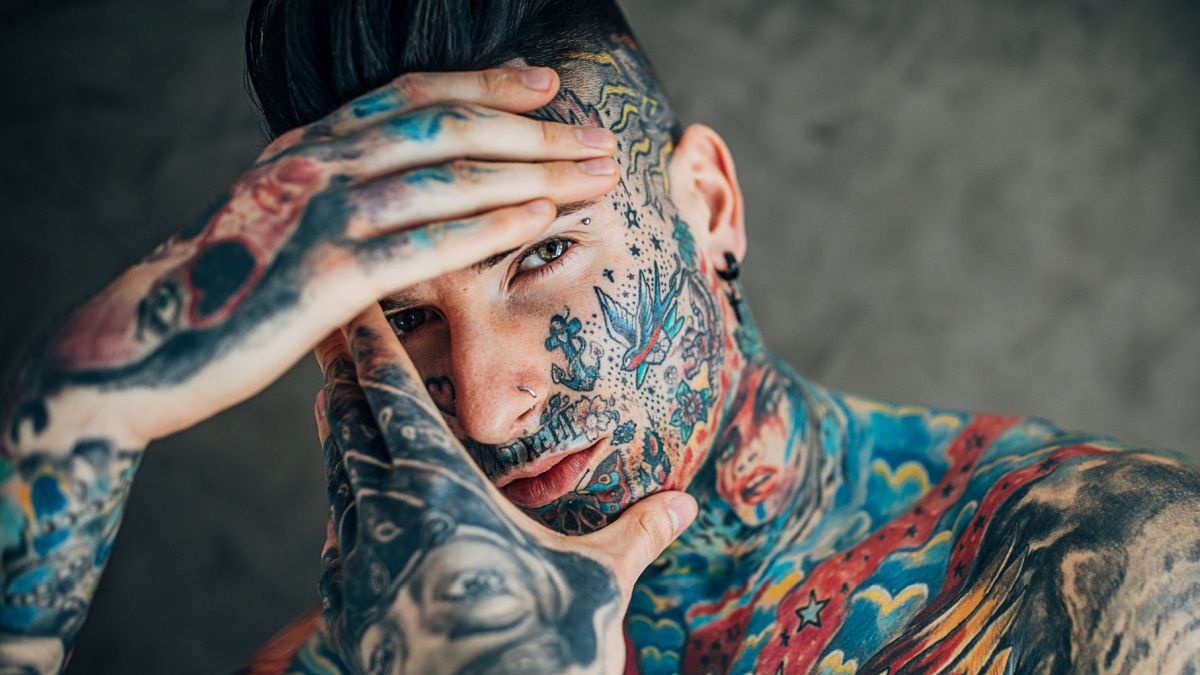
АНУ-ын Хүнс, эмийн хяналтын газрын (FDA) судалгаагаар худалдаанд буй шивээс болон байнгын нүүр будалтын бэхний гуравны нэг нь нянгийн бохирдолтой болохыг тогтоосон байна.
FDA-аас 2018-2024 оны хооронд хийсэн дөрвөн удаагийн судалгаагаар битүүмжилсэн 259 ширхэг бэхэнд шинжилгээ хийжээ. Шинжилгээгээр нийт 94 төрлийн нян илэрсэн бөгөөд тэдгээрийн гуравны нэг нь хүний эрүүл мэндэд сөрөг нөлөө үзүүлэх чадвартай эмгэг төрүүлэгчид байв. Тухайлбал, Pseudomonas aeruginosa, Bacillus cereus, Cutibacterium acnes зэрэг нянгууд илэрсэн нь судалгааны үр дүнгээр батлагджээ.
Судалгаанд хамрагдсан бүтээгдэхүүнүүдийн 35.4 хувь нь нянгаар бохирдсон байсан нь үйлдвэрлэлийн болон чанарын хяналтын тогтолцоонд дутагдал байгааг харуулж байна. Ялангуяа “ариутгасан” гэх шошготой бүтээгдэхүүнүүдийн 30.5 хувь нь бохирдолтой гарсан нь үйлдвэрлэлийн шат дамжлагад ариутгалын стандарт хангалтгүй байгааг илтгэж буй юм. FDA-ийн микробиологич Огхю Квон тэргүүтэй судлаачдын үзэж буйгаар, шивээсний бэхний аюулгүй байдлыг хангахын тулд үйлдвэрлэлийн стандартыг шинэчлэх, хяналтыг сайжруулах шаардлагатай байна.
Энэхүү судалгаа нь бэхний бохирдол нь тухайн бүтээгдэхүүний брэнд, өнгө, гарал үүсэл эсвэл ариутгалын шошготой холбоогүй болохыг харууллаа. Хэдийгээр бохирдсон бэх бүр шууд халдвар үүсгэхгүй ч, эрүүл мэндийн эрсдэлээс сэргийлэхийн тулд шивээс хийлгэхдээ эрүүл ахуйн хатуу стандарт баримталдаг, бүтээгдэхүүний чанарыг анхаардаг мэргэжлийн газрыг сонгох нь чухал юм. Судалгааны дэлгэрэнгүй үр дүнг Scientific Reports сэтгүүлд нийтэлжээ.
Дэлгэрэнгүйг эх сурвалжаас харах
↓Эх сурвалжийг нээх ↓
Tattooing is an art form that humans have practiced for thousands of years.
We inscribe our bodies with images and markings we find meaningful, using needles to breach the skin barrier that protects us to deposit ink that remains permanently embedded just below the epidermis.
Ideally, you don’t want that process of deposition to include possible pathogens, and in recent years, the tattoo industry has upped its game in terms of sterilization.
Even so, a 2024 US Food and Drug Administration study found something worrying. They tested a batch of 75 sealed tattoo and permanent makeup inks and discovered that a third of them harbored bacteria, some of which can make humans ill.
Now, they’ve widened their net to make sure that finding wasn’t an anomaly.
In a retrospective analysis of four FDA tattoo ink investigations conducted between 2018 and 2024, they have found that a third of the 259 unopened jars of tattoo and permanent makeup ink tested contained bacteria, for a total of more than 250 bacterial isolates representing 94 species – some of which are known human pathogens.
That 2024 study was not a fluke.
“These findings underscore that microbial contamination in tattoo and permanent makeup inks is widespread and diverse, reinforcing the need for sensitive molecular detection methods, expanded surveillance, and harmonized manufacturing standards to ensure product safety,” writes a team led by FDA microbiologist Ohgew Kweon in a paper published in Scientific Reports.
Each of the four individual FDA surveys showed that ink contamination, even for inks labeled as sterile, is a genuine concern.
But because each had looked at a particular collection of products through a particular lens, some questions remained unanswered: how common contamination was across the surveys, whether certain product characteristics predicted it, what kinds of microbes kept appearing, and how much microbial diversity remained undiscovered.
And then there’s what may be the biggest question: where and how the inks were becoming contaminated.
These are the knowledge gaps the researchers set out to address.
They pooled the previous surveys for the total sample of 259 unopened tattoo and permanent makeup inks, spanning a range of brands, colors, and sterility claims.
The original testing had opened the ink under laboratory conditions and used genetic sequencing to identify the bacterial species in colonies grown from the samples – that is, not just small traces of DNA, but bacteria alive enough to grow and form colonies.
For the new study, the researchers applied a consistent analytical framework to these results that could identify patterns that would not have been possible with any of the individual datasets.
Contamination rates varied substantially among the four surveys, but across all of them, the pooled estimate of bacterial contamination was 35.4 percent
One finding stood out as particularly striking.
The sterile label offered little reassurance of actual sterility. Of the 118 samples labeled sterile, nearly a third – 30.5 percent – were contaminated, compared with 35.5 percent of samples without a sterility claim.
The type or origin of the ink was no guarantee either: 33.3 percent of tattoo inks harbored bacteria, compared to 33.0 percent of permanent makeup inks; and 33.5 percent of inks made in the US were contaminated, compared to 31.9 percent of imported inks.
Whichever way you slice it, it turned out to be around a third.
Then, even more troublingly, were the species of bacteria involved. The researchers identified 94 species across 38 genera, overwhelmingly dominated by Bacillus, followed by Pseudomonas, Staphylococcus, and Lysinibacillus.
Of those 94 species, around a third – 34 – are classified as potential pathogens based on documented associations with human disease. Examples include Pseudomonas aeruginosa, Bacillus cereus, and Cutibacterium acnes.
That doesn’t mean a contaminated ink will necessarily cause an infection. The study identified bacteria known to cause disease, but did not measure whether the contaminated products actually made anyone sick.
“These findings are consistent with documented infection events and product recalls associated with microbial contamination introduced during ink manufacturing or distribution,” the researchers write.
But the 94 species might not represent the full extent of the problem.
As the number of samples increased, the number of bacterial species continued to rise. The curve did slow, but it never flattened – so it’s possible that, with a larger number of samples, even more bacteria may be discovered.
The study was also limited to finding species that grow easily from a culture. Slow-growing, fastidious, or viable-but-nonculturable bacteria may be hidden from the sampling.
For example, there have been multiple reported outbreaks of tattoo-associated nontuberculous mycobacteria infection – caused by bacteria that can require specialized growth media and longer incubation times than the methods used in these surveys.

And the study still can’t tell us when and how the contamination occurs. Sterility claims didn’t reliably predict it; neither did the type or color of the ink, nor its country of origin.
There is no obvious consumer- or even practitioner-facing metric that lets you look at a bottle of tattoo ink and gauge whether it’s safe.
Related: Artist Tattooed Himself to Solve Mystery of Ötzi The Iceman’s Tattoos
The researchers say their results indicate shortcomings in current manufacturing and quality-control practices. Their analysis suggests that validated controls and sterilization procedures at the manufacturing stage are warranted.
“These findings underscore the need for improved manufacturing quality control, validated sterilization procedures, and enhanced microbiological surveillance using complementary culture-based and molecular approaches to strengthen microbial risk assessment and improve the safety of tattoo and PMU ink products,” the researchers write.
But if you’re considering a tattoo, the advice remains much as it has always been. Research an artist thoroughly. Those who maintain strict hygiene protocols and pay attention to ink recalls and packaging integrity are likely to be a safer bet than your mate Jim’s friend with a tattoo gun in his garage.
The findings have been published in Scientific Reports.
This article was fact-checked by Rebecca Dyer and edited by Rebecca Dyer. While we pride ourselves on our process, we are only human. If you spot a mistake, please let us know.


