Японы стартап АНУ-ын Оак Рижийн үндэсний лабораторитой хамтран цөмийн нэгдлийн түлш боловсруулах туршилтын төхөөрөмж хөгжүүлж байна
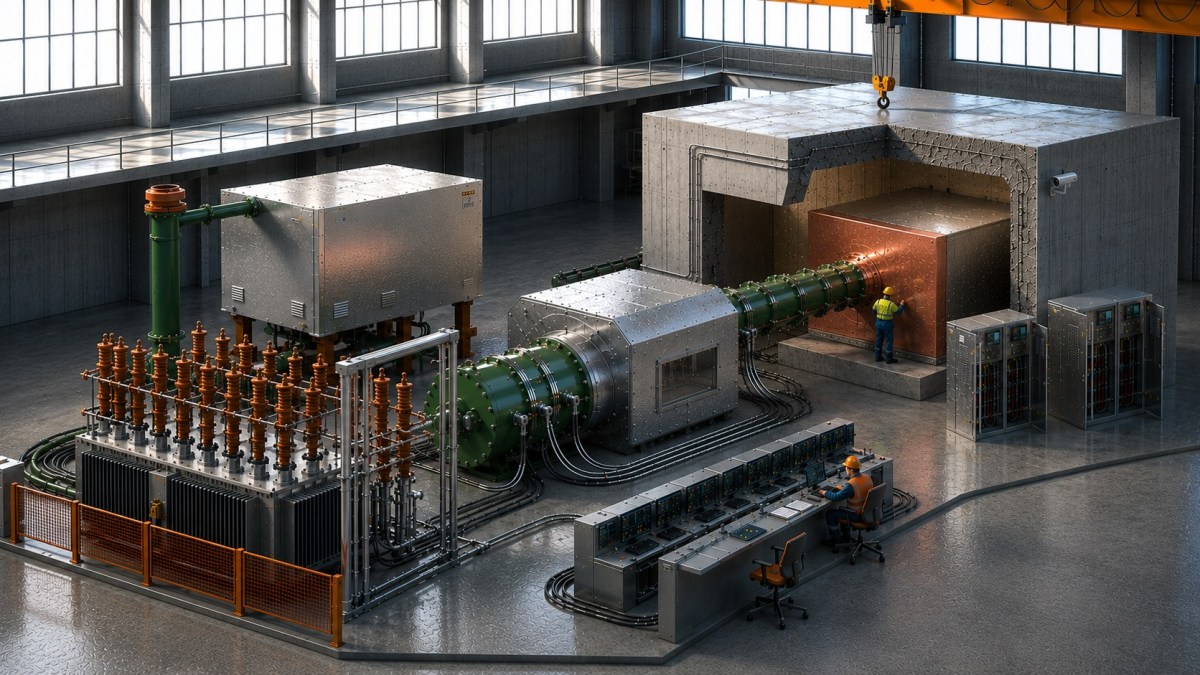
Цөмийн нэгдлийн эрчим хүчний салбарт тэргүүлэгч стартапуудын нэг Kyoto Fusioneering компани АНУ-ын Эрчим хүчний яам болон Теннесси мужаас санхүүжилт авч, цөмийн нэгдлийн түлш боловсруулах Unity-3 төхөөрөмжийг бүтээхээр болжээ. Тус компани энэхүү төслийн хүрээнд өөрийн АНУ дахь төв оффисоо Оак Риж хот руу шилжүүлж байгаагаа мэдэгдэв.
Unity-3 төхөөрөмж нь цөмийн реактораас эрчим хүч ялгаруулахын зэрэгцээ шинэ түлш үйлдвэрлэх чадвартай “breeding blanket” буюу түлш үржүүлэгч бүрхүүлийн технологийг турших зорилготой юм. Уг технологид шингэн литийг ашиглах бөгөөд энэ нь дулаан болон нейтроныг шингээж, реакторт шаардлагатай тритийг ялгах үйл явцыг гүйцэтгэдэг.
Kyoto Fusioneering-ийн мэдээлснээр, тус төхөөрөмж нь зөвхөн шингэн лити гэлтгүй төрөл бүрийн материалыг туршиж, өмнө нь зөвхөн компьютерын загварчлалаар гаргаж авсан тооцооллыг бодит туршилтаар баталгаажуулах юм. Энэхүү туршилтын үр дүн нь Realta Fusion, Thea Energy, Type One Energy болон Xcimer Energy зэрэг салбарын бусад стартапуудад реакторын загвараа боловсронгуй болгоход чухал ач холбогдолтой.
Одоогоор 121 сая долларын хөрөнгө оруулалт татаад буй тус компани нь цөмийн нэгдлийн салбарын нийлүүлэлтийн сүлжээнд гол байр суурь эзэлж байна. Fusion Industry Association-ийн судалгаагаар, цөмийн нэгдлийн салбарын стартапуудын тал хувь нь түлшний цикл технологийн чиглэлээр Kyoto Fusioneering зэрэг гадны нийлүүлэгчидтэй хамтран ажиллахаар төлөвлөж байна.
Дэлгэрэнгүйг эх сурвалжаас харах
↓Эх сурвалжийг нээх ↓
In the fusion power world, most of the attention gets lavished on the reactors themselves, where atoms fuse to unleash enormous amounts of energy. But a fusion reactor can’t run for long without a lot of other equipment, and building a fusion reactor is expensive enough on its own. Plenty of startups are happy to let someone else handle the rest.
Among the dozens of companies in the emerging fusion power supply chain, few specialists are bigger than Kyoto Fusioneering. The Japan-based company has raised $121 million in committed capital, according to FusionX. Now it has landed grants from the U.S. Department of Energy and the state of Tennessee to build a prototype fuel breeding device at Oak Ridge National Laboratory (ORNL).
Alongside the announcement, Kyoto Fusioneering exclusively told TechCrunch that it’s moving its U.S. headquarters to Oak Ridge.
The startup has emerged as a key player in the fusion power industry. Over half of fusion startups have said they plan to work with external suppliers like Kyoto Fusioneering on fuel cycle technologies, according to a recent Fusion Industry Association survey.
Kyoto Fusioneering’s forthcoming device, called Unity-3, is being developed with ORNL and will test a fuel cycle technology known as a breeding blanket. Breeding blankets harvest energy from the fusion reactor while also generating fresh fusion fuel.
One breeding blanket design will use liquid lithium, which will absorb both heat and neutrons. As the lithium atoms in the blanket are bombarded with neutrons, they split into helium and tritium, an isotope of hydrogen that’s an important fuel for many reactor designs. The tritium is then separated from the blanket and sent to the reactor, while heat is extracted to generate power.
All of this requires heat-resistant materials, bespoke pumps, and other specialized equipment, and it’s just one slice of a fusion power plant that needs to be developed before it can connect to the grid. Kyoto Fusioneering is also developing systems to heat fusion fuel into a plasma, recycle unburned fuel from the exhaust, and harvest heat to generate electricity.
Unity-3 will test the performance of not just liquid lithium, but a range of other breeding blanket materials, Kyoto Fusioneering told TechCrunch. The device will help researchers and startups validate the data they’ve been generating, so far mostly through computer models.
Other fusion startups, including Realta Fusion, Thea Energy, Type One Energy, and Xcimer Energy, will use data from the Unity-3 experiments to design their reactors. It’s a range of startups —and approaches to fusion power —that should help position Kyoto Fusioneering as a go-to supplier when fusion power is ready for the grid.
When you purchase through links in our articles, we may earn a small commission. This doesn’t affect our editorial independence.


