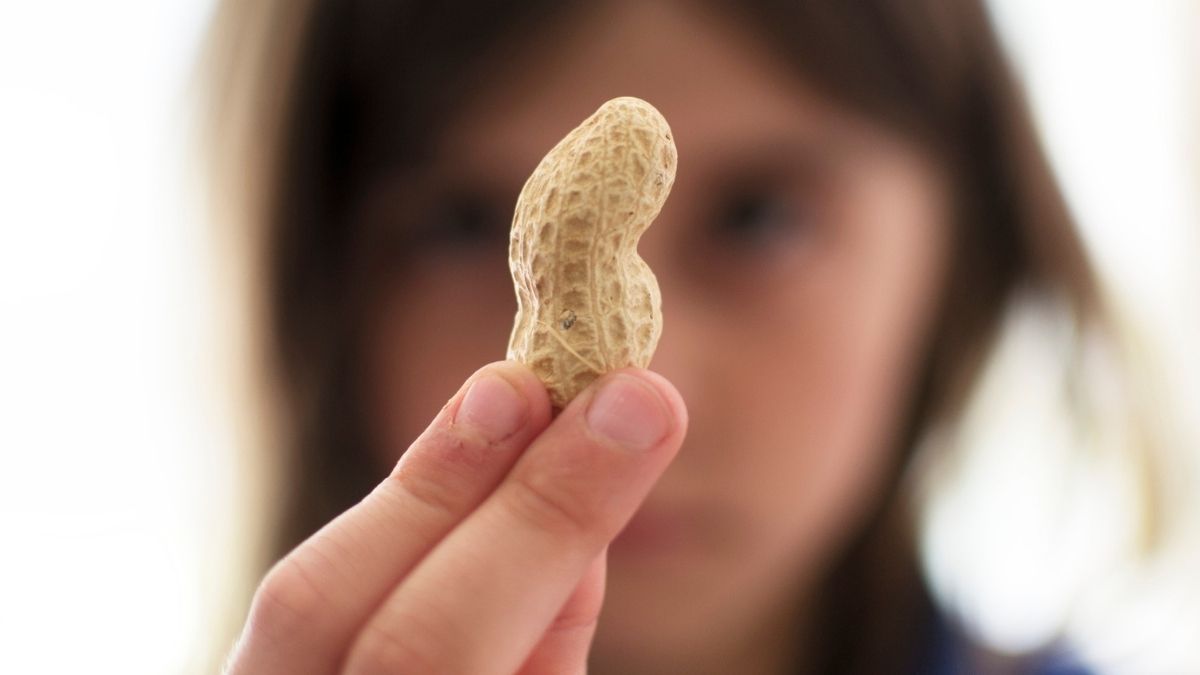
Бостоны хүүхдийн эмнэлгийн судлаачид газрын самарны харшилтай насанд хүрэгчдэд гэдэсний бичил биетийг өөрчлөх замаар харшлыг бууруулах эмчилгээний анхны шатны туршилтыг явууллаа.
Судалгаанд 15 оролцогчийг хамруулсан бөгөөд эхний 10 хүнд эрүүл донорын гэдэсний нянг агуулсан капсулыг 1-2 хоногийн турш уулгасан бол үлдсэн таван хүнд антибиотикийн эмчилгээний дараа ижил төстэй трансплантаци хийжээ. Судалгааны үр дүнд оролцогчдын 40 хувь нь сайн үр дүн үзүүлж, харшил үүсгэгч уургийн хүлцэх чадвар нь нэмэгдсэн байна. Тухайлбал, антибиотик хэрэглэсэн бүлгийн оролцогчид самарны уургийн хүлцэх чадвараа зургаа дахин өсгөсөн нь тогтоогджээ.
Уг эмчилгээ нь харшлыг бүрэн эмчлэхгүй ч дархлааны системийг өөрчлөх замаар удаан хугацааны үр дүн үзүүлж болохыг эрдэмтэд онцолсон байна. Судалгаагаар Bacteroides төрлийн нянгууд нь дархлааны зохицуулагч эсүүдийг идэвхжүүлж, харшил үүсгэгчид хэт мэдрэг байдлыг бууруулахад нөлөөлж байж болзошгүй гэж үзжээ.
Энэхүү эмчилгээ нь гаж нөлөө багатай, аюулгүй байсныг судлаачид тэмдэглэв. Гэвч уг судалгаа нь цөөн тооны оролцогчтой, хяналтын бүлэггүй явагдсан тул ирээдүйд илүү өргөн хүрээтэй, плацебо бүхий эмнэлзүйн туршилтуудыг хийх шаардлагатай байна.
Дэлгэрэнгүйг эх сурвалжаас харах
↓Эх сурвалжийг нээх ↓
Food allergies aren’t just inconvenient, they can be really scary – imagine being out in a crowded restaurant and feeling your throat closing up.
Allergies can even be deadly for those with severe reactions, and since they’re inherently unpredictable, you never know when a previously moderate allergy can turn severe.
All of that causes plenty of anxiety in people with allergies, especially parents and kids.
Researchers have come a long way in developing treatments for food allergies, with oral immunotherapies and skin patches both helping desensitize kids to peanuts, protecting them if they were to ingest small amounts.
Another potential way to retrain the immune system is through the gut, which houses a vast collection of bacteria and other microbes that can either help or hinder health.
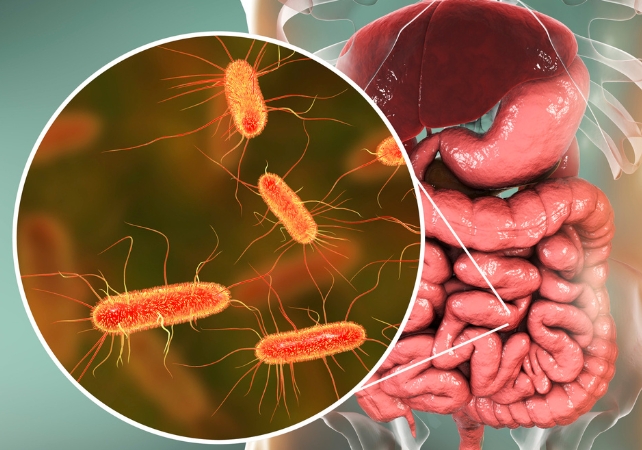
In a new trial, scientists gave 15 adults with peanut allergies capsules containing fecal microbiota – essentially, carefully processed communities of gut bacteria extracted from healthy donors’ poop.
This technique, called fecal microbiota or fecal matter transplant (FMT), is a promising therapy that aims to ‘reset’ the gut microbiome.
In human trials, it has helped alleviate depression, inflammatory bowel disease, type 2 diabetes, and more (though it doesn’t work for everyone).
Research also shows that treating mice with a cultured selection of gut bacteria suppresses their food allergies.
Now we have some human data suggesting that poop transplants may help in a similar way.
The clinical trial, conducted at Boston Children’s Hospital, was a phase 1, open-label study that prioritized safety and determining whether FMT was an effective way to address peanut allergies.
At the start, participants were highly sensitive; every person reacted to 100 milligrams or less of peanut protein (less than half a peanut) during a medically supervised food challenge.
The first 10 participants received an FMT: a course of 36 pills administered over the course of 1-2 days. These capsules contained gut bacteria from healthy volunteers without a peanut allergy.
Another 5 participants then received a poop transplant, after completing a short course of antibiotics to alter their gut microbiome before the treatment.
The treatment was generally well tolerated, with a few minor side effects, but no major adverse events. Nobody had an allergic reaction to the transplant itself.
But did FMT work?
Nine participants didn’t respond to the treatment, but 6 people (40 percent) did, and adding antibiotics to the treatment regimen seemed to help.
Three people who didn’t receive antibiotics tripled their tolerance of peanut protein (to 300 milligrams), while three in the antibiotic group increased their tolerance around six-fold (to 600 milligrams).
One of those six responders tolerated all the doses tested, totaling 1,043 milligrams of peanut protein.
“These responses represent a marked improvement after a single dose of FMT, considering that it takes around 6 months of daily oral immunotherapy for patients to tolerate a dose of 300 milligrams of peanut protein,” the researchers write in their paper.
Tolerance isn’t the same thing as making someone allergy-free. But importantly, the response lasted at least 4 months, the length of the study.
Some people might find the idea of an FMT hard to swallow, but it may actually be a more palatable option than oral immunotherapies, which must be taken daily, otherwise, patients become allergic again.
The fact that almost half of the participants in the Boston trial saw meaningful, long-lasting benefits led one expert to say the potential for FMT is “really, really exciting”.
So how did some gut bacteria change some people’s allergic responses so quickly?

Figuring it out required some detective work and some mice.
The researchers transplanted gut bacteria from participants’ stool samples, collected four months after their FMT, into mice. These mice had been raised in an environment devoid of any microbes, so they were germ-free.
Mice inoculated with bacteria from human responders were less likely to develop food allergies, and when those allergies were induced, the animals were also somewhat protected fromanaphylaxis.
Further analyses revealed that two bacterial species from the genus Bacteroides were likely conferring that protection, via a mechanism that stimulates regulatory immune cells, helping the body be less trigger-happy around allergens.
Related: Your Gut-Brain Link May Offer a New Way to Fight Cognitive Decline
While we can’t be sure the same process happens in humans, isolating the right bacterial strains could help researchers get closer to precision treatments that may reduce the risk of unexpected side effects.
Though these early results are promising, FMT won’t be available anytime soon for food allergies. The study involved just 15 adults, with no placebo group or blinding.
Larger randomized, placebo-controlled trials are needed, but the results of this one lay the foundations for future studies.
An estimated 30-40 percent of people have at least one allergy, and up to 5 percent of people will experience a severe allergic reaction (anaphylaxis) at some point in their lives.
These new findings give hope of an allergy treatment that doesn’t just try to convince the immune system to tolerate the allergen through repeated exposure.
Instead, it retrains the immune system via the gut microbiome, which could lead to lasting relief.
All of that possibility from what started as a pile of poop.
Read the full findings in Science Translational Medicine.
This article was fact-checked by Rachel Garner and edited by Clare Watson. While we pride ourselves on our process, we are only human. If you spot a mistake, please let us know.

