АНУ-ын хууль тогтоох байгууллагад хиймэл оюун ухааны технологи ашиглан бэлтгэсэн, алдаа дутагдал ихтэй хуулийн төслүүд олноор ирж байгаа нь хуульчдын ажлын ачааллыг эрс нэмэгдүүлж байна.
Конгрессын Хууль зүйн зөвлөлийн (OLC) ажилтнууд ChatGPT болон Claude зэрэг хиймэл оюун ухааны хэрэгслээр бичсэн төслүүдийг засаж залруулахад анхнаас нь шинээр бичихээс ч илүү их цаг зарцуулж байгааг албаны эх сурвалжууд мэдээлэв. Эдгээр төсөлд хууль зүйн нэр томьёоны буруу тайлбар, хуулийн заалтын зөрүүтэй ишлэл, цаашид сөрөг үр дагавар дагуулж болзошгүй найруулгын алдаанууд түгээмэл ажиглагдаж байна. Тухайлбал, “муж” гэсэн нэр томьёог буруу тодорхойлсноор Вашингтон Ди-Си болон уугуул иргэдийн нутаг дэвсгэрийг холбооны хөтөлбөрөөс хасах эрсдэл үүссэн тохиолдол гарчээ.
АНУ-ын Конгресст хиймэл оюун ухааны хэрэглээ нэмэгдэж байгаатай холбоотойгоор олон нийтэд ил болсон алдаанууд цөөнгүй гарч байна. Тухайлбал, зургаадугаар сард Бүгд найрамдах намын төлөөлөгч Анна Паулина Лунагийн албанаас гаргасан баримт бичигт хиймэл оюун ухааны хариулт хэсэгчлэн орсон байв. Мөн Канадын парламентын гишүүн Билл Оливер хиймэл оюун ухаанаар бэлтгэсэн илтгэлээ уншихдаа технологийн зааварчилгааг нь андуурч чангаар уншсан тохиолдол гарчээ.
Хууль тогтоох байгууллагаас гадна АНУ-ын шүүх болон Төрийн департаментад хиймэл оюун ухааны алдаатай ашиглалттай холбоотой асуудлууд тулгарч байна. Тухайлбал, өнгөрсөн сард Төрийн департамент Африк тивийн улсуудын байршлыг буруу заасан хиймэл оюун ухаанаар бүтээсэн газрын зураг ашигласныхаа төлөө уучлалт гуйх шаардлагатай болсон юм.
Хэдийгээр ийм алдаанууд гарч байгаа ч АНУ-ын Конгрессын Хууль зүйн зөвлөл өөрийн үйл ажиллагаандаа хиймэл оюун ухааныг хэрхэн үр дүнтэй ашиглах талаар судалж байна. Гуравдугаар сард тус байгууллага хууль зүйн судалгаа болон төсөл боловсруулахад туслах зорилгоор тусгай ажлын хэсэг байгуулж, холбогдох технологийг нэвтрүүлж эхэлснээ мэдэгджээ.
Дэлгэрэнгүйг эх сурвалжаас харах
↓Эх сурвалжийг нээх ↓
Congressional lawyers are reportedly spending more time fixing some chatbot-written bills than it would take to draft them from scratch
US congressional lawyers are struggling with a flood of error-ridden AI-generated legislation, forcing them to spend increasingly more time rewriting proposals produced by chatbots, Politico reported on Monday.
Staffers and outside groups have more frequently turned to ChatGPT and Claude to produce legislative text, with error-ridden drafts regularly reaching the House Office of Legislative Counsel (OLC), according to eight current and former officials interviewed by the Axel Springer-owned outlet.
In some cases, lawyers spend “more time trying to fix AI-drafted legislation than it would take for them to draft it from scratch,” one person who advises congressional staff on the technology said.
The OLC helps lawmakers turn policy proposals into bills and ensure they fit existing US law. However, AI-generated drafts have reportedly arrived with incorrect statutory references, confused legal definitions and wording that could produce unintended consequences if enacted.
One example cited by Politico defined a “state” in a way that could exclude Washington, DC or tribal nations from a federal program. AI can also confuse legal mechanisms such as tax credits, deductions and grants.
The errors are adding to an already heavy workload. The OLC has 61 attorneys and 19 support staff and received 5,623 legislative requests during the first 60 days of the current Congress, up 72% from the same period two years earlier.
AI use is becoming increasingly common on Capitol Hill, four congressional staffers told Politico, saying that chatbots are used to review and draft legislation. The introduction of generative tools, however, has already led to a number of public blunders.
Canadian politician reads AI prompt aloud in legislature without realizing it:
“Here’s a more natural, flowing version of that section that reads like a legislative speech rather than a series of short points” pic.twitter.com/S2Q0aV2Ufp
— CR1337 (@CR1337) July 26, 2026
In June, Republican Representative Anna Paulina Luna’s office published an amendment summary containing the words “Claude responded:” along with other text copied from the chatbot. Luna said AI had been used on the summary rather than the amendment itself, and added that the inclusion of Claude’s remarks was “not a shocker. Most staff use it.”
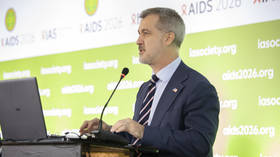
A similar episode recently occurred in Canada, where New Brunswick lawmaker Bill Oliver admitted using AI to prepare a lengthy speech after reading leftover chatbot instructions aloud in the legislature, including: “Here’s a more natural, flowing version of that section that reads like a legislative speech rather than a series of short points.”
AI-related errors have also reached the US courts. Two federal judges came under scrutiny last year over rulings containing inaccurate quotations, factual errors and incorrect case references, with AI reportedly involved in at least one case.
The State Department also apologized last month after using an AI-generated map that misplaced all six African countries it highlighted.
Despite such blunders, the OLC is also exploring how AI could assist its own work. The office told Congress in March that it had formed a working group to examine uses such as legal research and had already introduced specialized technology to help its lawyers draft legislation.
You can share this story on social media:



