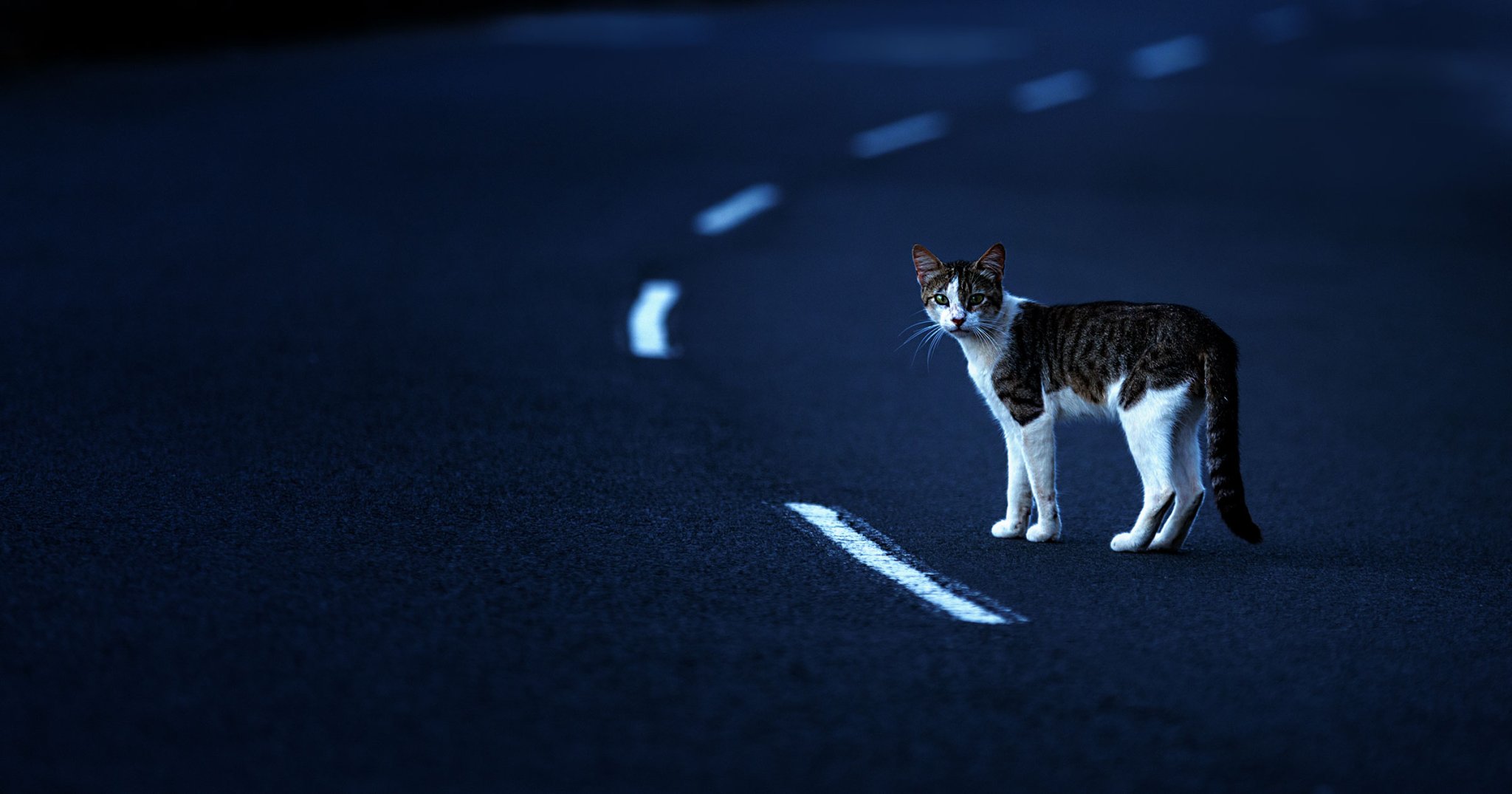
Камерт суурилсан систем нь харанхуйд амьтдыг таньж илрүүлэхэд бэрхшээлтэй байгаа нь Тесла компанийн бие даасан жолоодлогын технологийн хязгаарлагдмал байдлыг дахин харуулж байна.
Тесла компанийн гүйцэтгэх захирал Илон Маск өөрсдийн роботаксийн үйлчилгээний цагийн хуваарийг Остин хотод 22:00 цагаас 23:00 цаг болгон сунгаснаа амралтын өдрүүдэд мэдэгдлээ. Тэрээр энэхүү шийдвэр нь шөнийн цагаар зам дээрх амьтдыг, ялангуяа харанхуйд ялгагдахааргүй саарал өнгийн амьтдыг мөргөхөөс сэргийлэхтэй холбоотой гэж тайлбарлав.
Илон Маск олон жилийн турш өөрийгөө жолооддог автомашинд LIDAR болон радар технологи шаардлагагүй, зөвхөн камерт суурилсан систем хангалттай гэж үзсээр ирсэн. Гэвч түүний өрсөлдөгч Waymo зэрэг компаниуд LIDAR болон радар мэдрэгчийг ашиглан шөнийн цагт илүү нарийвчлалтай илрүүлэлт хийж, зах зээлд давуу тал олж авч байна.
Шинжээчдийн зүгээс Остин хотод оройн 19:00 цагийн дараа харанхуй болдог тул 22:00 болон 23:00 цагийн хооронд мэдэгдэхүйц ялгаа гарахгүй гэдгийг онцолж байна. Тесла компани жолооны хүрд болон педальгүй Cybercab загварынхаа зохицуулалтын асуудлуудтай тулгарч, үйл ажиллагаагаа өргөжүүлэхэд хүндрэлтэй байгаа юм.
Дэлгэрэнгүйг эх сурвалжаас харах
↓Эх сурвалжийг нээх ↓
For many years now, Tesla CEO Elon Musk has been adamant that self-driving cars don’t need radar or the laser-based imaging tech known as LIDAR, arguing that they can instead get by exclusively with a camera-based system.
He’s called LIDAR a “fool’s errand,” going as far as to claim that it and radar “reduce safety due to sensor contention.”
But in 2026, Tesla’s competitors in the self-driving space that have embraced the sensors continue to hold a major edge over Musk’s EV maker.
And after the Sun sets, being able to see in the dark is a whole lot easier with those additional sensors, a lesson Musk is seemingly still in the process of learning. Over the weekend, Musk announced that operating hours of the company’s Austin-based robotaxi system had “moved from 10 pm to 11 pm.”
“The main thing we’re trying to solve is making sure that we don’t run over pets when they’re hard to see at night,” he wrote. “Literally trying to avoid grey kittens on grey tarmac in the dark.”
The tweet once again highlights how LIDAR and radar sensors could easily give Tesla’s vehicles a major leg up — kittens of any shade could certainly be picked up by them, even without any visual contrast against their background.
But whether Musk is being honest about his true intentions is murky. For one, as Electrek points out, sunset in Austin is just after 7 pm local time right now, which means that it shouldn’t really make any difference whether the service ends at 10 pm or 11 pm — it’s not going to get any darker at that point.
Despite Musk making characteristically overzealous pronouncements about his car company’s robotaxi rollout, scaling up operations in Austin, let alone other US cities, has proven extremely challenging. Tesla has run into major regulatory hurdles, particularly with its steering wheel- and pedals-less Cybercab.
In Austin, its competitor Waymo, which uses a suite of LIDAR and radar sensors for its vehicles, dwarfs Tesla’s fleet. But even for it, stray cats remain a nagging problem. Last year, a tabby cat named KitKat met its demise after a Waymo ran him down — one of several beloved neighborhood critters that have ended up under autonomous vehicles’ tires.
More on Elon Musk: Mother of Elon Musk’s Children Says She Has Been “Let Go” by the Billionaire
The post Elon Musk Explains Why Tesla Robotaxis Can’t Be Trusted at Night appeared first on Futurism.

