
АНУ-ын Орегон мужид хэрэгжүүлсэн псилоцибины хяналттай хөтөлбөрт хамрагдсан иргэдийн сэтгэцийн эрүүл мэндэд ажиглагдсан өөрчлөлтийн талаарх судалгааны үр дүн JAMA Network Open сэтгүүлд нийтлэгдлээ.
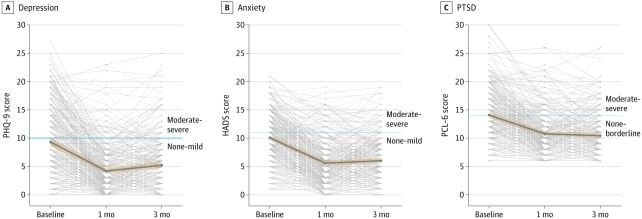
Oregon Health & Science University-ийн эрдэмтэд 2024 оны 11 дүгээр сараас 2026 оны зургадугаар сарын хооронд тус хөтөлбөрт хамрагдсан 346 хүнийг судалжээ. Судалгаанд оролцогчид дунджаар 31.9 мг тун бүхий псилоцибиныг хяналттай орчинд хэрэглэсэн бөгөөд нэг сарын дараах байдлаар 92.2 хувь нь энэхүү туршлагаа ач тустай гэж үзсэн байна. Гурван сарын дараах үр дүнгээр оролцогчдын дунд ПТСР (гэмтлийн дараах стрессийн эмгэг), түгшүүр болон сэтгэл гутралын шинж тэмдэг илрэх нь мэдэгдэхүйц буурч, амьдралдаа сэтгэл ханамжтай байх түвшин 63 хувиас 82.3 хувь хүртэл өсжээ.
Тус судалгааг удирдсан Todd Korthuis-ийн тайлбарласнаар, энэ нь эмнэлзүйн хяналттай туршилтаас гадуур, бодит амьдрал дээрх псилоцибины үр нөлөөг судалсан томоохон ажил болсон байна. Гэсэн хэдий ч судалгаанд оролцогчдын 1.2 хувь буюу дөрвөн хүн зан үйлийн ноцтой өөрчлөлтөд орж, эмнэлгийн тусламж авах шаардлагатай болсныг эрдэмтэд онцолжээ. Эдгээр тохиолдол нь урьд өмнө сэтгэцэд нөлөөлөх бодис хэрэглэж байгаагүй, өндөр тун хэрэглэсэн хүмүүст тохиолдсон байна.
Судлаачид энэхүү үр дүн нь псилоцибин нь сэтгэцийн эрүүл мэндэд тустай байж болохыг харуулж буй ч эмнэлгийн хяналтгүй орчинд хэрэглэх нь эрсдэл дагуулж болзошгүйг санууллаа. Судалгааны явцад хяналтын бүлэг байгаагүй болон оролцогчдын дийлэнх нь ижил төстэй хүн ам зүйн бүлгээс бүрдсэн зэрэг хязгаарлалтууд байгаа тул үр дүнг бүх нийтэд шууд хамаатуулах боломжгүй юм. Иймд псилоцибин хэрэглэхээр төлөвлөж буй хүмүүс эрүүл мэндийн болзошгүй эрсдэл болон бусад эмтэй харилцан үйлчлэх нөлөөллийн талаар мэргэжлийн эмчтэй зөвлөлдөх шаардлагатай.
Дэлгэрэнгүйг эх сурвалжаас харах
↓Эх сурвалжийг нээх ↓
For those living in the shadow of mental health conditions such as PTSD, anxiety, and depression, finding a way forward can sometimes feel impossible – especially when conventional treatments have offered little succor.
Psilocybin, a psychoactive chemical found in some mushrooms, spent decades being demonized as an illicit drug.
But now, results from the first state-regulated psilocybin program in the US suggest the drug could offer a glimmer of hope beyond the confines of clinical trials.
Between November 2024 and June 2026, a team led by Oregon Health & Science University tracked 346 clients participating in the program – and found that, in the first three months after taking psilocybin, participants reported significant improvements in mental health, well-being, and life satisfaction.
Just one month after the dose, 92.2 percent of participants said the experience had been beneficial, while, on average, their mental health symptoms had fallen dramatically.
“This paper is going to be cited for decades,” says neuroscientist Adrianne R. Wilson-Poe of the Legacy Research Institute and co-director of the Open Psychedelic Evaluation Nexus (OPEN).
“This is the first large-scale study to monitor the safety and mental health symptoms of real people in the real world.”
Mental illness affects tens of millions of Americans, many of whom find conventional treatment insufficient – or don’t find it at all. In 2024, approximately 23 percent of US adults reported symptoms of mental illness in the prior year; however, only half of those people received treatment.
This has led researchers to investigate other options, such as psilocybin. Over the last decade, clinical trials have shown increasing promise that the compound can alleviate the symptoms of mental illness, particularly in patients for whom other treatments have not worked well.
A clinical trial, however, is a very tightly controlled setting.
The Oregon study is a totally different beast.
The program officially opened its doors to clients in mid-2023. Rather than using carefully selected participants, synthetic pharmaceutical psilocybin, and ongoing therapeutic support, it allows any adult over 21 to participate for any reason, uses mushroom-derived products, and doesn’t require facilitators to have professional clinical training.
So what happens, the researchers wanted to know, when you take psilocybin out of the tightly controlled clinical-trial environment and offer it to ordinary members of the public?
OPEN recruited 346 clients of the program, across 24 licensed service centers in Oregon, who were willing to participate in assessing its outcomes and safety.
Each client received a supervised dose of psilocybin averaging 31.9 milligrams, although individual doses ranged from 2 to 50 milligrams. Clients underwent preparation beforehand, took the psilocybin under facilitator supervision, and could attend integration sessions afterward.
They also completed surveys to assess changes in symptoms and life satisfaction before the dose and at several points after, up to 3 months later.
The results were impressive.
After three months, the proportion of participants reporting moderate-to-severe PTSD symptoms had fallen from 48 percent to 16.8 percent. Moderate-to-severe anxiety fell from 45.1 percent to 13.2 percent over the same timeframe, while moderate-to-severe depression fell from 42.2 percent to 16.5 percent.
Meanwhile, life satisfaction rose from 63 percent to 82.3 percent across the cohort.
But it wasn’t all great news. Four people – 1.2 percent of the cohort – experienced serious behavioral reactions requiring medical attention.
One person became violent and was transported to the hospital. Another subsequently reported an emergency room visit, worsening anxiety and depression, and thoughts of self-harm.
A third reported an emergency room visit and worsening anxiety and depression.
And the fourth reported severe anxiety and insomnia requiring medication, plus worsening anxiety and depression and thoughts of self-harm through three months.
All four were psychedelic-naive (hadn’t taken a psychedelic before) and had symptoms of depression, anxiety, and/or PTSD before taking psilocybin. They also received moderate-to-high doses of 25 to 50 milligrams.
The researchers suggest that inexperience with psychedelics, greater psychological vulnerability, and higher doses may increase the risk of serious reactions, although four cases are far too few to establish that.
There are also several limitations. Because it’s a real-world study, it can’t prove that psilocybin caused the improvements.
There was no control group; participants chose to use the service; and only around 5 percent of Oregon’s psilocybin clients during the study period participated in OPEN. In addition, most of the participants were white and relatively affluent.
However, Oregon’s experiment is already considerably larger than this study alone might suggest.

More than 20,000 people have received regulated psilocybin services in the state since 2023 – more than six times the number who have participated in clinical trials of classic psychedelics since 1951.
Related: Huge Psilocybin Dose Has Incredible Effect on Elderly Dementia Patient
For study lead Todd Korthuis of Oregon Health & Science University and his colleagues, the findings suggest that the benefits seen in tightly controlled clinical trials may carry over into the messier real world – although the small number of serious reactions shows that psilocybin is not without risk.
Psilocybin isn’t suitable for everyone, and anyone considering it should discuss the potential risks with a medical professional, particularly if they have existing health conditions or take medications that could interact with it.
But the findings offer encouraging early evidence that bringing psilocybin outside the traditional medical model doesn’t necessarily mean leaving its potential benefits behind.
“Just because something isn’t a medical model doesn’t mean you can’t have mental health benefits,” Korthuis says.
The results have been published in JAMA Network Open.
This article was fact-checked by Fiona MacDonald and edited by Fiona MacDonald. While we pride ourselves on our process, we are only human. If you spot a mistake, please let us know.


