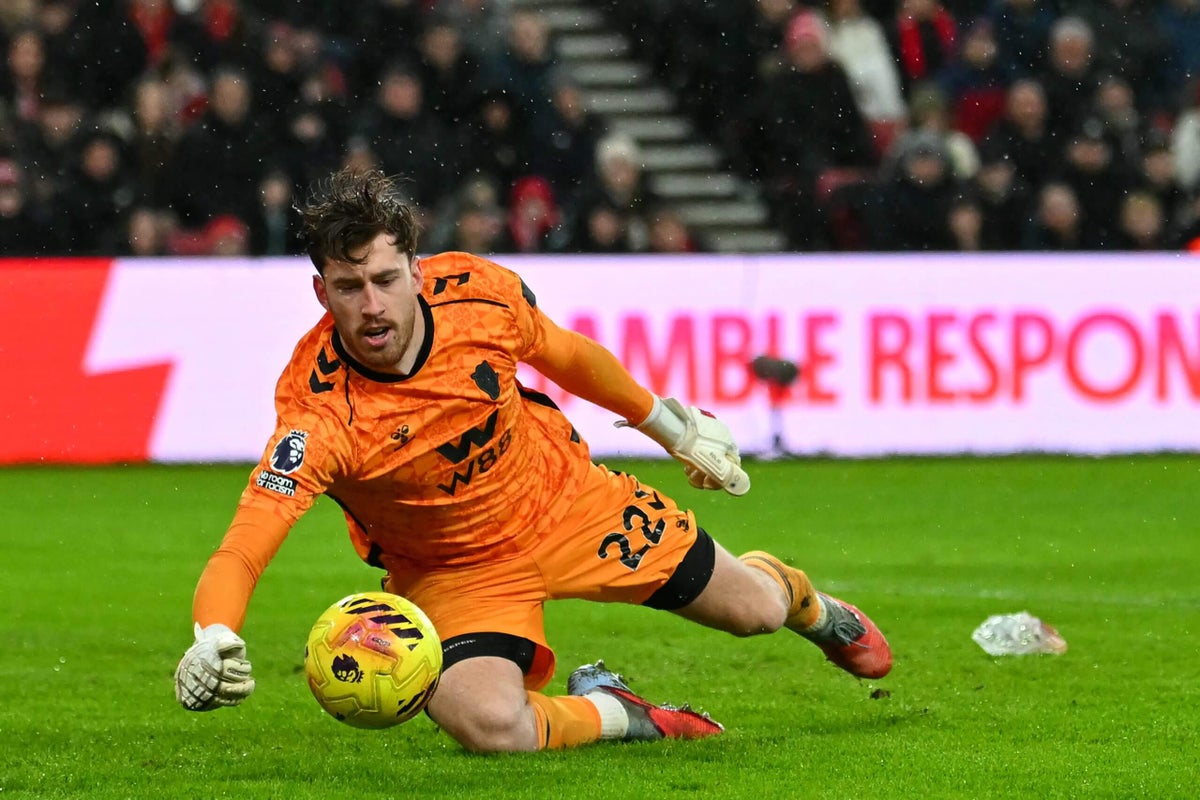
Сүүлийн жилүүдэд Премьер лигийн багууд бөмбөг эзэмшилт, дамжуулалтаас илүүтэйгээр хаалгачийн хаалт хийх чадварыг нэн тэргүүнд тавих тактикийн өөрчлөлтийг хийж эхэллээ.
Сүүлийн хэдэн улирлын туршид Премьер лигийн багууд хаалгачийг зөвхөн довтолгоо эхлүүлэх, бөмбөг эзэмшилтэд туслах хэрэгсэл гэж үзэхээс илүүтэйгээр үндсэн үүрэг болох хаалга руу ирсэн цохилтуудыг хаах чадварыг нь илүүтэй үнэлэх хандлагатай боллоо. 2022-2023 оны улиралд Саутхэмптон, Лидс зэрэг багуудын хаалгачид хаалт хийх тал дээр хангалтгүй тоглолт үзүүлж, олон гоол алдсанаар багууд нь хүснэгтийн доод хэсэгт бичигдэж байв. Энэхүү сөрөг үзүүлэлт нь Премьер лигийн багуудын удирдлагуудыг хаалгачийн сонголтондоо илүү нухацтай хандахад хүргэсэн байна.
Өнгөрсөн улирлуудад Премьер лигт хүч үзэж буй багууд хаалгачийн хаалт хийх чадварыг (PSxG) нарийн хэмжигдэхүүнээр үнэлж, илүү найдвартай тоглогчдыг эгнээндээ нэгтгэх болжээ. Тухайлбал, Ипсвич Таун өндөр нуруутай хаалгачдыг сонирхож буй бол Халл Сити 20 сая фунт стерлингээр Константинос Тзолакисыг элсүүлсэн нь хаалгачийн үндсэн үүрэг рүү анхаарлаа хандуулж буйн илрэл юм.
Премьер лигийн багууд тактикийн хувьд өөрчлөгдөж, зөвхөн дамжуулалтад анхаардаг хаалгачдаас илүүтэйгээр хаалга руу чиглэсэн цохилтуудыг найдвартай хаадаг тоглогчдыг илүүд үзэж байна. Энэ нь Премьер лигийн хөлбөмбөг улам бүр өрсөлдөөнтэй болж, хамгаалалт болон хаалгачийн үүрэг роль улам бүр тодорхой болж байгааг харуулж байна.
Дэлгэрэнгүйг эх сурвалжаас харах
↓Эх сурвалжийг нээх ↓
One key lesson from recent Premier League seasons is something so basic that it probably shouldn’t need spelling out: If you want to avoid relegation, it’s helpful to have a goalkeeper who can keep the ball out of the net.
You’ve probably worked this out already, but there is a genuine point here. As technical, possession-based build-up play has come to dominate professional football, there has been an increasing emphasis upon a goalkeeper’s distribution above traditional aspects of the position.
One Arsenal academy goalkeeper was recently interviewed in the matchday programme about his style of goalkeeping, and said his main strength was ‘reading the opposition press’. This would once have been considered an exotic add-on to the standard goalkeeping skill set. But young goalkeepers came to base their game around playing out through pressure.
There is, of course, logic behind that approach. Playing out from the back is not merely about starting attacks, but it’s an effective way of holding onto possession and therefore a decent defensive tactic too. If your goalkeeper can help retain the ball, he should have fewer shots to save.
Football changes quickly, though, and last season goalkeepers discovered that after a few years of distribution-based analysis, their main responsibility was suddenly coping with physical pressure at inswinging corners. The slight, technical goalkeepers that were in fashion a couple of years ago suddenly felt unsuited to basic tasks.
Saves remain a decisive part of football, at all levels (Alex Pantling/Getty Images)
On a different note, in recent seasons it has felt like underdogs — Burnley under Vincent Kompany, Southampton under Russell Martin — were trying to replicate the style of the top teams without considering whether they needed a different approach.
Managers of title challengers can reasonably conclude that their goalkeeper might only need to make a couple of saves per game, but will touch the ball with his feet 30 times — so the emphasis should be more on his footballing skills than his shot-stopping.
That obviously won’t be the case lower down the league. Where’s the tipping point? Here’s a graph showing the involvement of each Premier League club’s goalkeepers last season, in terms of passes played and shots on target faced.

The obvious conclusion here is that the goalkeepers at the three relegated sides — West Ham, Wolverhampton Wanderers and Burnley — were forced into saves, on average, about twice as often as Arsenal’s David Raya.
What Premier League clubs have shifted away from is — and apologies for the bluntness here — tolerating goalkeepers who aren’t good enough at saving shots. For example, both Burnley and then Ipswich placed too much faith in Arijanet Muric, who developed in Manchester City’s academy in the early Pep Guardiola era. He constantly made terrible mistakes.
Using post-shot expected goals (PSxG) figures, a metric that takes into account not only the position a shot was taken from, but the location it ended up in, we can analyse the shot-stopping performance of each side’s goalkeeper(s) from recent seasons.
That shows that 2022-23 was a real low point for goalkeeping, and the worst performance came from then-Southampton goalkeeper Gavin Bazunu, another young goalkeeper signed from Manchester City. He was heralded as a modern goalkeeper, comfortable playing clever passes into midfield. But he wasn’t anywhere near good enough at shot-stopping. He and backup Alex McCarthy, who played six games, were so bad that Southampton conceded 22 more goals than they should. Unsurprisingly, they finished bottom.

Leeds, meanwhile, placed great faith in young Frenchman Illan Meslier, who was physically slight but initially confident playing out from the back. Again, he wasn’t a good shot-stopper. Leeds conceded 12 more goals than they should, and finished second-bottom. Southampton and Leeds were joined in the bottom three by Leicester, whose first-choice goalkeeper Danny Ward also had a terrible season. They were roughly seven goals down.
Let’s take that figure of -7 as the cut-off for ‘a bad goalkeeping season’.
The following year, there were six clubs whose goalkeeping performance was below that level, dominated by Nottingham Forest, who used Matt Turner and Mats Sels at different stages in the season. Their points total was bad enough for relegation in some other seasons, but luckily for them, the three promoted sides were truly hopeless. Sheffield United’s Wes Foderingham, who had spent most of his career in the lower leagues, clearly wasn’t up to scratch.

But over the last couple of seasons, Premier League goalkeepers have been… actually rather good. And it seems managers have realised that you simply cannot afford to have an unreliable shot-stopper.
Two seasons ago, no Premier League club’s goalkeeper was close to that figure of -7.

That pattern stayed broadly consistent last season, when Liverpool and Tottenham’s goalkeepers performed badly, but not atrociously. Most others recorded reasonable or good numbers — there simply weren’t goalkeepers as poor as Bazunu, Ward, Turner or Meslier as first choices in the Premier League.
Teams are recruiting, and therefore fielding, better shot-stoppers. It’s interesting that last summer, even Guardiola turned to Gianluigi Donnarumma, a rare old-school Italian goalkeeper who is an excellent shot-stopper, but relatively poor in terms of distribution.
But it is inevitably more important for the bottom-half sides — and indeed the promoted sides. Of last season’s promoted trio, Sunderland’s Robin Roefs and Burnley’s Martin Dubravka both recorded positive numbers. Leeds’ figures weren’t particularly bad at all, but they’ve nevertheless seen fit to bring in a new goalkeeper for this season, James Trafford.

Ahead of the new season, the three promoted sides have all spent decent sums on goalkeepers.
Notably, Ipswich Town have recruited two Dutch goalkeepers who, while comfortable with their feet, are absolutely massive even by the standards of goalkeepers. Kjell Scherpen is 6ft 9in (206cm), and Kayne van Oevelen is 6ft 6in (198cm). Being physically dominant doesn’t automatically translate into being good at saving shots, of course, but bigger goalkeepers suddenly seem more vaunted.
Similarly, Hull City have spent £20m on Greek No 1 Konstantinos Tzolakis, renowned for, above all else, pulling off excellent saves.

Ipswich have brought in the gigantic figure of Kjell Sherpen this summer (Jill Delsaux / BELGA MAG / AFP via Getty Images)
Coventry, meanwhile, have opted to spend a similar amount on a loanee from last year, Carl Rushworth. Again, he is strong in the traditional elements of goalkeeping. The figures from the Championship last season demonstrate his effectiveness in terms of keeping the ball out of the net.
He’ll presumably need to show those qualities on his Premier League debut, away to champions Arsenal tonight.

After a period where Premier League football was largely progressive and forward-thinking, recent years have felt somewhat retro: a focus on inswinging corners, long throws and winning duels.
That sense is epitomised by the reversion to goalkeepers who can, unlike some of the strugglers from 2022-23, actually make saves on a consistent basis.


