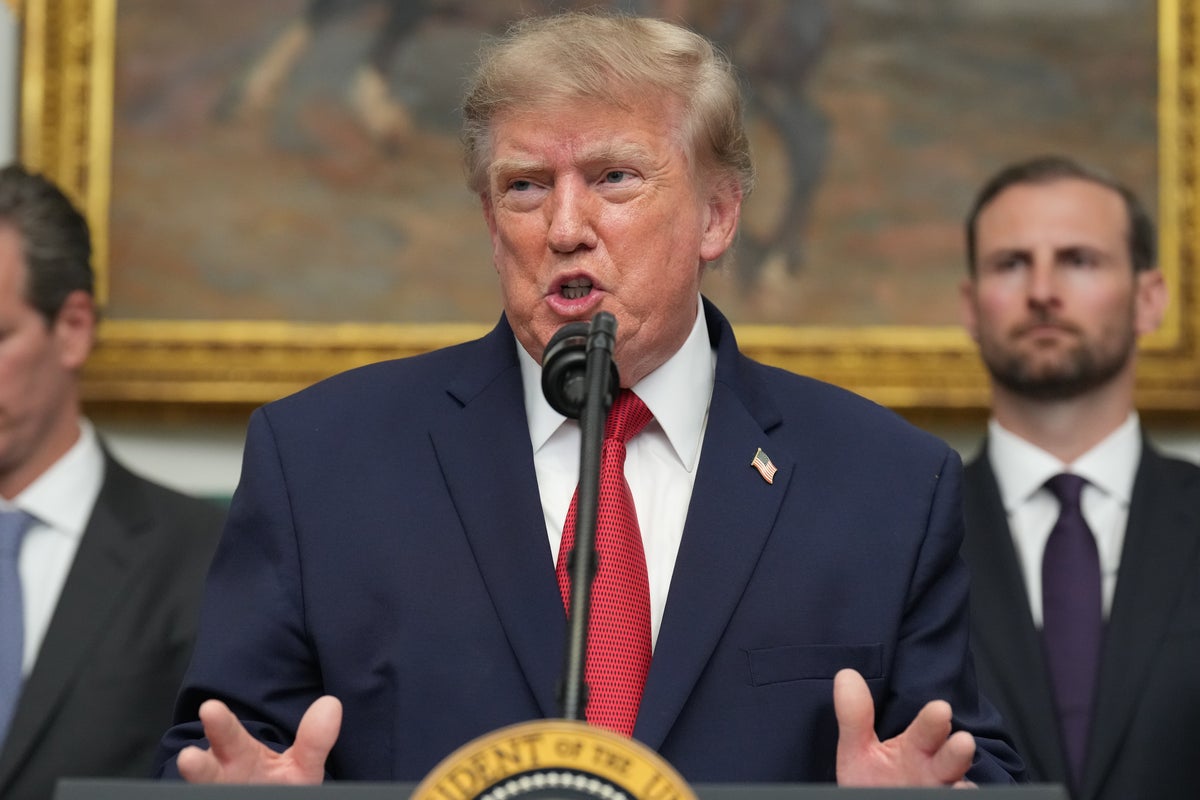
АНУ-ын эрх баригчид Ираны эсрэг санхүүгийн томоохон дайралт хийхээр зэхэж байгаа бөгөөд үүнийг “эдийн засгийн D-Day” хэмээн нэрлэж байна.
АНУ-ын Сангийн сайд Скотт Бессент энэхүү арга хэмжээг Ираны эсрэг чиглэсэн хамгийн хүчтэй санхүүгийн дайралт гэж тодорхойлжээ. Даваа гарагт зарлахаар төлөвлөсөн энэхүү шийдвэрийн сургаар Ираны үндэсний валютын ханш түүхэн доод түвшинд хүрчээ. Тегеран уг алхмыг “эдийн засгийн терроризм” хэмээн эсэргүүцэж, хариу арга хэмжээ авна гэдгээ мэдэгдсэн байна. Ираны Аюулгүй байдлын албаны дарга Мохсен Резаеи хэрэв бүс нутгийн улс орнууд АНУ-ын талд орж эдийн засгийн дайн өдөөвөл Персийн булан болон Хормузын хоолойгоор дамжин өнгөрөх газрын тосны тээвэрлэлтийг зогсооно гэж анхаарууллаа.
Шинжээчдийн үзэж буйгаар АНУ-ын зүгээс Ираны газрын тосны салбарт оролцогч банк, тээврийн компаниуд болон даатгалын байгууллагуудад хоёрдогч хориг арга хэмжээг чангатгах магадлалтай байна. Гэвч Иран улс олон жилийн турш хоригоос тойрч гарах сүлжээг бий болгосон тул энэ нь төдийлөн үр дүнтэй байх эсэх нь эргэлзээтэй байгаа юм. Ялангуяа Ираны газрын тосны гол худалдан авагч болох БНХАУ-ын эсрэг хязгаарлалт тогтоох нь АНУ-д эдийн засаг, дипломатын хувьд өндөр зардалтай байж болзошгүй гэж Чатам хаусын шинжээч, доктор Нейл Куиллиам дүгнэжээ.
АНУ-ын Сенатын танхим ОХУ-ын эсрэг авч хэрэгжүүлэх хориг арга хэмжээний багцын хүрээнд Ираны эсрэг шинэ хориг тогтоох, улмаар Тегераны худалдаа болон зэвсэг худалдан авалтад туслалцаа үзүүлж буй улс орнуудад тарифын арга хэмжээ авах эрх мэдлийг ерөнхийлөгчид олгох хуулийн төслийг баталсан байна. Гэвч уг хууль Төлөөлөгчдийн танхимаар батлагдах шаардлагатай байгаа бөгөөд хориг арга хэмжээний үр нөлөө нь хууль эрх зүйн хэрэгжилт болон БНХАУ зэрэг томоохон түншүүдтэй харилцах харилцаанаас шууд хамаарах юм.
Дэлгэрэнгүйг эх сурвалжаас харах
↓Эх сурвалжийг нээх ↓
The U.S. is set to unveil its plan for the “toughest sanctions in history” against Tehran on Monday after days of threats about an “economic D-Day”.
Treasury secretary Scott Bessent called the impending measures “the single greatest financial offensive ever marshalled against an adversary” in an op-ed in the Financial Times published on Sunday.
Bessent is expected to make the announcement at a press conference at around 7pm BST (2pm ET). Iran’s currency hit a record-low on Monday amid the threats.
Iran has threatened an “earthquake-like” retaliation if the U.S. went ahead with its plan and warned Gulf neighbours against supporting or joining the sanctions. The measures are expected to impact Tehran’s trading partners including China.
“If the countries surrounding Iran join the Americans in their economic war, not a drop of oil will leave the Persian Gulf and the Strait of Hormuz, and we will also target other oil export routes from the Persian Gulf,” said Iranian security chief Mohsen Rezaei last week.
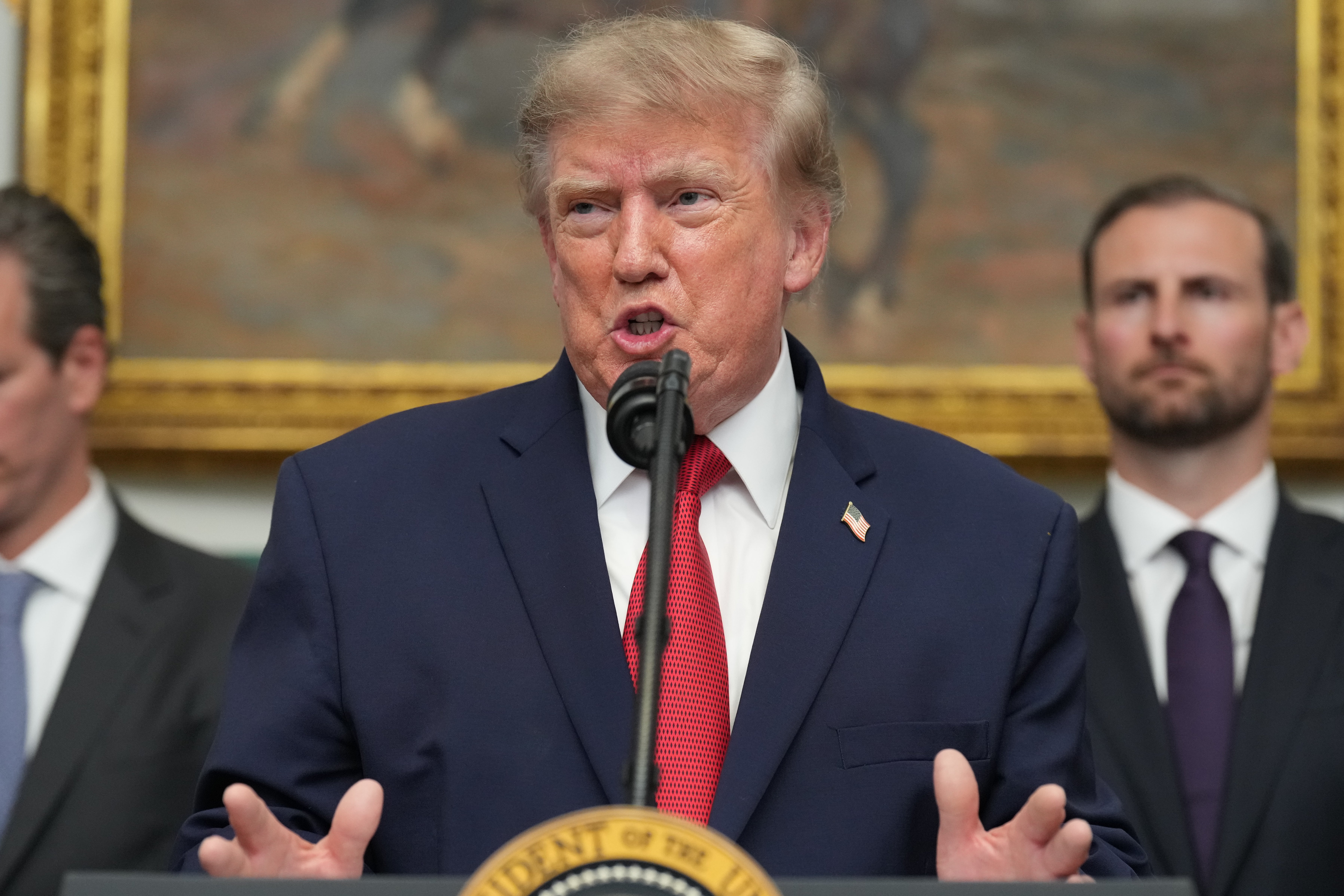
Tehran called the threats “economic terrorism” with foreign minister Abbas Araghchi saying that the scheme would only bring President Donald Trump “further defeat”.
“The so-called ‘Economic D-Day’ is a diversion from America’s own crisis: unprecedented debt & surging interest costs,” he wrote in a post on X on last Thursday, alongside screenshots of news headlines and graphs about America’s economic troubles.
“Doubling down on failed policies will only bring further defeat—and enmity of Iranians. US economic terrorism threatens global economy and sovereignty worldwide.”
What kind of sanctions could Trump impose?
The U.S. had agreed to lift sanctions on sales of Iranian oil for the duration of a 60-day ceasefire that expired last Monday, but these were reimposed after the deal collapsed amid disagreement over the Strait of Hormuz last month.
For decades, it has imposed measures such as freezing assets, implementing trade embargoes and applying sanctions against Iran over issues such as its nuclear development and human rights violations.
Since the war, Washington has also imposed a naval blockade, restricting Iranian oil exports as well as levying additional maritime and energy sanctions since the war broke out.
Trump could escalate the situation by imposing secondary sanctions on third parties. However, he is limited in what he can enforce, say experts.
“The most likely step is tighter enforcement of secondary sanctions against companies, banks, insurers and shipping operators involved in Iranian oil exports,” says Dr Neil Quilliam, an energy policy, geopolitics and foreign affairs specialist, at Chatham House.
“The aim would be to make it more difficult and costly for third parties to do business with Iran, even if they are not based in the U.S.”
This is in line with what Trump has threatened, but Dr Quilliam says that even this could prove ineffective if the measures do not extend to China.
Could these sanctions have any impact on Iran’s economy?
Iran appears to have profited from the outbreak of conflict, with the country’s semi-official Fars news agency reporting that the country generated $7.5bn in oil revenues over the first four months of the year.
Citing the Iranian oil ministry, the agency said that this marked a revenue that is 1.5 times larger than the amount generated in the same period last year and is expected to cover the government’s foreign currency expenses for the rest of the year. These figures could not be independently verified.
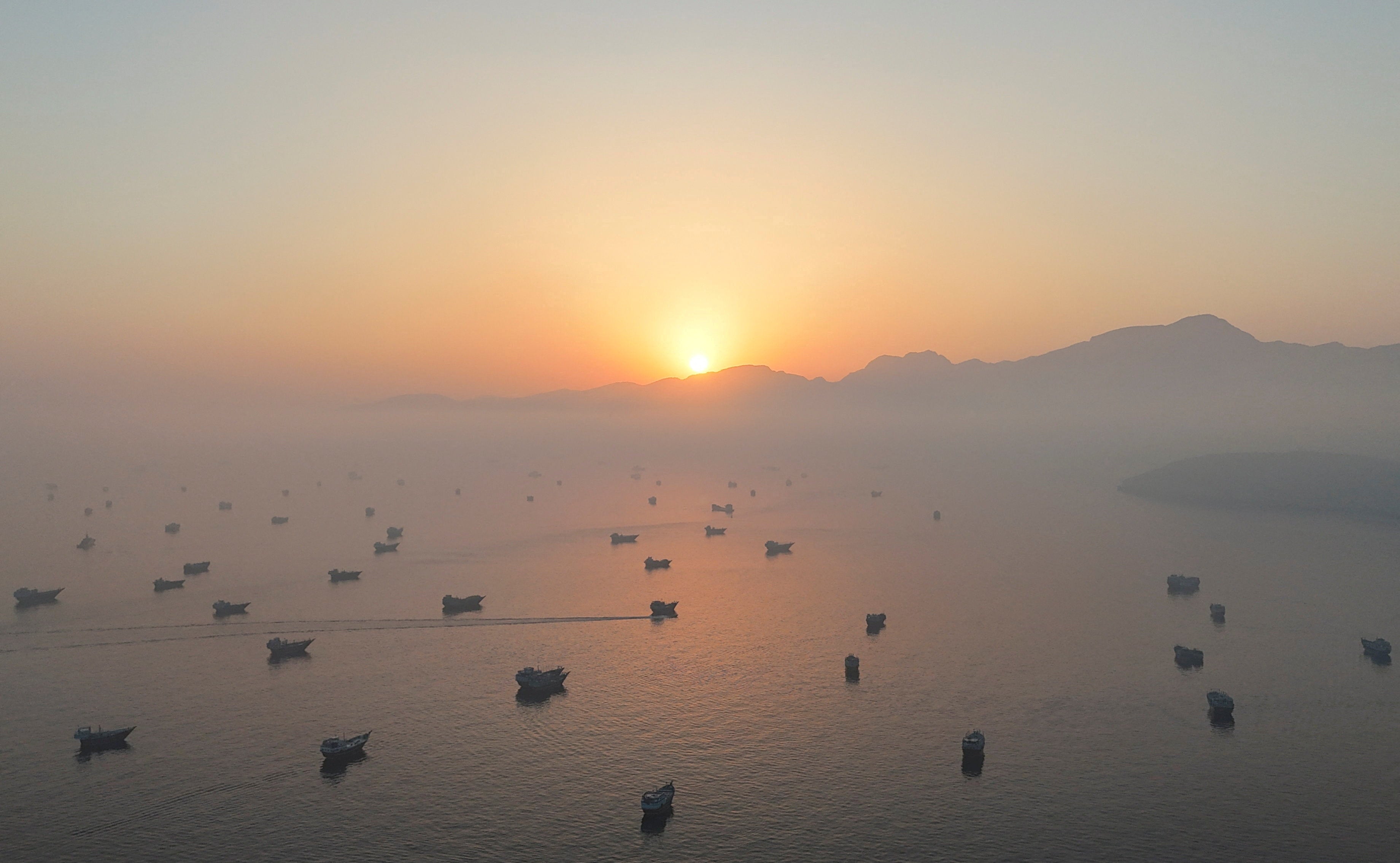
Iran has developed ways to circumvent the worst impact of sanctions, including the use of shadow fleet tankers, floating storage and the use of alternative ports.
Dr Quilliam says that while further sanctions could increase pressure on Iran’s economy, alone they are unlikely to be decisive.
“Iran has spent years building networks to evade restrictions and has become adept at finding alternative routes to market,” he says.
“The greater challenge for Tehran would come if Washington succeeded in reducing demand for Iranian oil rather than simply targeting supply.”
Why China is so important
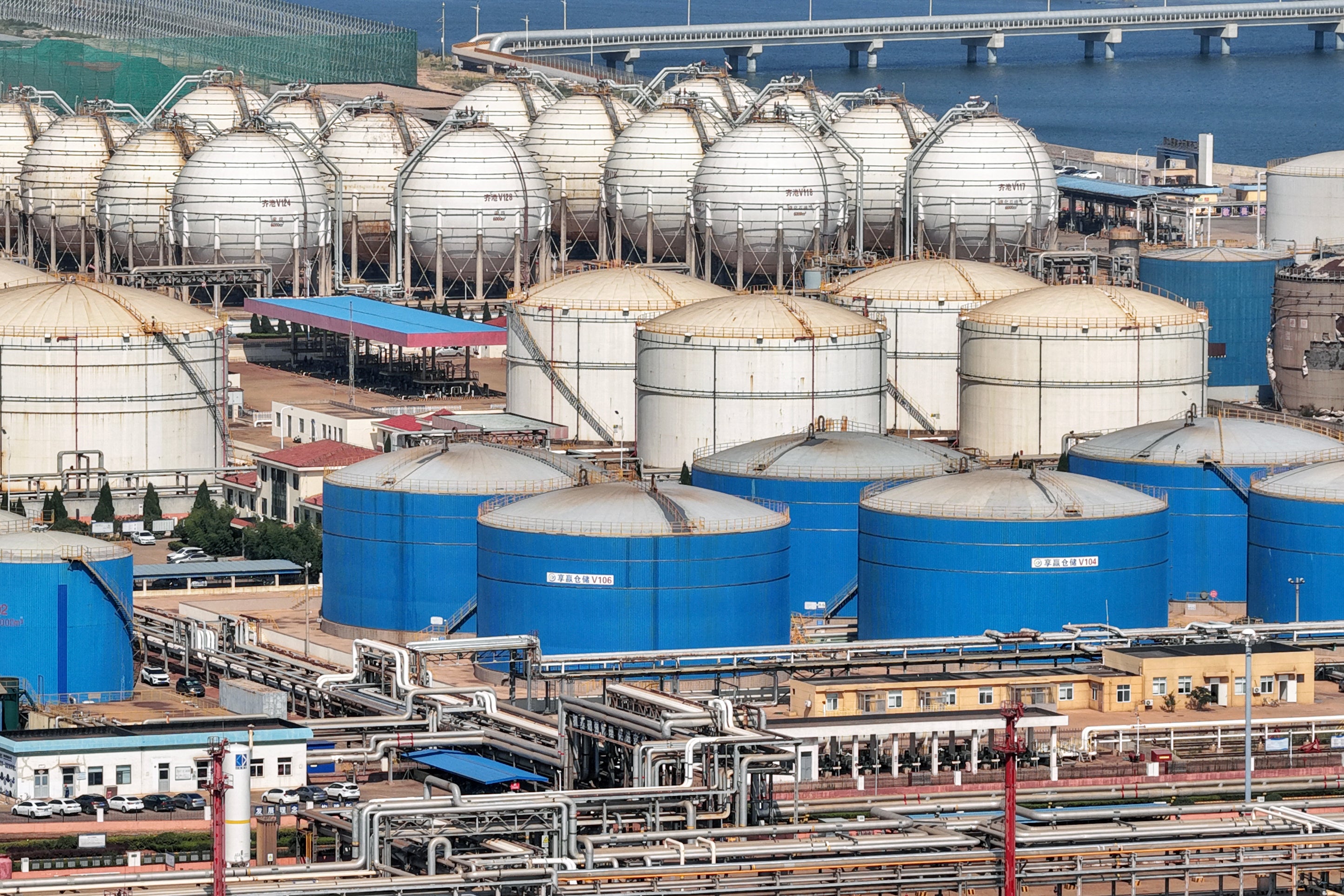
He says that the key issue here is China, which purchases 80 per cent of Iran’s oil. On Monday, China’s foreign ministry said that Beijing would be monitoring the developments closely and would do what is necessary to protect its rights.
“The U.S. has repeatedly identified Chinese entities as facilitators of Iranian oil exports, but applying penalties on a large scale could have wider economic and diplomatic consequences.”
Iran has attempted to dodge the effects of this by offering discounts to Chinese companies.
“The credibility of Trump’s threat will depend on whether he is prepared to target major buyers as well as Iran itself,” continues Dr Quilliam.
“The bigger question is whether Washington is willing to bear the economic and diplomatic costs of targeting major buyers, especially in China, as well as close allies, such as the UAE, which remains a key node in capital flows for Iran, though cut financial ties on Tuesday.
“That is where rhetoric meets reality. There are also so many areas where the oil and/or money is moved – Iraq, UAE, Malaysia, overground routes Pakistan, Türkiye, Central Asia – so there is a lot to capture.”
Should Trump’s threat be taken seriously?
Trump has developed a notorious reputation for issuing stern threats before later reneging on them – earning him the infamous ‘TACO’ nickname (Trump Always Chickens Out) on Wall Street.
But despite this, Dr Quilliam says that the repercussions of sanctions on Iran could still be dire.
“Trump’s threat should be taken seriously, but its effectiveness depends on enforcement,” he says.
Secondary tariffs have been struck down by the Supreme Court on numerous occasions. Nevertheless, Trump could still sanction smaller “teapot” refineries in China that account for around 25 per cent of Chinese refinery capacity, sanction Chinese banks and impose a land blockade.
Earlier this month, the Senate passed a Russia sanctions bill that included new Iran sanctions and could give Trump new tariff powers that he could potentially use against countries that aid Tehran’s commerce and weapons procurement.
But the legislation must still pass the U.S. House of Representatives, which could prove challenging given widespread concerns across both parties about the measures. Treasury secretary Scott Bessent said that the US would impose measures on Tehran that have “never been seen” before.
“The U.S. can aim to tighten pressure on Iran’s oil exports and the commercial networks that support them but the timelines for implementing complex sanctions like this are lengthy, and impact would be far from immediate.”

