Судлаачид хүн зөвхөн амьдрах орчныг өөрчлөхөөс гадна биечлэн ойр байх нь амьтдын зан төлөвт хэрхэн нөлөөлдгийг тогтоов.
Калифорнийн их сургууль, Смитсоны хүрээлэн болон Йелийн их сургуулийн эрдэмтдийн хамтарсан баг АНУ-ын нутаг дэвсгэрт 37 зүйлийн 4,581 хөхтөн амьтан, шувууны GPS хөдөлгөөнийг гар утасны байршлын мэдээлэлтэй харьцуулан судалжээ. COVID-19 цар тахлын үеийн хөл хорио нь хүний шилжилт хөдөлгөөн эрс өөрчлөгдсөн “антропауз” хэмээх ховор боломжийг бүрдүүлсэн бөгөөд энэ нь хүний биет оролцоо ба газрын гадаргын өөрчлөлтийн нөлөөг тус тусад нь ялгаж судлах боломжийг олгосон байна. Science сэтгүүлд нийтлэгдсэн уг судалгаагаар амьтдын зан төлөв зөвхөн тухайн орчны өөрчлөлтөөс гадна тухайн бүс нутагт хүн хэр ойр байгаагаас шууд хамаардаг болох нь тогтоогджээ.
Судалгаанд хамрагдсан амьтдын 57 хувь нь хүний биечлэн орших болон хүрээлэн буй орчны өөрчлөлт гэсэн хоёр хүчин зүйлийн аль алинд нь хариу үйлдэл үзүүлдэг болох нь илэрсэн байна. Тодруулбал, хөхтөн амьтдын 67 хувь, шувуудын 68 хувь нь хүний оролцооны улмаас эзэмшил нутаг эсвэл экологийн орон зайгаа өөрчилжээ. Хүний нөлөөнд хамгийн их өртөмтгий амьтад нь үндэсний цэцэрлэгт хүрээлэн зэрэг хүний үйл ажиллагаа багатай бүс нутагт амьдардаг болохыг эрдэмтэд онцолсон байна.
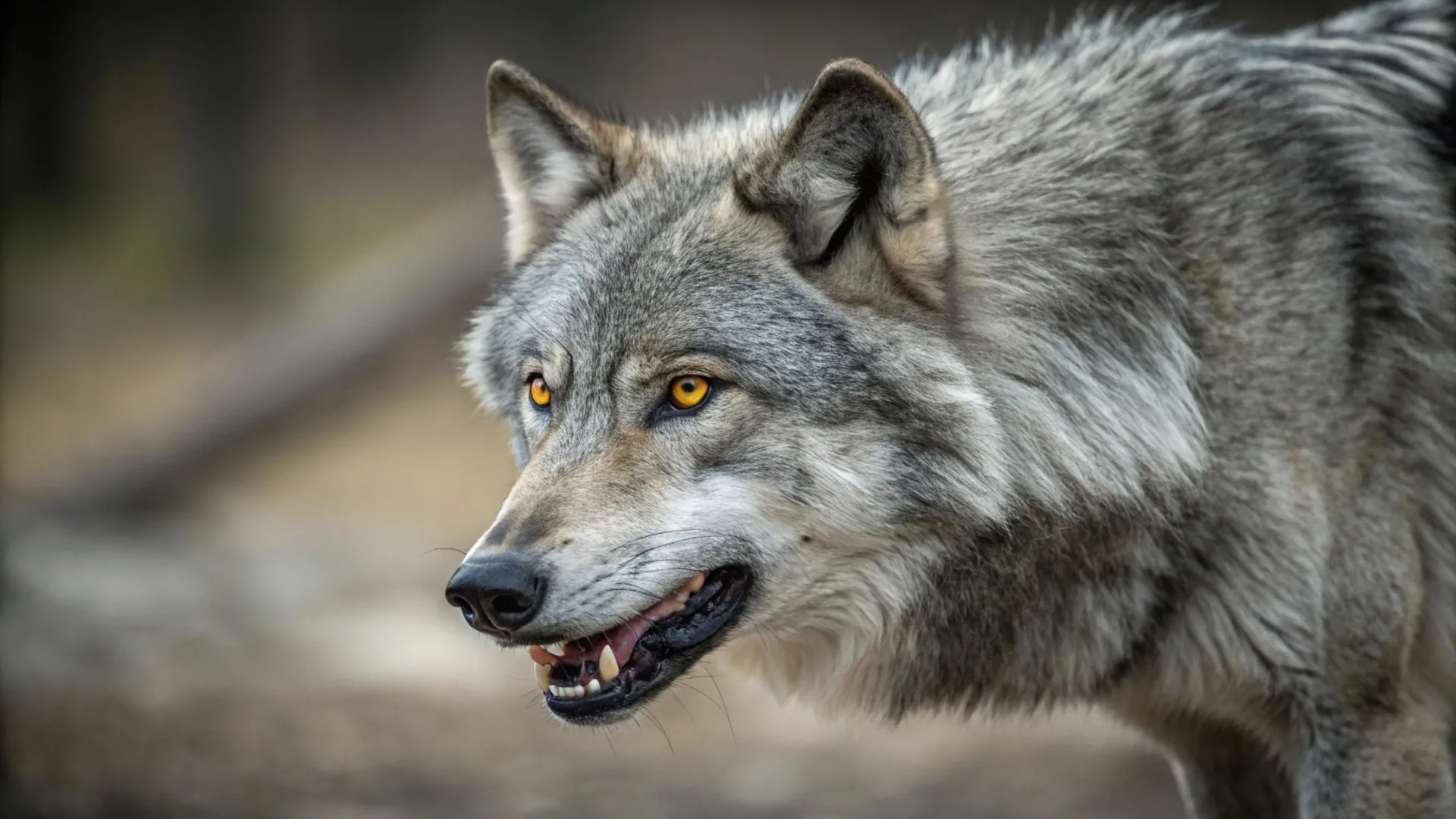
Амьтдын хариу үйлдэл нь зүйл бүрд харилцан адилгүй байв. Тухайлбал, чононууд хүний үйл ажиллагаанаас холдохын тулд эзэмшил нутгаа тэлдэг бол цагаан сүүлт буга хүний оролцоо нэмэгдэхэд экологийн орон зайгаа хумьдаг байна. Харин элсний тогорууны хувьд үүний эсрэг зан төлөв ажиглагджээ.
Судлаач Рут Оливер тэргүүтэй баг уг өөрчлөлтүүд нь амьтдад дасан зохицоход тусалдаг уу, эсвэл стрессийн шинж тэмдэг үү гэдгийг цаашид нарийвчлан судлахаар төлөвлөж байна. Энэхүү судалгааны үр дүн нь амьтдыг хамгаалах бодлогыг илүү оновчтой, зүйл бүрийн онцлогт тохируулан боловсруулахад чухал ач холбогдолтой юм.
Дэлгэрэнгүйг эх сурвалжаас харах
↓Эх сурвалжийг нээх ↓
For millennia, people have transformed landscapes, forcing wildlife to adjust to cities, farms, roads, and other human activity. But new research suggests animals are responding not only to the environments we build, but also to the simple fact that people are physically nearby.
Researchers from UC Santa Barbara, the Smithsonian’s National Zoo and Conservation Biology Institute, and Yale University combined GPS tracking information from 37 animal species with cellphone location data collected across the United States. The study, published in Science, found that wildlife responses to humans differ substantially depending on the species and on how heavily a landscape has already been altered. Those differences could help scientists develop more precise strategies for wildlife management and conservation.
“Humans have complicated effects on wildlife — from our physical presence to how we reshape habitats — but we can’t understand our full impact without information on both,” said co-lead author Ruth Oliver, an assistant professor in UCSB’s Bren School of Environmental Science & Management.
COVID Lockdowns Created a Rare Wildlife Experiment
COVID-19 lockdown policies dramatically altered where and how people moved. That unusual shift gave researchers a chance to separate the influence of human presence from the effects of permanent changes to the landscape.
The team examined weekly GPS records from 4,581 individual mammals and birds across the continental U.S. during matching periods in 2019 and 2020. Measuring animal movement was relatively straightforward, but determining exactly where people were present required a more detailed source of information than scientists normally have access to.
Public data that precisely tracks human locations and movements is difficult to obtain. Because of this, studies of interactions between people and wildlife often rely on indirect measures such as urban development, agriculture or, during the COVID-19 pandemic, whether an area was subject to lockdown restrictions. These measures provide clues about human activity, but they do not directly show how people are moving.
To overcome that limitation, the researchers used anonymized cellphone geolocation data with neighborhood-level resolution. According to the team, this marks the first time such data have been used to examine how human presence affects animal movement.
“The cell phone data we used was made available to researchers during the pandemic to help reveal the impacts of COVID-19 shutdowns,” said co-lead author Scott Yanco, a research ecologist at the Smithsonian’s National Zoo. “Typically, private companies hold onto these, which made this a rare opportunity for us to quantify how human presence impacts wildlife, and to demonstrate that there is more to consider than just land modification to create robust conservation plans.”
Human Presence and Habitat Changes Work Together
The researchers examined how human activity affected both the physical area used by each animal and its environmental niche, which describes how an animal uses habitats and resources. For most of the species included in the analysis, the researchers found that human impacts could not be fully understood by looking at landscape modification alone. The presence of people also mattered.
Overall, 57% of the species studied were affected by both human presence and landscape modification. Human presence was associated with changes in either the amount of territory occupied or the size of the environmental niche for 67% of mammal species and 68% of bird species.
In many cases, the two human influences were interconnected. The effect of people on an animal depended partly on how much the surrounding landscape had already been modified, and the influence of landscape modification depended partly on how many people were present.
About 67% of mammal species and 41% of bird species responded to the combination of human presence and landscape alteration by reducing the amount of habitat they used. Sensitivity to people was especially strong in places with relatively little development, such as national parks compared with cities.
Wolves, Deer and Cranes Respond Differently
There was no universal response across wildlife species. Wolves, for example, behaved differently from many of the other animals included in the research. Their habitat use expanded in response to humans, potentially reflecting their long and difficult history with people and an effort to spread out or move farther away from human activity.
White-tailed deer showed another pattern. Their environmental niches expanded as landscapes became more modified, but contracted as human presence increased. Sandhill cranes displayed the reverse response.
“These findings highlight the critical importance of species-based conservation,” Oliver said. “Every species has different habitat requirements, has its own particular behavioral tendencies and faces unique threats. Effective conservation requires that we understand the particular challenges that each species faces.”
Lessons From the Global “Anthropause”
The research is part of the COVID-19 Bio-Logging Initiative, an international effort created to study how wildlife responded when pandemic restrictions caused human activity to change dramatically. Researchers referred to this unusual period as the “anthropause.”
Earlier research from the initiative has documented widespread behavioral changes among mammals around the world, major changes in marine traffic patterns and the importance of directly measuring human movement when studying wildlife in the Anthropocene (the time period when human activities have had an environmental impact on the Earth).
The broader collaboration involved 600 partners and assembled 1 billion location records from roughly 13,000 animals to study how human activities influence wildlife.
The new findings show how animal GPS tracking and mobile-device data can support more precise conservation strategies. By combining the two types of information, researchers can distinguish between the effects of human-built infrastructure and the effects caused simply by people being physically present.
Are These Behavioral Changes Helping or Hurting Wildlife?
Oliver and her colleagues are now examining another important question: whether human-driven changes to landscapes and climate influence the likelihood that animals will survive.
“Our current study shows that animals change how they use space and resources, but we don’t know if these changes are helping them adapt or are a sign of stress,” she pointed out. “Our group is now digging into that question by asking whether animals that change their behavior in response to human pressures are at greater or lower risk of dying.”
The unusual conditions created by the pandemic allowed researchers to study human impacts in ways that had not previously been possible. As a result, earlier conservation policies were developed without access to this kind of detailed information about how animals react to human presence.
“Our results give me some optimism that we can achieve wildlife-coexistence through more nuanced policies that more smartly consider where and when we need to give animals space,” Oliver said.
Ben Marcus at the Smithsonian contributed to this story.

