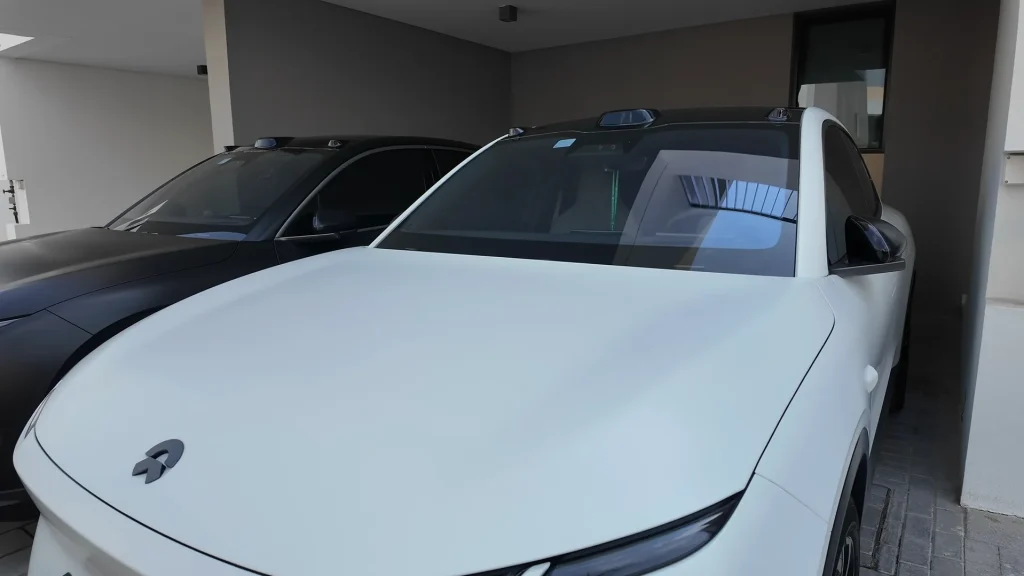
АНУ-ын иргэн Жамилиа Гриер Дубайн халуун уур амьсгалд хоёр ширхэг Nio EC6 цахилгаан автомашин ашиглах нь цахилгааны төлбөрт хэрхэн нөлөөлж байгааг судалсан байна.
Гэр бүлийнхэн нь хоёр цахилгаан автомашин эзэмшиж, 45 хэм хүртэл халдаг цөлийн нөхцөлд агааржуулагчийг тасралтгүй ажиллуулсны үр дүнд сард нийт 3,000 кВт/цаг цахилгаан зарцуулжээ. Үүний 865 кВт/цаг нь хоёр автомашины цэнэглэлтэд зарцуулагдсан бөгөөд 125 кВт/цаг нь нийтийн цэнэглэх станцаас үнэгүй цэнэглэгдсэн байна. Ингэснээр гэрийн цахилгааны төлбөр 970 дирхам буюу 265 ам.доллар болжээ.
Гриерын тооцоолсноор хоёр автомашиныг цэнэглэхэд сард ойролцоогоор 80 ам.доллар зарцуулсан нь нийт цахилгааны төлбөрийн 27 хувийг эзэлж байна. Үлдсэн 73 хувь нь орон сууцны ашиглалтын зардал болжээ. Дубайд худалдааны төв, зочид буудал зэрэг газарт үнэгүй цэнэглэх боломжтой нь цахилгаан автомашин эзэмших зардлыг бууруулахад гол нөлөө үзүүлдэг байна.
Харцуулалт хийж үзэхэд АНУ-ын Финикс хотод ижил хэмжээний цахилгаан зарцуулахад төлбөр нь 500 ам.доллар, Нью-Йоркт 900 ам.доллар хүрэх тооцоо гарчээ. Мөн шатахуунаар ажилладаг ижил ангиллын автомашинтай харьцуулахад цахилгаан автомашины ашиглалтын зардал хамаагүй бага байгааг тэрээр онцолсон байна.
Дэлгэрэнгүйг эх сурвалжаас харах
↓Эх сурвалжийг нээх ↓
Living in the Dubai desert with two EVs sounds like a recipe for a terrifying electricity bill.
Add six people, nonstop air conditioning and 4,500 km of driving, and the numbers should really start getting ugly.
But one woman originally from the US discovered that her monthly electric bill was surprisingly low, even with both EVs charging at home.
And when she compared it with what the same amount of electricity would cost in America, the difference was pretty wild.
Two EVs in the Dubai desert didn’t break the electricity bill
An American lawyer living in Dubai decided to investigate her electricity bill after her family added two Nio EC6 EVs to her household.
The cars covered around 4,500 km, or 2,800 miles, during the month while the family’s villa was dealing with temperatures of around 45°C, or 113°F.
There were six people staying in the house, with the air conditioning running around the clock, including Jamilia Grier herself.
In total, the property used exactly 3,000 kWh of electricity, but despite that huge amount of usage, the bill came to 970 dirhams, or around $265.
Greer then worked out how much of that was actually down to the two EVs, and it seems that, based on their mileage and estimated consumption of around 19 kWh per 100 km, she calculated that the cars used around 865 kWh during the month.
About 125 kWh came from free public charging, leaving roughly 740 kWh to be paid for at home.
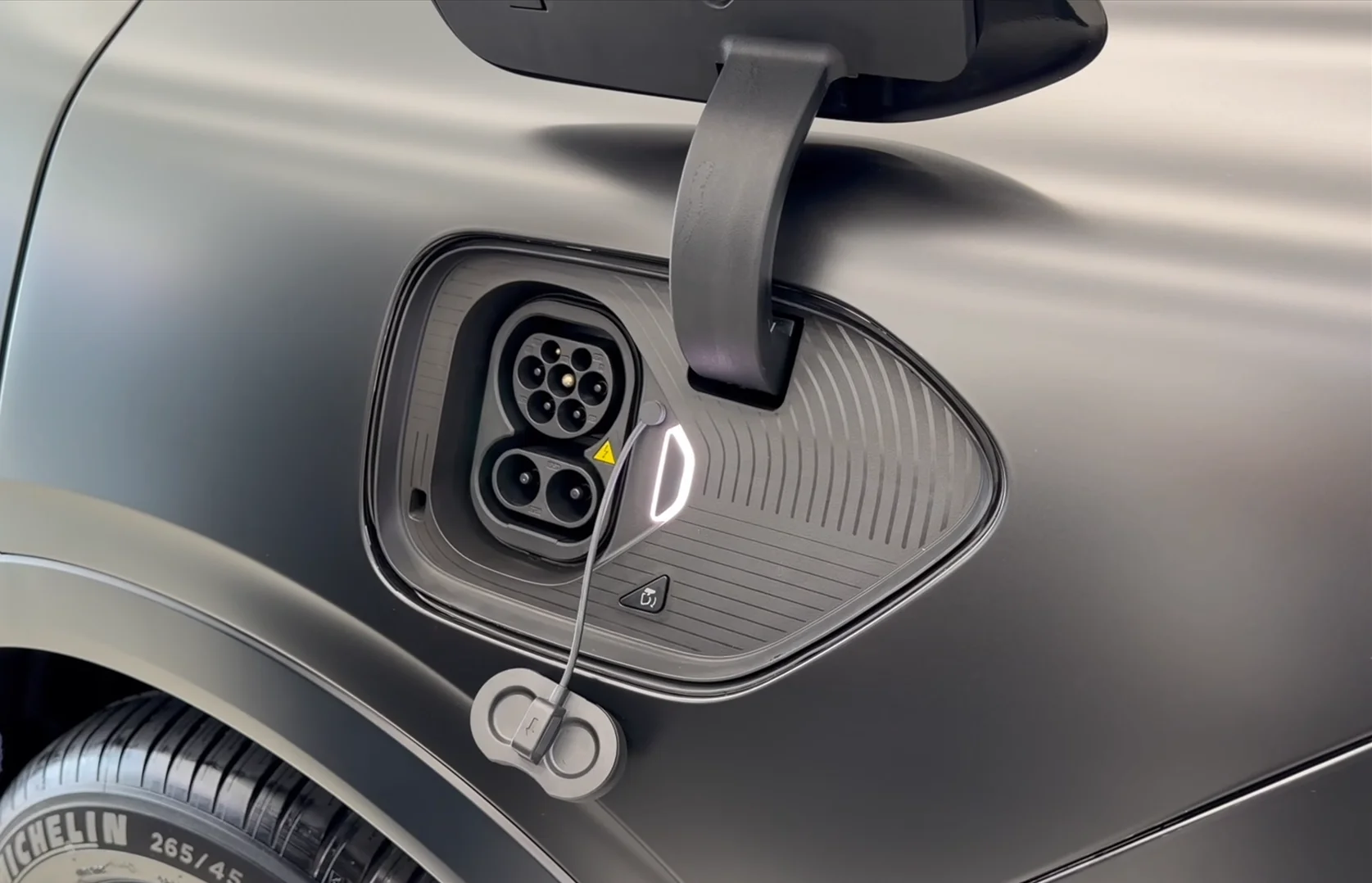
Greer estimated the cost of charging both cars at around $80, meaning they accounted for just 27 percent of the household’s electricity consumption.
The remaining 73 percent was essentially the cost of running the villa.
Dubai also offers another major perk for EV owners: Greer said malls, hotels, souks and other destinations often have free AC charging, meaning some of the family’s driving costs absolutely nothing.

The electricity cost was dramatically lower than America
The really surprising part came when Greer compared her bill with what the same 3,000 kWh consumption could cost in the US.
She estimated that putting the same usage on a meter in Phoenix, Arizona, would result in a bill of just under $500.

New York would be even more expensive, at around $900.
Greer put the average US residential electricity rate at around 18.12 cents per kWh, while Dubai’s more expensive household rate worked out to around 9.7 cents per kWh after additional charges.
Dubai’s public charging rate was capped at around 19 cents per kWh, roughly matching what the average American pays for electricity at home.
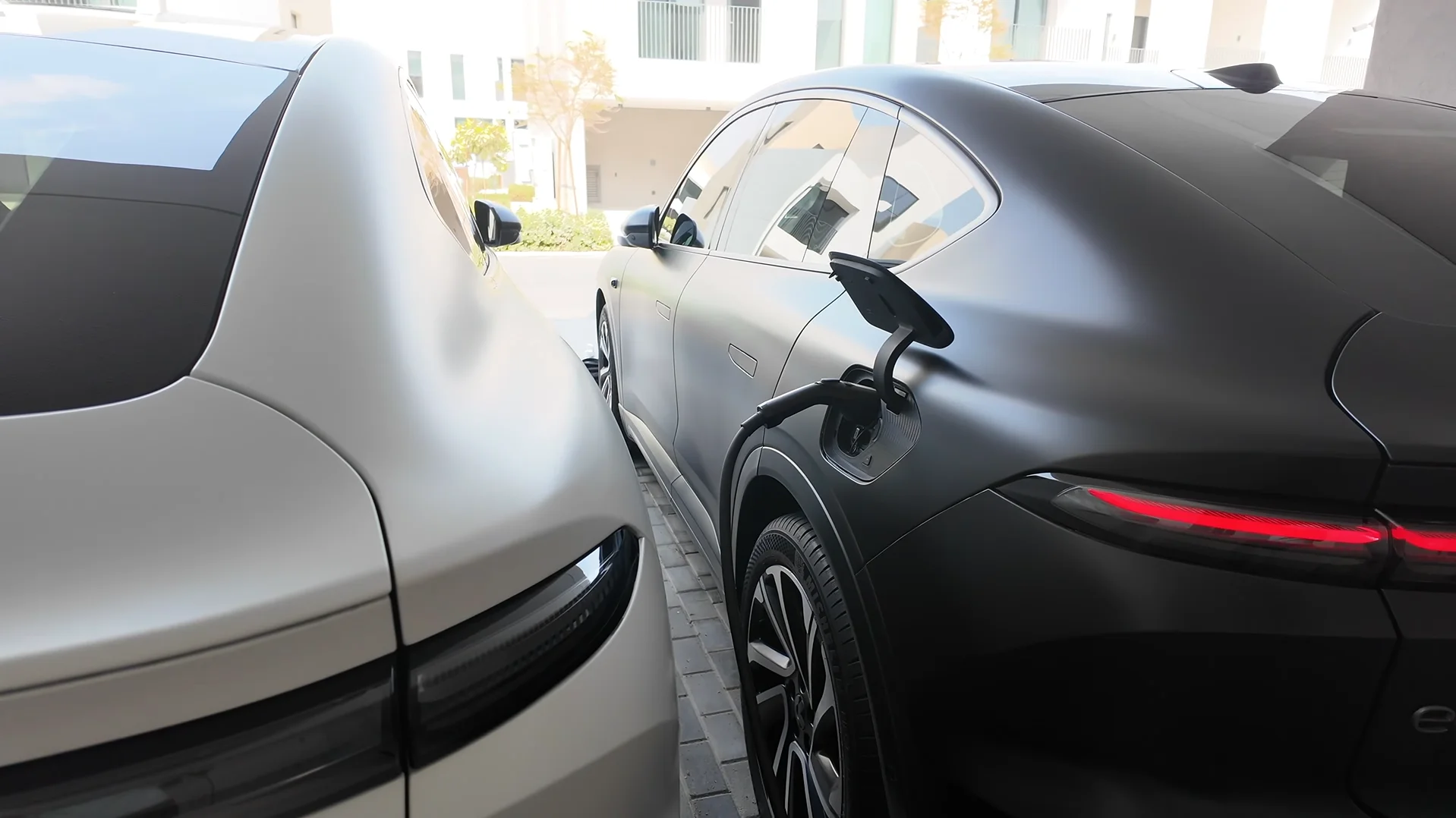
The gasoline comparison made the difference even more striking.
A similarly sized gasoline SUV averaging around 21 mpg would need roughly 135 gallons of fuel to cover the same 2,800 miles.
At $4 per gallon, that would cost around $550, but the two EVs, meanwhile, cost roughly $80 in electricity for the same distance.
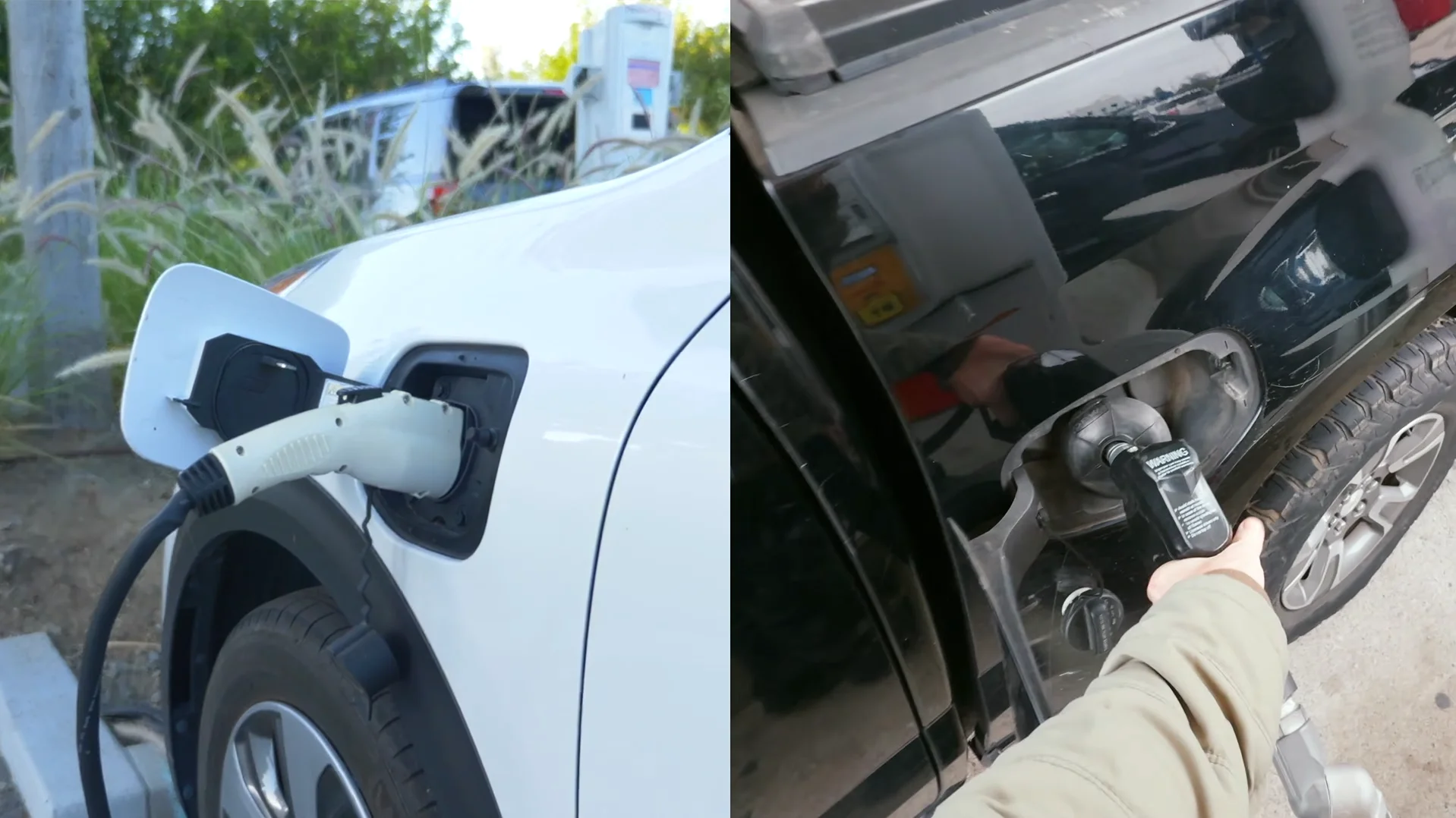
That’s even less than the estimated $89 cost of filling a 22-gallon gasoline tank once.
Greer isn’t claiming her family uses less electricity than Americans, because in fact, she believes they probably use considerably more because of the Dubai desert’s extreme heat and constant air conditioning.

Her point is that the price of electricity can make a bigger difference than the amount being consumed.
For this family in Dubai, owning two large electric SUVs didn’t send the electricity bill soaring; instead, relatively low electricity rates and free public charging made keeping both EVs on the road surprisingly cheap.

