
Австралийн Monash University-ийн судлаачид цагаан талханд бууцай нэмснээр хүний биеийн инсулины хариу урвал болон цатгалан мэдрэмжид хэрхэн нөлөөлдгийг судалсан байна.
“Future Foods” сэтгүүлд нийтлэгдсэн уг судалгаанд 15 эрүүл насанд хүрсэн хүнийг хамруулжээ. Оролцогчид нэг удаагийн туршилтаар бууцайтай талх, дараагийн долоо хоногт энгийн цагаан талх идэж, хариу урвалыг харьцуулсан байна. Бууцайтай талх нь энгийн талхтай харьцуулахад 28 хувиар илүү эслэг, 58 хувиар илүү фолат, 78 хувиар илүү кальци, 90 хувиар илүү төмөр, хоёр дахин их кали агуулж байв.
Туршилтын үр дүнгээс үзэхэд, бууцайтай талх идсэн оролцогчдын инсулины түвшин оргил цэгтээ хүрэх хугацаа 30 минутаар хойшилжээ. Түүнчлэн талх идсэнээс гурван цагийн дараа бууцайтай талх хэрэглэсэн хүмүүс өлсөх мэдрэмж багатай байсан нь илэрсэн байна. Судлаачид үүнийг бууцай нь гэдэс-тархины хоорондох хоолны дуршлыг зохицуулах дохионд нөлөөлж, инсулины ялгаралт болон бодисын солилцоог өөрчилж байгаатай холбоотой байж болзошгүй хэмээн тайлбарлав.
Өмнөх судалгаагаар талхны найрлагад 20 хувийн бууцай нэмэхэд амт, бүтэц, үнэрт өөрчлөлт орохгүйгээр шим тэжээлийн агууламжийг сайжруулдаг болохыг тогтоож байжээ. Гэвч энэхүү арга нь бүхэл хүнсний ногоо орлох боломжгүй бөгөөд үр нөлөөг батлахын тулд илүү олон хүнийг хамарсан судалгаа шаардлагатай байна. 2026 оны зургадугаар сард хийгдсэн өөр нэгэн судалгаагаар вандуйн уураг нь мөн цусан дахь сахарын хэмжээг бууруулж, цатгалан мэдрэмжийг удаан хадгалдаг болохыг харуулжээ.
Дэлгэрэнгүйг эх сурвалжаас харах
↓Эх сурвалжийг нээх ↓
Scientists have figured out how to secretly enrich white bread with spinach – and it could have an immediate and measurable impact on the body’s insulin response.
In a recent crossover trial, funded by Monash University in Australia and published in Future Foods, researchers tested a novel bread recipe on 15 healthy adults.
After a night of fasting, participants were randomized to either consume white bread for breakfast or bread secretly enriched with spinach. The next week, they ate the other type of bread.
Both options smelled and tasted pretty much the same, and participants weren’t told which bread they were eating on either day, although one option was admittedly greenish.
Compared to the white bread, the spinach-enhanced bread contained 28 percent more fiber, 58 percent more folate, 78 percent more calcium, 90 percent more iron, and two times as much potassium.
After breakfast, all participants showed relatively similar blood glucose patterns, regardless of which bread they ate.
But the insulin of those who unknowingly ate spinach did something intriguing.
When participants ate the spinach bread, insulin peaked roughly 30 minutes later than when they ate the white bread.
What’s more, after eating the spinach bread, participants didn’t report the same rise in hunger three hours later that was experienced by those who’d eaten white bread.
“Along with its impact on delaying the insulin peak,” the study authors suggest, “spinach may modulate gut-brain appetite signals to influence later food intake, thereby affecting energy intake and carbohydrate metabolism.”
The research builds on previous studies by some of the same Monash researchers, who are looking for palatable ways to increase daily vegetable consumption.
In 2024, they determined the perfect amount of spinach to add to a bread recipe. If a formulation contained 20 percent spinach, they found its nutritional value was boosted without souring the taste, texture, or aroma.
Now, those loaves have been put to the test in the first small trial of its kind.
Ultimately, researchers found evidence that spinach bread may modestly affect carbohydrate metabolism by altering insulin and appetite responses.
The authors didn’t study the mechanism by which insulin actually impacts appetite, but they have some ideas.
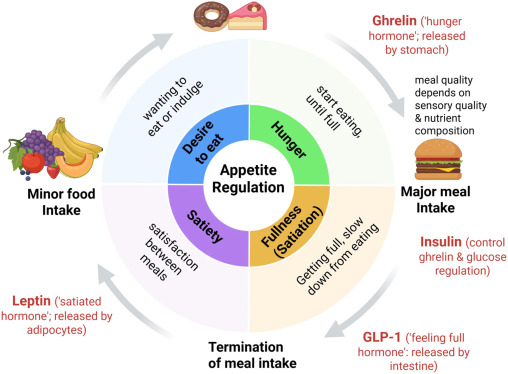
During glucose clearance, insulin partially suppresses hunger hormones, and later, GLP-1 is released.
This is the famous intestinal hormone mimicked by drugs like Ozempic, and it promotes feelings of fullness and reduces the desire to eat.
These are the sorts of gut-brain pathways that spinach could be tapping into, although that needs to be verified in future studies with larger cohorts.
Still, this green vegetable has “great potential” as a secret nutritional agent, argue the trial authors.
“Incorporating spinach into bread substantially improved its nutritional profile without compromising sensory acceptance, supporting metabolic health and aligning with sustainable nutrition goals,” they conclude.
Other researchers are working with different vegetables, like green peas, to achieve similar ends.
For instance, a randomized trial in 2022 found that participants who ate pea-enhanced bread did not show altered glucose patterns. However, they did report higher fullness and lower hunger compared to those who ate white bread.
How the pea is consumed, however, could make a difference.
In June 2026, a double-blinded, randomized controlled trial found that when participants consumed a protein drink enhanced with pea protein before a carb-heavy meal, it significantly lowered their blood sugar levels post-meal.
The pea protein was also associated with increased fullness and reduced hunger up to three hours later.
A slice of spinach or pea bread sounds like an easy way to get your daily dose of vegetables, but it’s unclear whether the nutritional boost provided by these foods is enough to make a real difference to human health.

It’s no replacement for eating whole vegetables, but if numerous staple foods can be enriched in similar ways, it could provide important nutrients to populations experiencing growing levels of malnutrition and metabolic or cardiovascular disorders.
Some researchers in Singapore, for instance, recently argued that if alternative staple foods are made to taste good, they could secretly bestow consumers with health benefits, alleviating concerns like type 2 diabetes.
Similar techniques using fortified iron in cereals, breads, and flour have already helped alleviate nutritional deficiencies in some nations. In fact, clinical studies show that fortified foods are among the most effective ways to ensure healthy iron levels.
Could a future initiative achieve something similar with spinach or peas?
Related: Something Really Cool Happens if You Use Banana Peel as an Ingredient
“To support healthier aging and improve dietary regulation,” argue Monash researchers and their colleagues, “increasing intake of plant-based foods rich in fiber and polyphenols remains a practical and sustainable strategy.”
Green eggs and ham, now with a side of bread.
The study is published in Future Foods.
This article was fact-checked by Fiona MacDonald and edited by Fiona MacDonald. While we pride ourselves on our process, we are only human. If you spot a mistake, please let us know.

