Энэхүү шинэ технологи нь нарны эрчим хүчийг цахилгаан цэнэгт хувиргах явцад үүсдэг эд ангийн эвдрэл болон ашиглалтын хугацааг богиносгох асуудлыг шийдвэрлэх зорилготой юм.
Toyota компани 2025 оны зургадугаар сард АНУ-ын Патент, барааны тэмдгийн газарт шинэ бүтээлийн патент мэдүүлж, энэ оны дөрөвдүгээр сард хэвлүүлсэн байна. Уг шийдэл нь нарны хавтангаас хуримтлагдсан эрчим хүчийг батерей руу дамжуулах явцад ажилладаг цахилгаан хувиргагч төхөөрөмжүүдийн үйл ажиллагааг оновчлоход чиглэжээ.
Уламжлалт системд хувиргагчид ижил тэнцүү ачааллаар ажилладаг тул хэт халах болон холболтын гэмтэл гарах эрсдэлтэй байдаг. Харин Toyota-гийн санал болгож буй систем нь хамгийн их ачаалалтай ажиллаж буй хувиргагчийг ялган таньж, ачааллыг бусад хөргүүр хэсгүүдэд хуваарилах замаар системийн тогтвортой байдлыг хангадаг байна.
Шаардлагатай тохиолдолд хэт ачаалалтай ажиллаж буй хувиргагчийг түр унтрааж, системийн ажиллагааг хэвийн үргэлжлүүлэх боломжтой аж. Гэсэн хэдий ч энэхүү технологи нь одоогоор патентлагдсан шатандаа байгаа бөгөөд үйлдвэрлэлд нэвтрэх эсэх нь тодорхойгүй байна.
Дэлгэрэнгүйг эх сурвалжаас харах
↓Эх сурвалжийг нээх ↓
A patent has been filed by Toyota, that could be a game-changer when it comes to one problem facing a solar-powered EV.
We’ve been hearing more and more about solar cars in recent years.
But there’s one thing that is slowing down progress.
Has Toyota found a solution?
A solar-powered EV is not such an abstract concept anymore
We’re all used to seeing solar panels on top of houses – and they’ve certainly grow in number over the last few years.
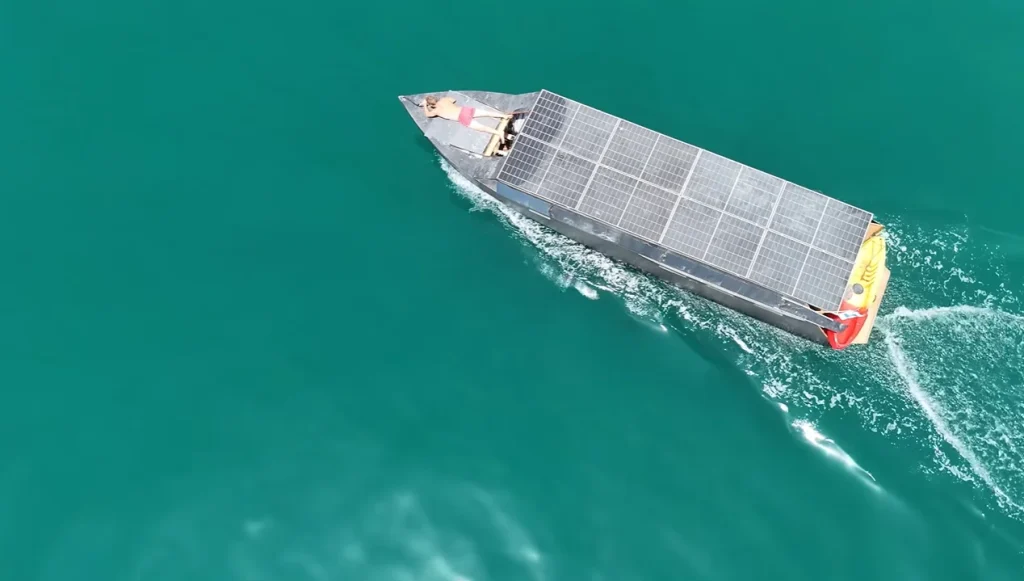
As more and more people are becoming eco-conscious, solar panels have started appearing on things other than roofs, like yachts.
But then there’s solar-powered cars, which have been popping up in increasing numbers.
Plenty of people have tried their hand at making their own,like YouTuber Simon Sörensen, but companies like Solarky have also contributed to the small but growing market.
But despite the enthusiasm, one problem has become a sticking point for solar cars.
This is an issue facing solar cars that Toyota wants to address
When you’re dealing with something as hot as the sun, there’s bound to be complications, right?
Here’s how a solar car would usually work – multiple solar panels feed electricity into a battery through several power conversion devices.
Once in the converters, the power becomes usable electricity.
The only problem is that these converters get hot and over time, the system can be worn out as connections are damaged.
This could lead to shorter lifespans overall.
Not ideal, and that’s where Toyota comes into the picture.
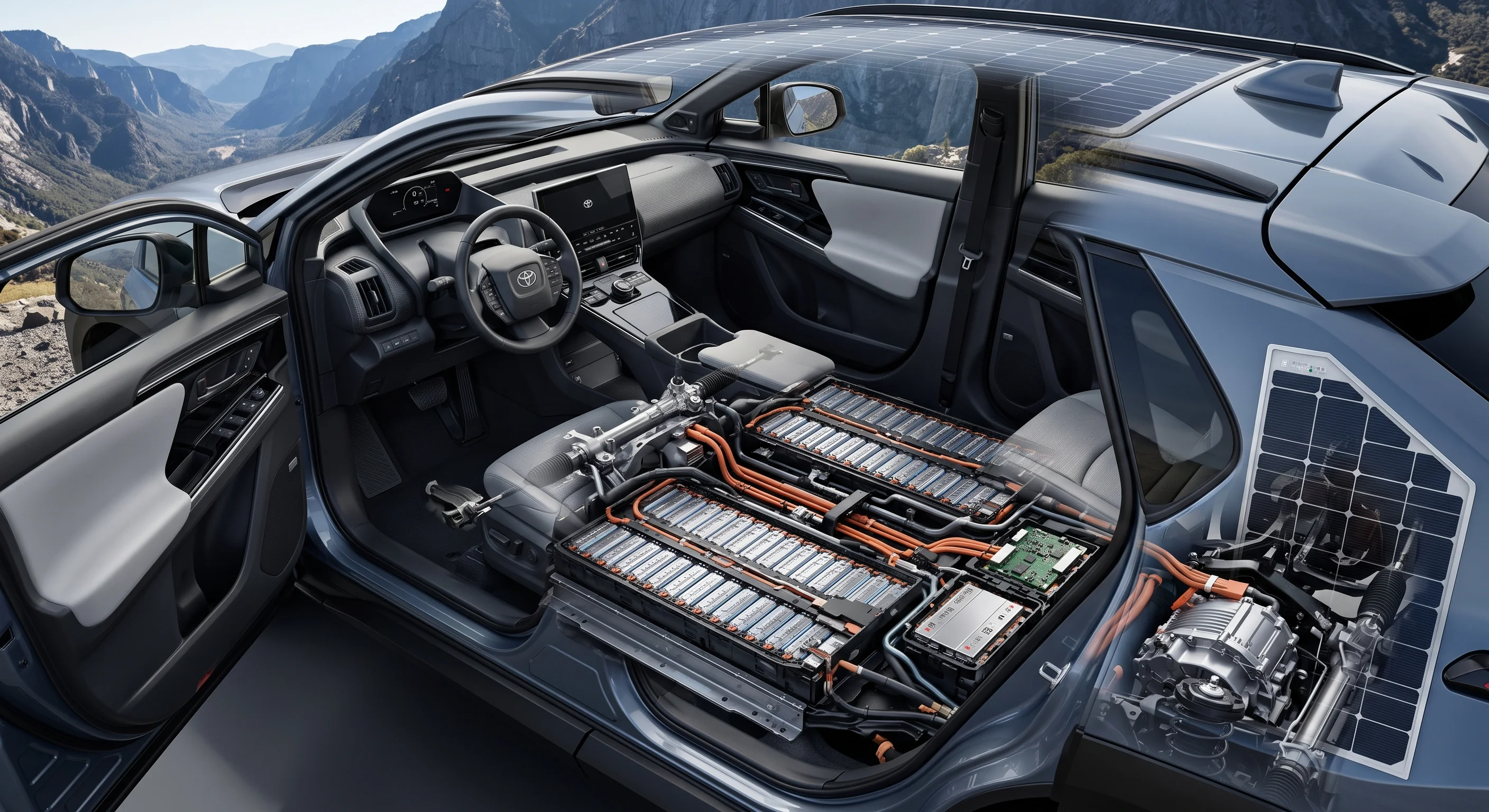
Could Toyota have the answer to this problem?
This patent was filed with the US Patent and Trademark Office in June 2025, going on to be published in April of this year.
It pertains to the hardware that turns sunlight into battery power, rather than the solar panels themselves.
Instead of power going to all the converters equally, Toyota’s proposed system would single out the one working the hardest.
This means the hottest converter would drop the most power, while the cooler ones take on more of the work.
In extreme cases, a heavily loaded converter might even shut down to let the others pick up the pace, autoblog reported.
Whether or not the idea will ever reach production remains to be seen.
Timeline of EVs
1832–1839: Early electric vehicles developed by Scottish inventor Robert Anderson and American inventors – rudimentary battery-powered carriages
1890: William Morrison builds a six-passenger electric wagon in the US, sparking interest in electric cars
1900: Electric cars make up around 28% of all vehicles on American roads
1912: Detroit Electric releases models with 80-mile ranges, making EVs practical for daily driving
1960s: Interest in EVs wanes as cheap gasoline and internal combustion cars dominate
1970s: Oil crises revive interest in alternative fuels, including early electric prototypes
1990: California mandates zero-emission vehicles, leading to GM EV1 and similar experiments
1996: GM EV1 becomes the first mass-produced modern EV, available via lease in California
2008: Tesla Roadster debuts with 244-mile range, proving electric sports cars can compete with gasoline vehicles
2010: Nissan Leaf launches as the first mass-market EV with worldwide availability
2012: Tesla Model S introduces long-range luxury EVs and over-the-air software updates
2016: Chevrolet Bolt EV offers affordable 200+ mile range, pushing EV adoption
2018: Jaguar I-PACE proves electric SUVs can compete with luxury gas models
2020: Porsche Taycan combines EV performance with iconic brand heritage
2021: Rivian R1T and R1S bring adventure-ready electric trucks and SUVs
2022: Lucid Air Dream Edition sets new benchmarks for range and luxury in EVs
2023: Global EV sales surpass 10 million units, signaling mainstream adoption
2024: Solid-state battery prototypes begin testing, promising higher energy density and faster charging
2025:Global EV sales cross the 20 million mark, with one in four cars sold globally being electric

