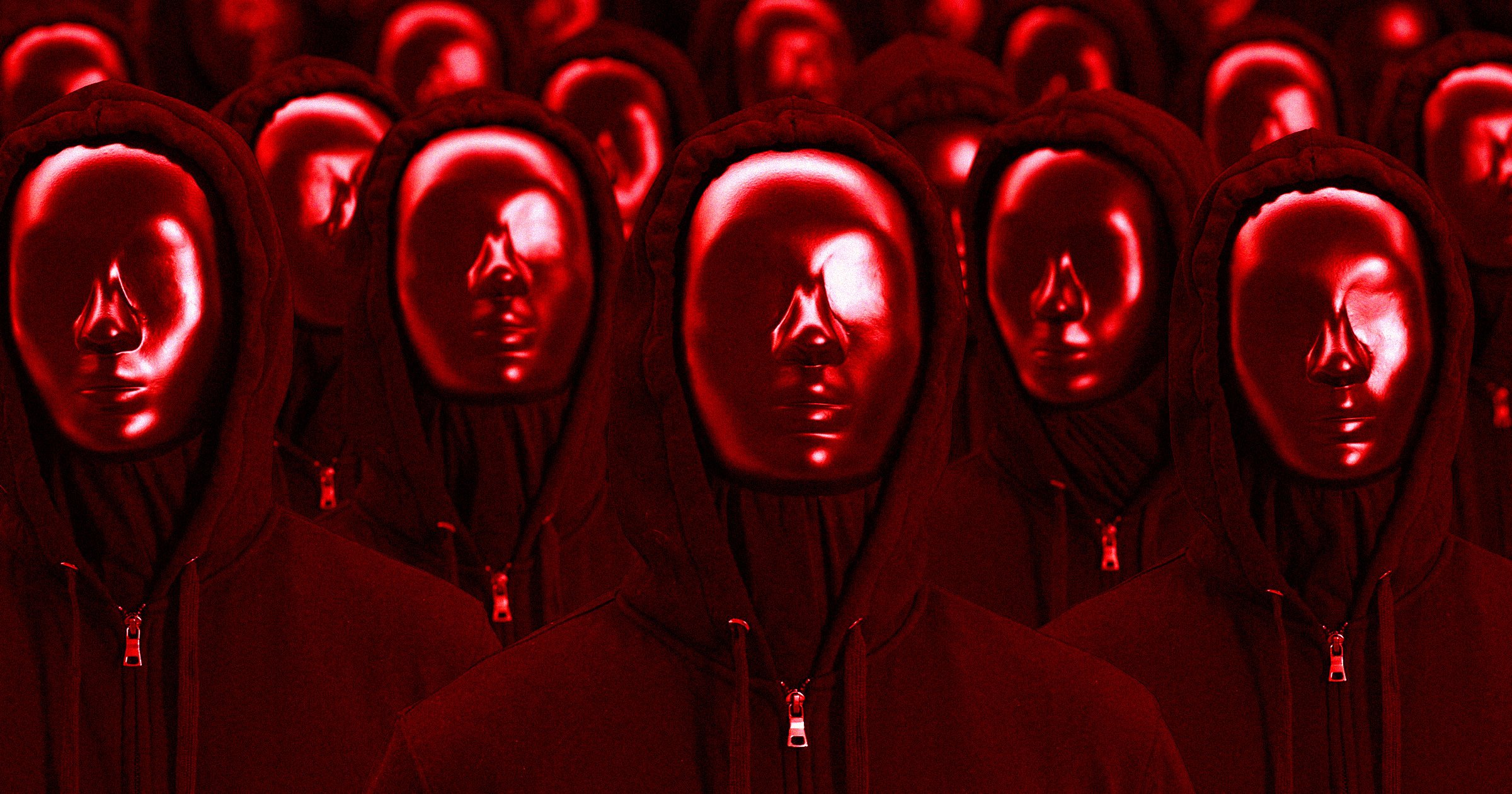
Хэрэглэгчид хиймэл оюун ухаантай чатботуудтай харилцах явцдаа тэдний сэтгэхүй, харилцааны хэв маягийг даган дуурайж, улмаар өөрсдийн зан үйлийг өөрчлөх эрсдэлтэй байгааг шинэ судалгаа харуулж байна.
“AI & Society” сэтгүүлд нийтлэгдсэн судалгаанд хиймэл оюун ухааны чатботууд, ялангуяа харилцагчийн үйлчилгээний салбарт хэрэглэгдэж буй системүүд нь хүн ба технологийн хоорондын харилцааг хэрхэн өөрчилж байгааг судалжээ. Олон улсын судлаачдын баг “robotoid humanness” буюу “роботлог хүний шинж” хэмээх шинэ ойлголтыг танилцуулсан бөгөөд энэ нь хүмүүс машин механизмын логик, хурд, харилцааны хэв маягт дасан зохицох үед илэрдэг сөрөг нөлөө юм.
Судалгаанд оролцсон Бирмингэмийн их сургуулийн судлаач Инчи Торал-Мансоны тайлбарласнаар, энэ нь хоёр талын харилцан нөлөөлөл бөгөөд роботууд хүнийг дуурайхын хэрээр хүмүүс ч роботтой төстэй болж эхэлж байна. Судлаачид энэхүү үйл явцыг гурван үе шаттай гэж үзсэн: эхлээд хэрэглэгч хиймэл орчинд нэвтэрч, дараа нь чатбот хэрэглэгчийн зан төлөвийг статистик дүн шинжилгээгээр “хуулбарлан” тусгаж, эцэст нь хэрэглэгч өөрөө ч мэдэлгүй технологийн хэв маягт нийцүүлэн өөрийгөө өөрчилдөг аж.
Линнеусын их сургуулийн дэд профессор Селсен Озтуркканы онцолсноор, хүний бусдыг дуурайх төрөлхийн зөн совин нь чатботуудтай давтагдах харилцаанд орох үед тэдний харилцааны хэв маягийг автоматаар хүлээн авахад хүргэдэг. Энэхүү үйл явц нь машин сургалтын тусламжтайгаар улам боловсронгуй болж, илүү хувийн шинжтэй, хүнд ойрхон хуурамч дүр төрхийг бий болгодог байна.
Эрдэмтдийн зүгээс энэхүү хандлага нь хүний өөрийн үнэлэмж болон сэтгэлгээнд урт хугацаанд сөрөг нөлөө үзүүлж болзошгүй гэж үзэж байна. Орхусын их сургуулийн дэд профессор Жан-Пол Жде Крос Перонардын дүгнэснээр, бизнесийн байгууллагууд үйлчлүүлэгчтэй харилцахдаа энэхүү технологийг ашиглахдаа ёс зүйн хэм хэмжээг баримталж, болзошгүй эрсдэлийг тооцох нь нэн чухал юм.
Дэлгэрэнгүйг эх сурвалжаас харах
↓Эх сурвалжийг нээх ↓
Now that AI models have officially passed the Turing Test, there’s no doubt that they’re capable of imitating human traits — at least in text form — to a degree that would have flabbergasted even an expert just few years back. After all, large language models are built by digesting copious amounts of human-authored content, making them little more than algorithms that mirror our behavior back at us.
But the more we use AI tools like OpenAI’s ChatGPT or Anthropic’s Claude, those tables are starting to turn: chatbots appear to be influencing human behavior making us behave more like them — a terrifying thought as the tech plays an ever-greater role in our lives.
As detailed in a new paper in the journal AI & Society, designed to build out a new framework and start a discussion, an international team of researchers suggested that the use of AI chatbots, specifically in customer service settings, could be making humans act more robotic even as bots become more like us.
“As generative systems and socially responsive service agents enter everyday consumption, human-AI interaction increasingly resembles a quasi-social encounter rather than a utilitarian interface,” they wrote.
The researchers introduced a new concept called “robotoid humanness” to put a name to the “emergent drift in which consumers come to experience themselves as most fluent, correct, or socially viable when they become compatible with machine legibility, machine pacing, and machine logic.”
Put differently, it’s a “bidirectional influence, where robots become more like people, and people become more like robots,” said coauthor University of Birmingham marketing researcher Inci Toral-Manson in a statement about the work.
In a proposed framework, which has yet to be tested in the real world, the researchers broke the process of becoming more robotic down into three stages. First “consumers enter a synthetic social reality that invites meaningful commitment.” Then, the chatbot “captures” the identity of the consumer by creating a “distorted reflection” based on statistical analysis. Finally, this reflection coerces us into becoming more aligned with it, effectively adapting to its ways.
“The consumer acts, the robot responds, and with repeated exposure, in time the consumer internalises the exchange,” Linnaeus University associate professor of new media Selcen Ozturkcan, a coauthor of the paper, said in the statement. “Machine learning and AI can amplify this process, adjusting robot behavior based on user input, enabling more personalized and human-like mimicry from the robot.”
“For people, the innate instinct to mirror can lead to people returning the robot’s communicative behaviours, making them more robot-like,” Ozturkcan added.
The potential risks are considerable. As we adapt to a reality heavily influenced by AI, our self-perception and even sense of self-worth could change.
“Robots and AI are now commonplace in customer service, and so it is important that we understand how people interact with them for businesses to use the technology at their disposal to best effect, whilst remaining ethical,” coauthor and Aarhus University associate professor Jean-Paul Jde Cros Peronard concluded in the statement.
More on AI: Spotify and YouTube Profiles of Legendary Jazz Musicians Hijacked by AI Waifu Spam
The post Alarming Study Suggests That Using AI Is Turning Humans More Robotic appeared first on Futurism.

