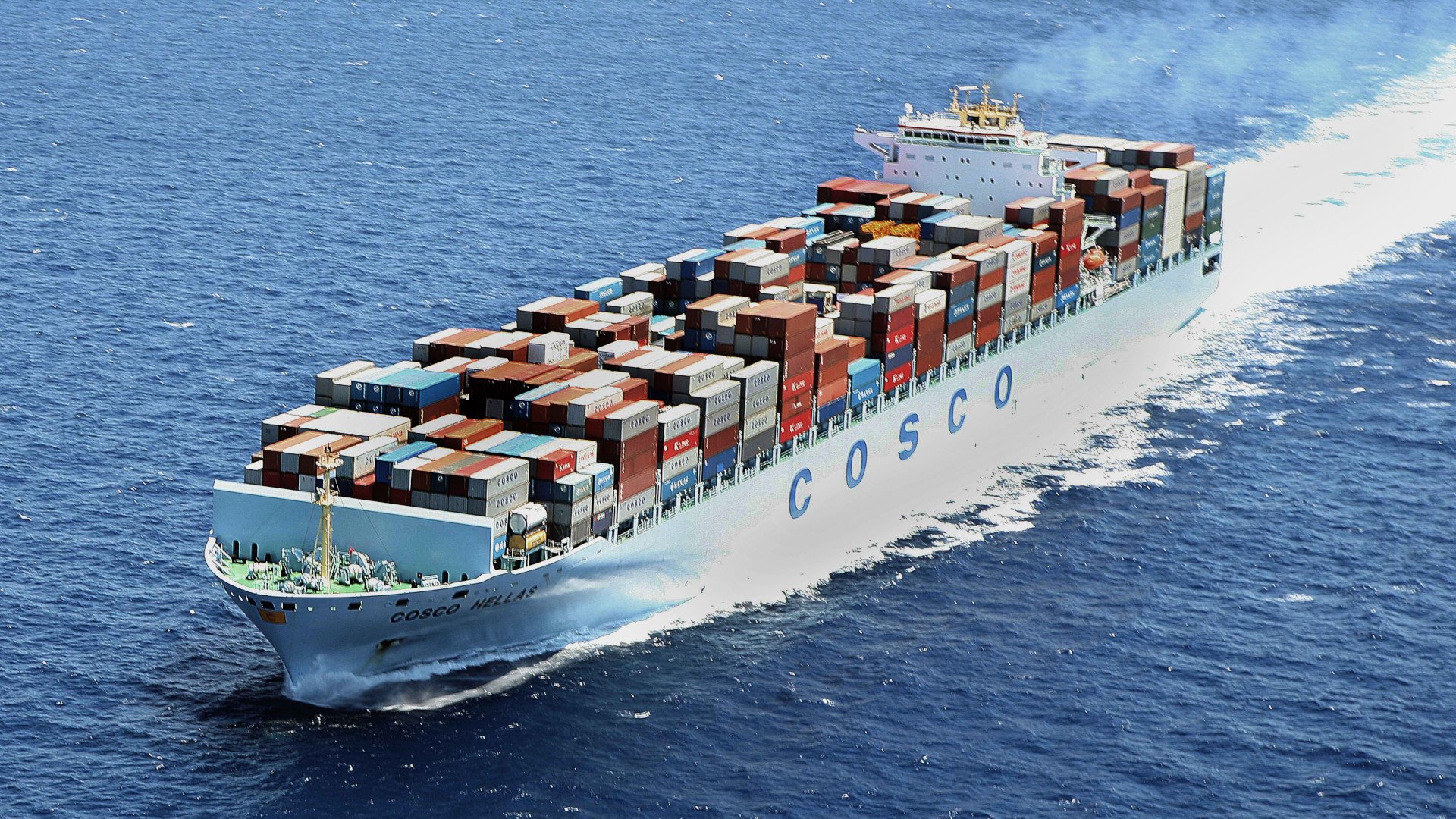
АНУ-ын албаны эх сурвалжуудын мэдээлснээр, Хятадын төрийн өмчит COSCO компани олон арван жилийн турш хөлөг онгоцууд дээрээ нууц тоног төхөөрөмж байрлуулан, дохио дамжуулалтын тагнуул хийж байна.
“Reuters” агентлагийн мэдээлснээр, тус компани нь Бээжинтэй тагнуулын мэдээлэл цуглуулах урт хугацааны хамтын ажиллагаатай бөгөөд энэ нь Европ, Хойд Америк, Азийн бүс нутагт үйл ажиллагаа явуулж буй хөлөг онгоц болон нисэх онгоцнуудын харилцаа холбооны дохиог барьж авах боломжийг Хятадад олгодог байна. Албаны хүмүүс эдгээр хөлөг онгоцон дээр энгийн холбооны төхөөрөмж бус, цэргийн харилцаа холбооны технологи болон шифрлэлтийн хөгжүүлэлтийг тагнах зориулалттай дэвшилтэт систем суурилуулсан гэж үзэж байна. Хятадын Элчин сайдын яам эдгээр мэдэгдлийг эрс няцаасан бол АНУ-ын Пентагон 2025 оны нэгдүгээр сард COSCO компанийг Хятадын цэргийн хүчинтэй холбоотой байгууллагуудын жагсаалтад оруулсан юм.
Энэхүү үйл ажиллагаа нь 2017 онд батлагдсан Хятадын Үндэсний тагнуулын тухай хуультай холбоотой бөгөөд тус хуульд тус улсын бүх байгууллага, иргэдийг төрийн тагнуулын ажилд дэмжлэг үзүүлэх үүрэгтэй хэмээн заасан байдаг. Хөлөг онгоцнууд дээр цуглуулсан тагнуулын мэдээллийг сансрын холбоо эсвэл бусад сувгаар дамжуулан Бээжин рүү бодит цагийн горимд эсвэл багц хэлбэрээр илгээх боломжтой гэж шинжээчид үзэж байна. Ийм төрлийн тагнуулын мэдээлэл нь өрсөлдөгч талын цэргийн хүчний байршил, чадавх болон командлалын сүлжээний талаарх “цахим тулааны дараалал”-ыг бүрдүүлэхэд чухал ач холбогдолтой юм.
Өмнө нь АНУ-ын Тэнгисийн цэргийн академийн дэргэдэх Хятадын далайн судалгааны хүрээлэнгийн тайланд Хятадын “далайн цэрэгжсэн бүлгэм” буюу загас агнуурын флот нь цэргийн болон улс төрийн тагнуулын үүрэг гүйцэтгэдэг болохыг дурдаж байсан. Түүнчлэн, 2019 онд АНУ-ын тэнгисийн цэргийн хөлөг онгоцуудыг оролдсон үл мэдэгдэх дронуудын асуудалд Хонконгийн бүртгэлтэй ачааны хөлөг онгоц холбоотой байж болзошгүй гэсэн таамаглалыг АНУ-ын эрх баригчид шалгаж байв. Олон улсын далайн болон агаарын орон зайд иргэний зориулалттай хөлөг онгоцыг тагнуулын зорилгоор ашиглах нь улс орнуудын хувьд түгээмэл үзэгдэл хэдий ч Хятадын худалдааны флотын цар хүрээ нь энэ төрлийн үйл ажиллагааг нууцаар явуулах өргөн боломжийг олгож байна.
Дэлгэрэнгүйг эх сурвалжаас харах
Эх сурвалжийг нээх ↓
Chinese state-run shipping company COSCO has been using concealed systems on its vessels to gather signals intelligence around North American, European, and Asian coastlines for decades, it has been alleged. Similar claims have been made in the past, and overlap between nominally civilian enterprises in China and the country’s military and intelligence services is well established at this point.
Reuters first reported on the use of COSCO ships as discrete signals intelligence platforms earlier today, citing two unnamed officials within President Donald Trump’s administration.
“The officials, who spoke on condition of anonymity to discuss the U.S. assessment of the Chinese program, said COSCO has a decades-long intelligence-collection partnership with Beijing,” according to the report. “The arrangement allows China to collect communication signals from vessels and aircraft operating across Europe, North America and Asia, they said.”
It is worth noting here that China’s National Intelligence Law, enacted in 2017, includes a specific provision that requires all organizations and citizens within the country to support state intelligence workas required. It also obligates the state to protect entities that do so.
“The advanced equipment aboard the ships is intended to enable China to gather information about ‘military communications technologies and encryption developments,’ one of the officials said,” Reuters‘ story today added. “The officials did not detail the type of equipment COSCO ships were allegedly using, but said they were ‘sophisticated signals intelligence collection’ platforms, not routine communications hardware.”
Officials at the Chinese Embassy in Washington, D.C., unsurprisingly denied these assertions, according to that outlet.
Purpose-built signals intelligence suites can range widely in size and shape, as can their capabilities. They can be very small and basic or far more elaborate systems. Even the latter could be concealed as modern commercial ships, which already feature lots of antennas.
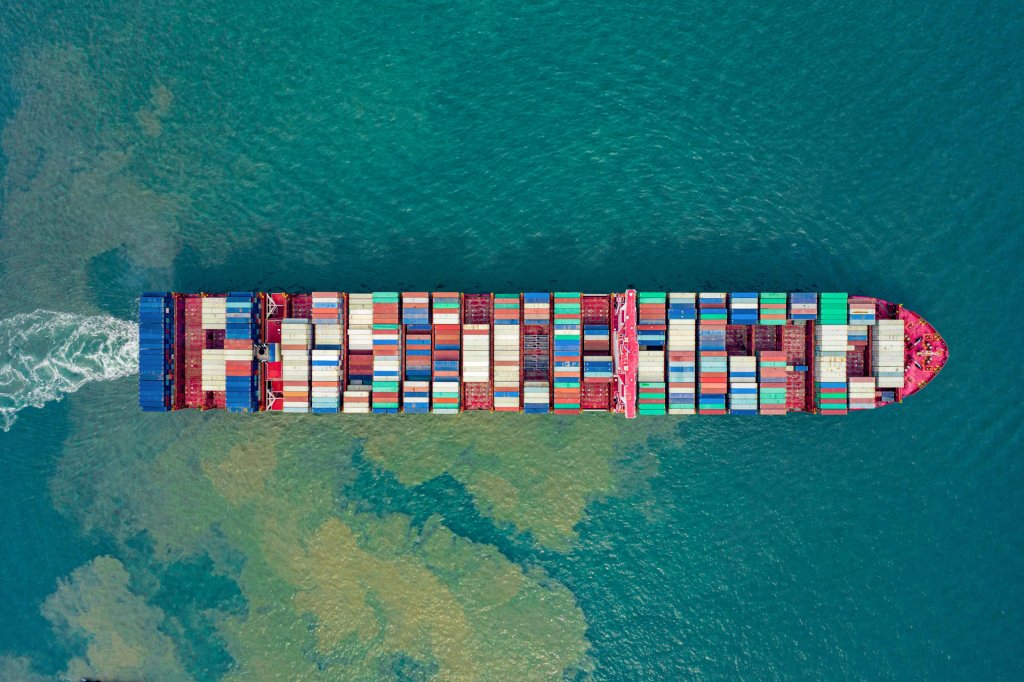
What might happen to intelligence collected by the ships is unknown. At the very least, systems onboard could record the data, which could then be batched out when safe to do so, either physically or via transmission. Basic passive signals suites can also run autonomously, or even be controlled from anywhere in the world if the ship is connected via satellite communications (SATCOM). High-bandwidth SATCOM is very common now on ships around the globe.
Personnel on the ship could also operate the systems, and even process receptions of interest. It might be possible to fit the ships with suitable datalinks to then transmit the collected data in near-real-time to other nodes, including ones back in China, for further analysis and exploitation.
Reuters‘ sources said scooping up data on “military communications technologies and encryption developments” was a priority for the commercial vessels turned spy ships. Signals intelligence can take many other forms, from emissions from radars to communications chatter. Depending on what is collected and how, specialists can use that information to glean details about how systems function, as well as insights into standard operating procedures and other details. This is especially true when multiple forms of intelligence are fused together. Generally speaking, signals intelligence is routinely used to help build out so-called ‘electronic orders of battle’ detailing the disposition and capabilities of an opponent’s forces, especially air defense and command and control networks. Fusing multiple forms
As mentioned, this is not the first time claims in this general vein have emerged, either. At least some evidence has been presented in the past, through open-source analysis. Reuters‘ sources directed that outlet to a report published last year by the China Maritime Studies Institute at the U.S. Naval War College exploring exactly this topic in relation to China’s quasi-military maritime militia. The maritime militia is made up of ostensibly civilian fishing fleets, but has direct ties to the People’s Liberation Army (PLA) and the Chinese Coast Guard. It is routinely used to harass and intimidate foreign vessels in disputed waters, especially in the South China Sea.
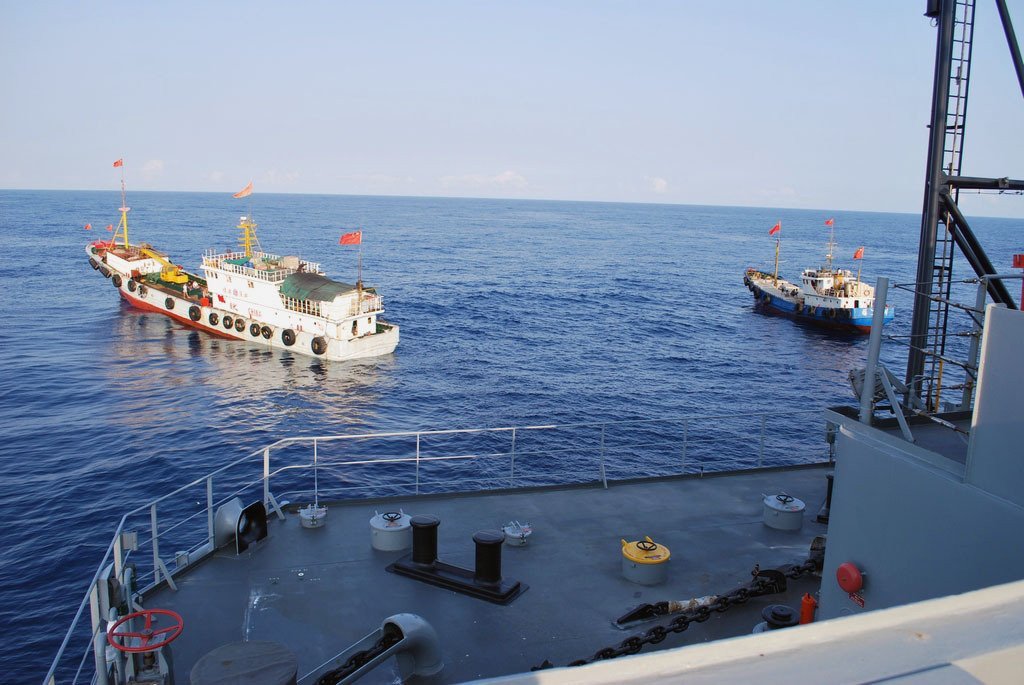
“Undergirding these operations is a cadre of maritime militia intelligence specialists called ‘information personnel.’ Information personnel are organized into force contingents that support operational militia forces,” according to that report. “Most have day jobs in the fishing industry, but many hale [sic; hail] from other sectors, including marine shipping and even maritime law enforcement units.”
“It is more likely than not that PRC [People’s Republic of China] vessels operating overseas have already begun embarking information personnel to serve intelligence collection and reporting functions. In the case of China’s fishing fleet, serving this foreign intelligence collection function could be as simple as adding a new duty to the ‘information personnel’ that already embark aboard some distant-water fishing vessels,” that report added. “Aside from their primary responsibilities of tallying and reporting production numbers, serving as experts on international and national fisheries regulations that affect their work, and handling interactions with foreign officials while at sea and in port, they might also be tasked with collecting and reporting military and political intelligence while operating overseas.”
“Similar processes may already be in place in the commercial shipping industry,” it continued. “For instance, Guangxi province’s Beihai city has built up its ranks of maritime intelligence specialists by recruiting from among marine shipping personnel.”
No explicit mention is made in the report about signals intelligence gathering.
In the past year or so, there have been multiple reports that Russia is also using its so-called ‘shadow fleet’ of oil tanker ships in a secondary role as intelligence-gathering platforms. The primary job of those vessels is to help the Kremlin evade sanctions.
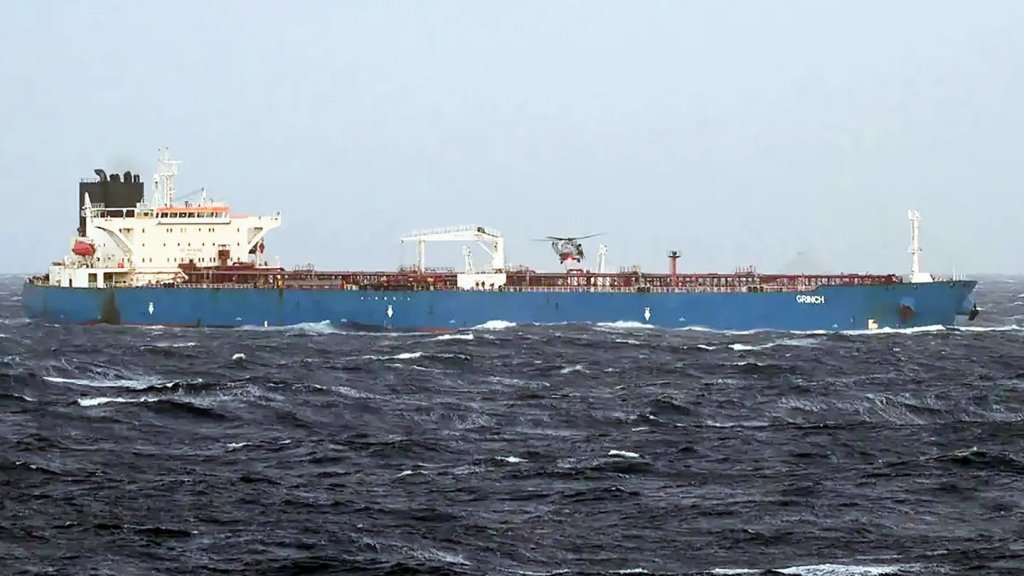
There is other tangential evidence that also lends credence to today’s report from Reuters. As mentioned, in the midst of still mysterious drone swarms that harassed U.S. Navy ships off the coast of southern California back in 2019, U.S. authorities at least explored the possibility that a Hong Kong-flagged bulk carrier, the M/V Bass Strait, might have been a launch point. It remains unknown, at least publicly, whether the Bass Strait or another nearby ship might have been the source of the harassment, or if it came from somewhere else, potentially further away. TWZ was the first to report on this detail as part of a deeper investigation into these incidents, which came amid a spike in news about claimed sightings of what are now commonly referred to as unidentified aerial phenomena (UAP). We have been saying for years now that, while some UAP sightings do remain unexplained, many more are likely to have been drones (as well as balloons), which foreign governments could be using for intelligence gathering and other malign purposes.

It’s also worth noting here that intelligence collection from international waters and airspace is a practice that nation state armed forces and intelligence agencies globally, including those in the United States, engage in regularly with varying degrees of openness. Leveraging nominally civilian ships, as well as aircraft, for these purposes is hardly new.
Despite the official denials to the Reuters piece today, it would be hard to imagine Chinese authorities not making use of commercial ships for this purpose, if possible, given that major deepwater ports worldwide are often dual-purpose civilian/military facilities. Radar sites and other critical facilities are often positioned along or near coastlines. Cargo ships and tankers often pass by major exercises and under major military operating airspace, where they could scoop up critical data.
With commercial ships already plying their routes, this would also just offer the Chinese government ways to readily bolster maritime intelligence-gathering capacity at low cost and low risk. China’s commercial fleets dwarf any other on Earth, making their presence commonplace and providing many opportunities to hide these operations.
A 2021 report published through the U.S. National Geospatial-Intelligence Agency’s (NGA) Tearline Project also highlighted the possibility of Chinese-owned facilities at ports around the world being used for intelligence gathering or even for launching non-kinetic attacks, including electronic warfare jamming. It specifically noted how COSCO’s facility in Belgium’s Port of Zeebrugge is “in close proximity to a Belgian Naval Base and thus could fulfill additional militarized requirements.”
Concerns about land owned by Chinese companies and nationals being used to collect intelligence or for other purposes have become an increasingly hot topic of discussion in the United States in recent years.
Reuters‘ piece does not say what, if any, steps U.S. authorities have taken or may be planning to take now to monitor for or take more active countermeasures against Chinese-flagged ships being used for intelligence gathering, despite this being said to be a decades-old practice. The report does note that “the Pentagon put COSCO on its list of companies linked to China’s military in January 2025, a designation that carries serious reputational costs for companies as well as U.S. government procurement bans, but does not entail formal sanctions.”
Though no hard evidence has yet been provided, Chinese authorities using cargo ships as additional discreet signals intelligence-gathering assets is very plausible, and would certainly seem to be an issue that should be taken seriously, if it is not already being addressed.
Contact the author: joe@twz.com
The post Chinese Cargo Ships Clandestinely Gather Signals Intelligence: Report appeared first on TWZ.

