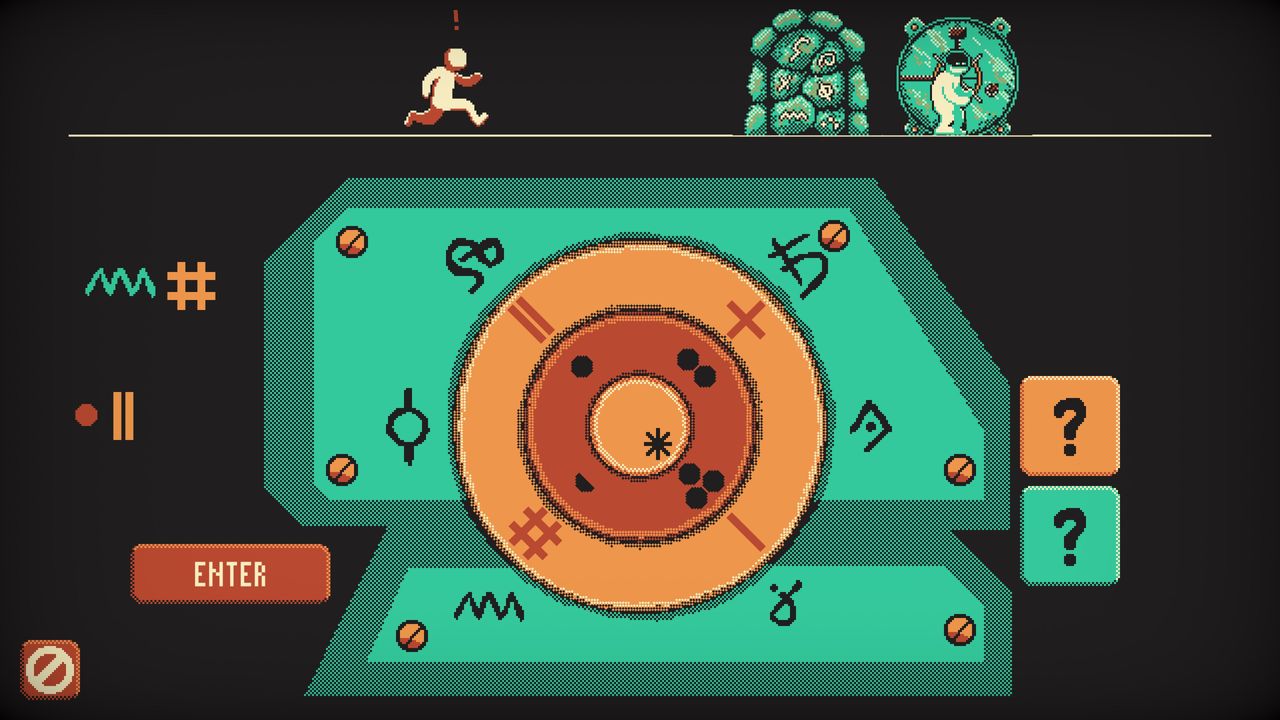
Ludum Dare 57 арга хэмжээнд зориулан бүтээсэн энэхүү инди тоглоом нь цоож тайлах олон төрлийн даалгаврыг сорилттой нөхцөл байдалд багтаажээ.
Ludum Dare 57 тэмцээний хүрээнд хоёр хүний бүрэлдэхүүнтэй баг ердөө 72 цагийн дотор бүтээсэн Lockpicks-11 нь цоож тайлах үйлдлийг өвөрмөц байдлаар илэрхийлсэн тоглоом юм. Тоглогч хулгайчийн дүрд тоглож, олон төрлийн хаалганы цоожийг тайлах замаар урагшилна. Тоглоом нь бусад ижил төстэй симулятор тоглоомуудаас ялгаатай нь зөвхөн цоож тайлах дараалсан даалгавруудад төвлөрдөг.
Цоож тайлах механизм нь маш олон янз бөгөөд дөрвөн оронтой код оруулах, тэмдэгтүүдийг тааруулах, хөгжмийн нот давтах эсвэл 2D лабиринтыг туулах зэрэг сорилтуудыг багтаасан байна. Тоглоомын явцад даалгавруудын дараалал санамсаргүй байдлаар өөрчлөгдөх бөгөөд тоглогчдод даалгавар хэрхэн ажилладаг талаар тодорхой заавар өгдөггүй тул өөрсдөө туршиж үзэх шаардлагатай болдог.
Тоглоомын явцыг илүү хурцадмал болгож буй гол хүчин зүйл бол харуул юм. Тоглогчийг аажуухан хөдөлдөг харуул мөшгөх бөгөөд хаалгыг амжиж тайлахгүй бол тоглоом дуусдаг. Эдгээр элементүүдийн нэгдэл нь Lockpicks-11 тоглоомыг богино хугацаанд бүтээгдсэн хэдий ч маш их анхаарал татахуйц, хурцадмал уур амьсгалтай бүтээл болгожээ.
Сонирхсон хэрэглэгчид уг тоглоомыг хөтөч дээрээс шууд тоглох боломжтой. Түүнчлэн цоож тайлах мини тоглоомуудын түүх, хувьслыг судлахыг хүсвэл The Museum of Mechanics: Lockpicking хэмээх дижитал үзэсгэлэнг үзэх боломжтой юм.
Дэлгэрэнгүйг эх сурвалжаас харах
↓Эх сурвалжийг нээх ↓
I love lockpicking minigames, especially when representatively they’re as far away from the act of lockpicking as possible. While I admire the elegance of Bethesda’s bobby-pin/screwdriver system seen in Fallout 4, I’m much more interested in the weirder solutions like Splinter Cell‘s baffling pin-flicking system, or Gothic Remake‘s absurdly elaborate sliding puzzle system.
I love how developers have tried so many ways to represent the act of lockpicking, and that despite this nobody has ‘solved’ the problem of virtual lockpicking yet (though Bethesda has arguably come closest). Inevitably, then, I was drawn to the idea of a game that is all about lockpicking. But I never expected that it could be as imaginative and thrilling as Lockpicks-11.
An entry for Ludum Dare 57, Lockpicks-11 places you in the role of an unnamed thief in the middle of a heist. Yet rather than being a fully fledged burglary simulator like Thief, Lockpicks-11 distils the act of larceny to a linear sequence of locked doors.
What makes Lockpicks-11 interesting is that every lock is wildly different. Some are based upon recognisable locking mechanisms, like inputting a four digit code, or aligning symbols via a tumbler system. Others are more out there, like replicating a sequence of musical notes, or navigating a 2D maze to collect objects.
The order of these puzzles is randomised each time you play, and Lockpicks-11 provides minimal context to how each puzzle works, so you have to figure it out for yourself. On top of that, your thief is being chased by the world’s slowest security guard, and if he catches you before you unlock a door, it’s game over.
This combination of elements—the puzzles, the randomisation, the lack of context, and the timed element—makes Lockpicks-11 shockingly tense. The maze puzzle, for example, randomises the controls for navigating the maze, and in my last run I was seconds from being caught before I snatched the last collectible and my knotted fingers prised open the lock.
For a game built in 72 hours by a team of two, it’s a mightily impressive creation. If you fancy giving Lockpicks-11 yourself, you can play it in your browser. If you’re a lockpicking aficionado like myself, I’d also recommend you check out The Museum of Mechanics: Lockpicking, a digital exhibit that explores the history and evolution of these security-busting minigames.
Best laptop games: Low-spec life
Best Steam Deck games: Handheld must-haves
Best browser games: No install needed
Best indie games: Independent excellence
Best co-op games: Better together

