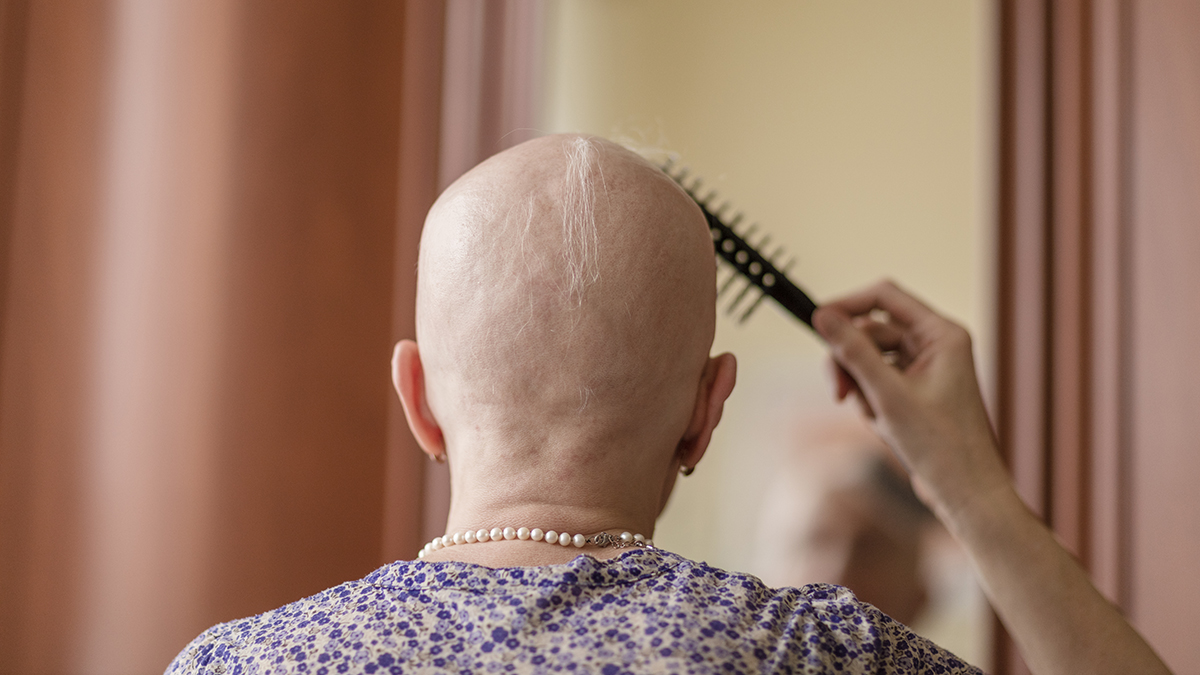
Дархлааны тогтолцооны алдаанаас үүдэлтэй үс уналтын хүнд хэлбэрийн үед үрэвслийн эсрэг үйлчилгээтэй упадацитиниб (upadacitinib) эм нь үр дүнтэй байж болзошгүйг JAMA Dermatology сэтгүүлд нийтэлсэн судалгаа харууллаа.
Судлаачид 12-64 насны, хуйхны үс нь 50-иас дээш хувиар унасан 1,399 оролцогчийг хамарсан хоёр үе шаттай эмнэлзүйн туршилтыг явуулжээ. Оролцогчдод 24 долоо хоногийн турш өдөр бүр 15 мг эсвэл 30 мг упадацитиниб болон плацебо (хуурамч эм) өгч үр дүнг нь харьцуулсан байна. Туршилтын үр дүнд упадацитиниб хэрэглэсэн бүлэгт үс ургах явц плацебо хэрэглэсэн бүлгээс хамаагүй илүү байсан бөгөөд эмчилгээний үр дүн 8 дахь долоо хоногоос эхлэн ажиглагджээ.
Тус эм нь дархлааны тогтолцооны үсэнд нөлөөлдөг дохиог саатуулж, үсний уутанцрыг хамгаалах замаар үйлчилдэг аж. Судалгаанд оролцогчдын 13-22.5 хувь нь үсээ бүрэн ургуулж чадсан бөгөөд эмчилгээ нь амьдралын чанарт эерэг нөлөө үзүүлж буйг оролцогчид тэмдэглэжээ.
Энэхүү судалгааг тус эмийн үйлдвэрлэгч AbbVie компани санхүүжүүлж, зарим судлаач нь тус компанийн ажилтан байгаа нь анхаарал татаж байна. Түүнчлэн 24 долоо хоногийн туршилтын хугацаа нь урт хугацааны үр нөлөө болон эрүүл мэндэд үзүүлэх эрсдэлийг бүрэн тодорхойлоход хангалтгүй тул цаашид илүү өргөн хүрээтэй, бие даасан судалгаа шаардлагатай гэж судлаачид дүгнэжээ.
Дэлгэрэнгүйг эх сурвалжаас харах
↓Эх сурвалжийг нээх ↓
Around 2 percent of the world’s population has to live with the severe hair loss and associated psychological toll that comes with alopecia areata, a condition caused by the immune system mistakenly attacking hair follicles.
The hair follicles aren’t permanently damaged, and the condition can be reversed, but the difficulty lies in stopping the immune response.
There are currently limited treatment options available, particularly for adolescents, and they aren’t always effective.
Due to some similarities with existing alopecia areata medications, the anti-inflammation and arthritis drug upadacitinib has been put to the test as a potential treatment in a new study reporting on two Phase 3 clinical trials run in tandem.
The international team of researchers behind the study, published in JAMA Dermatology, believes the results could make upadacitinib a genuine option for alopecia areata – with the potential to improve millions of lives.
“In these two parallel phase 3 replicate randomized clinical trials, upadacitinib demonstrated a positive benefit-risk profile in adults and adolescents with severe alopecia areata,” write the researchers in their published paper.
“Upadacitinib may be a potentially effective treatment option for this patient population.”
Across both trials, 1,399 participants took part in total, aged between 12 and 64 and including 118 adolescents. All those involved scored at least 50 percent on the standard Severity of Alopecia Tool (SALT) score, meaning at least 50 percent of scalp hair had been lost.
Across a 24-week period, volunteers were given a daily pill, containing either 30 milligrams of upadacitinib, 15 milligrams of upadacitinib, or a placebo.

The SALT score was used to rate success, with the threshold set at 20 (so 80 percent hair coverage). This target was hit by 45.2 percent and 44.6 percent of participants on 15 mg of upadacitinib in the two trials, by 55 percent and 54.3 percent of those on 30 mg, and by 1.5 percent and 3.4 percent of those on placebo.
It seems the drug works as intended, inhibiting immune-system signaling involved in the attack on hair follicles. What’s more, the differences were apparent early in the trials too.
“Differentiation from placebo was observed quickly after treatment initiation, as the primary end point of SALT score 20 or less was met by both upadacitinib doses beginning at week 8,” write the researchers.
There was more good news in other aspects of the study. Between 13 percent and 22.5 percent of participants on upadacitinib (depending on the dosage and the specific trial) got all their scalp hair back.

The short-term safety profile was positive, with serious side effects only seen in a small proportion of the participants, while there were improvements in quality of life scores too.
“Patients treated with both doses of upadacitinib also experienced significant improvement in patient impression of change as well as multiple facets of health-related quality of life,” write the researchers.
“In a disease often associated with sizable psychosocial and emotional burden, translation of clinical responses (hair regrowth) into meaningful patient-reported improvements becomes imperative to deem a treatment to be efficacious.”
There are some caveats to consider. As the trials only lasted for 24 weeks, longer-term effects and health implications aren’t yet known. In addition, the trials were funded and co-designed by AbbVie, the pharmaceutical company that makes upadacitinib, and some of the researchers are AbbVie employees.
Industry sponsorship isn’t unusual in large trials like this, and the study has been peer-reviewed independently, but further testing will be required (particularly against existing treatments as well as placebos) to confirm the potential of upadacitinib.
Related: Fully Functional Hair Follicles Have Been Grown in The Lab For The First Time
“The rapidity and depth of response have the potential to position upadacitinib as a valuable treatment option for patients with severe alopecia areata,” write the researchers.
The research has been published in JAMA Dermatology.
This article was fact-checked by Peter Dockrill and edited by Peter Dockrill. While we pride ourselves on our process, we are only human. If you spot a mistake, please let us know.

