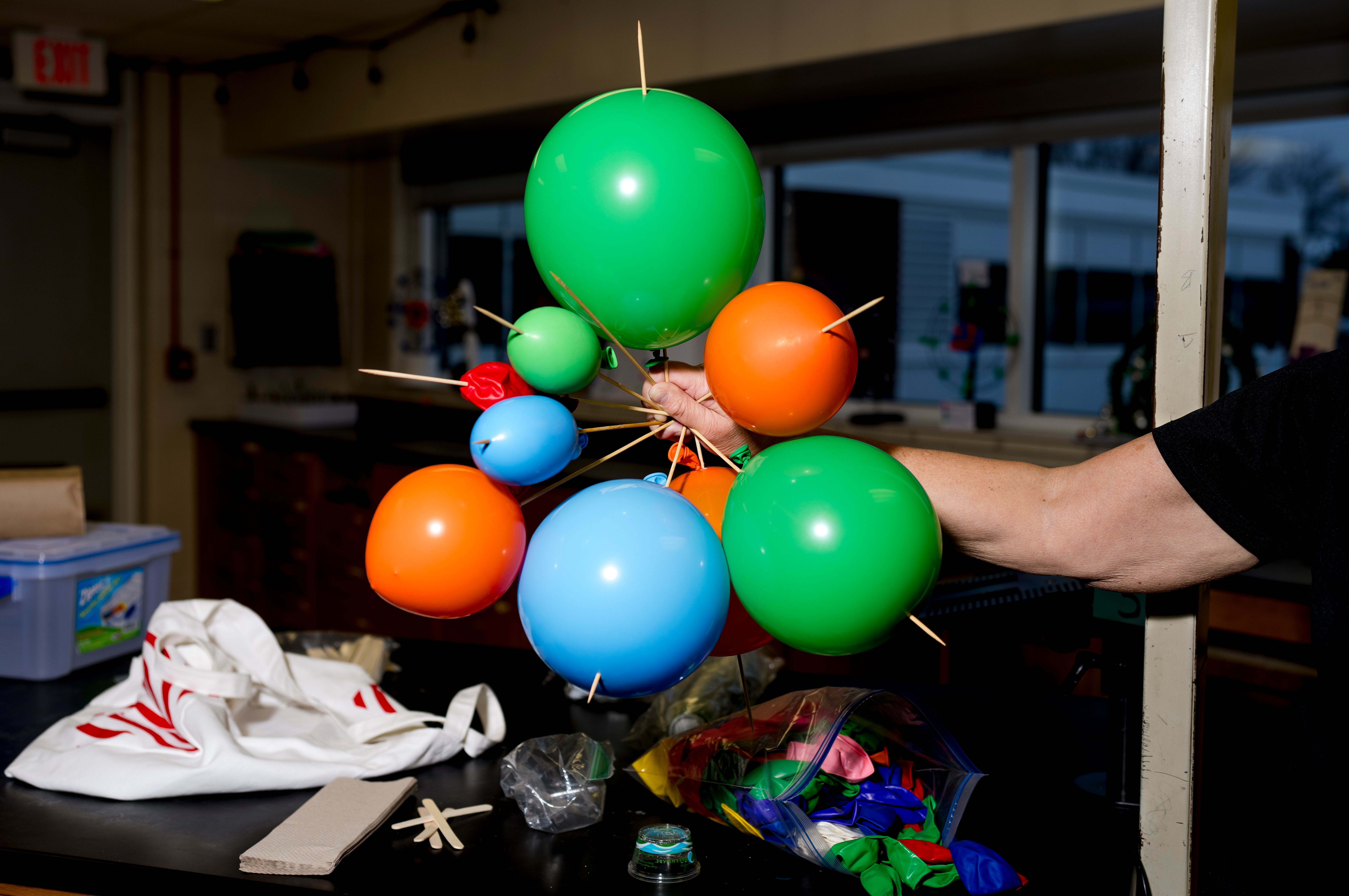
Ашгийн бус байгууллагын шинэ тайланд дурдсанаар, хуванцар үйлдвэрлэлийн салбарынхан боловсролын хөтөлбөрүүдэд өөрсдийн ашиг сонирхлыг тусгасан сургалтын материал, туршилтын хэрэгслээр дамжуулан нөлөөлөх оролдлого хийж байна.
“Plastic Pollution Coalition” байгууллагын гаргасан тайланд хуванцар үйлдвэрлэлийн салбарынхан сургуулиудад үнэ төлбөргүй эсвэл хямд өртөгтэй сургалтын хэрэглэгдэхүүн санал болгох замаар хүүхдүүдийн боловсролд нөлөөлж байгааг баримтжуулжээ. Эдгээр материалд хуванцар бүтээгдэхүүний ач холбогдлыг хэт дөвийлгөн, хүний эрүүл мэнд болон байгаль орчинд үзүүлэх сөрөг нөлөөг бүдгэрүүлсэн байдаг аж. Тухайлбал, “PlastiVan” хөтөлбөр болон төрөл бүрийн сорилго, дасгал ажлууд нь хуванцарыг орчин үеийн амьдралын салшгүй хэсэг гэдгийг сурагчдад сурталчлах зорилготой байна.
Мэргэжилтнүүдийн үзэж буйгаар, энэхүү мэдээлэл нь бодит байдлыг мушгин гуйвуулж, хуванцар бохирдлын ноцтой хор уршгийг далдлах эрсдэлтэй. Хуванцар нь далайн амьтдад аюул учруулахаас гадна хорт химийн бодис ялгаруулах, ус зайлуулах сувгийг бөглөж үер усны аюул үүсгэх, хүлэмжийн хий ялгаруулах зэрэг сөрөг талуудтай болохыг тайланд онцолжээ. Зарим сургалтын хөтөлбөрүүд хуванцар бохирдлыг хүлээн зөвшөөрдөг хэдий ч асуудлын шийдлийг үйлдвэрлэлийг багасгахад бус, зөвхөн дахин боловсруулалтад чиглүүлж байгаа нь шинжлэх ухааны үндэслэлтэй бус гэж үзэж байна.
Дэлхий даяар хуванцар бүтээгдэхүүний ердөө 9 хувь нь дахин боловсруулагддаг бөгөөд үйлдвэрлэлийн өсөлтийг дахин боловсруулалтаар нөхөх боломжгүй гэдгийг судлаачид анхааруулсаар ирсэн. Шинжлэх ухааны боловсролын мэргэжилтнүүдийн үзэж буйгаар, эдгээр салбарын ивээн тэтгэсэн материалууд нь сурагчдад шинжлэх ухааны мэдлэг олгохоос илүүтэй эдийн засгийн үзэл суртлыг суулгах зорилготой байна. Иймд тус байгууллага сургуулиудад үйлдвэрлэлийн салбарын ивээн тэтгэлэгтэй сургалтын материалыг ашиглахыг хязгаарлах бодлого хэрэгжүүлэхийг уриалжээ.
Дэлгэрэнгүйг эх сурвалжаас харах
↓Эх сурвалжийг нээх ↓
This story originally appeared on Grist and is part of the Climate Desk collaboration.
This fall, 54 million K-12 students are headed back to the classroom for another year of lessons in all the classic subjects: math, English, history, biology. But there’s another subject that’s been sneaking into school curricula: plastics.
A new report from the nonprofit Plastic Pollution Coalition documents the many ways the plastics industry has been inserting its agenda into classrooms across the US—including through lesson plans and worksheets, hands-on science experiments, and a program called “PlastiVan” that travels from city to city teaching students about “the contribution plastics make to modern life.”
Industry interests offer these resources to teachers for free or for cheap, according to the report. The materials tend to highlight the necessity of plastics while downplaying their significant downsides to human health and the environment.
“When that information is provided to kids, it obfuscates the true impacts of plastic pollution,” said Madison Dennis, senior policy and advocacy manager for Plastic Pollution Coalition and one of the report’s main authors. Besides harming marine life, plastics can expose people to hazardous chemicals, clog storm drains and contribute to flooding, and release planet-warming greenhouse gases. The Plastic Pollution Coalition is calling for stricter school policies against the use of industry-sponsored learning materials.
The report lays out four case studies of plastics industry “propaganda” for schoolkids. One involves the Society of Plastics Engineers, or SPE, a trade group that recently became a division of the Plastics Industry Association. SPE’s lesson plans include activities like a “plastic scavenger hunt,” which aims for students to “understand that plastics are ubiquitous and their importance to society and their personal life.” A video titled “Your Bottle Means Jobs” explains how plastics recycling supports local employment.
Another case study highlights the American Association of Chemistry Teachers, an initiative of the Dow Chemical Company. One of the association’s lesson plans teaches elementary and middle school students how to compare the strength of various types of plastic bags that can be found in a grocery store. After a brief experiment, the lesson invites them to “pretend [they] are an employee for Dow Chemical Company” and are designing a plastic bag for a customer.
While many of the materials claim to support STEM learning objectives, they do so while promoting familiar industry talking points, emphasizing the affordability and safety of plastics. Some acknowledge plastic pollution as a serious problem, but they blame irresponsible consumer behaviors and, instead of recommending less plastic be produced, propose more recycling as the primary way to address it.
In reality, only 9 percent of all plastics are recycled worldwide, and scientists have repeatedly warned that recycling will be unable to keep up with projected growth in plastic production. Investigative reporting has shown that industry groups knew this decades ago, but promoted recycling anyway in order to defuse growing concern over plastic pollution.
Wendy Johnson, a science education specialist at the National Center for Science Education, said the industry’s lesson plans and worksheets don’t reflect good pedagogy. Materials claiming to be aligned with state-level STEM standards don’t say which standards they support, or how they’re aligned. Lesson plans instruct students to read teachers’ notes, or list industry-specific vocab terms like “stretch blow molding” or “thermosetting.”
“By using all of these technical terms, it’s tricking people into thinking … that they’re doing science,” Johnson told Grist. What the materials really teach, she said, is “ideological perspectives about the economy,” like the desirability of cheap consumer goods.

