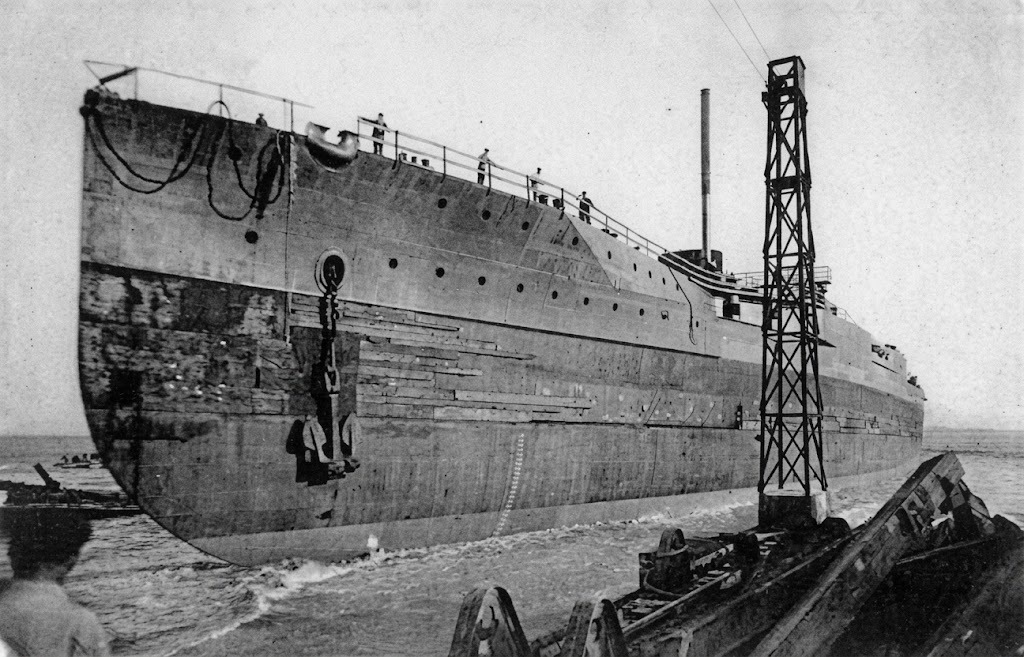
Зуун жилийн өмнө осолдсон 23,500 тонн жинтэй байлдааны хөлөг онгоцны сүйрэл болон түүний далайн ёроолд хадгалагдан үлдсэн үлдэгдлийн талаарх түүхэн баримтыг тодрууллаа.
1912 онд усанд оруулсан Францын тэнгисийн цэргийн хүчний “Франс” байлдааны хөлөг онгоц 1922 оны наймдугаар сарын 25-наас 26-нд шилжих шөнө Кибероны буланд осолджээ. 165 метр урт, 27 метр өргөн энэхүү томоохон хөлөг онгоц сургуулилтаас буцаж явахдаа газрын зурагт тэмдэглэгдээгүй далд хаданд мөргөснөөс болж ердөө нэг хүрэхгүй минутын дотор хөмөрч живсэн байна. Уг ослын улмаас хөлгийн багийн гурван гишүүн амиа алджээ.
Дараа нь явуулсан мөрдөн байцаалтаар уг хадыг далайн тээврийн ямар ч албан ёсны зурагт тэмдэглээгүй байсныг тогтоосон бөгөөд хожим нь “Басс Нувель” хэмээн нэрлэжээ. Тухайн үеийн далайн зааварчилгаанд аюултай бүс хэмээн заагаагүй байсан тул хөлгийн командлагчийг Лорьен хотын Далайн шүүхээс цагаатгасан байна.
Өдгөө уг хөлгийн үлдэгдэл далайн түвшнээс доош 15 метрийн гүнд оршсоор байна. 1922 оноос хойш хөлгийг бүтнээр нь татан гаргах олон оролдлого бүтэлгүйтэж, 1958 он хүртэл үргэлжилсэн хэсэгчилсэн ажиллагаагаар зарим хэсгийг нь л салгаж авчээ. Өдгөө далайн ёроолд тархсан үлдэгдлийн зарим олдворыг Кибероны музейд дэлгэн үзүүлж, түүхэн дурсгал болгон хадгалж байна.
Дэлгэрэнгүйг эх сурвалжаас харах
↓Эх сурвалжийг нээх ↓
A 23,500-tonne battleship, one of the pride vessels of the French navy, sank off the coast of Brittany in less than sixty seconds after an uncharted rock. More than a century later, the wreck of the France still lies just 15 metres below the surface of Quiberon Bay, within sight of the beachgoers who crowd its shores every summer, largely unaware of what rests beneath them.
Launched in 1912, the ship was among the most advanced warships of its era, built to project French naval power across the seas. Its loss, a decade later, remains one of the most dramatic yet least-known disasters in the country’s naval history.
The circumstances surrounding the case are what make it so remarkable, from a hazard no map of the era had recorded, to the speed of the capsizing, to a wreck that decades of salvage efforts still could not fully raise.
Built at the Chantiers de la Loire in Saint-Nazaire, the France was the last of four dreadnoughts in the Courbet class. It stretched 165 metres in length and 27 metres in width, drawing nearly 10 metres of water beneath its hull. While its armament, twelve guns of 305 millimetres backed by twenty-two pieces of 138 millimetres and four torpedo tubes, made it one of the most formidable ships afloat.
Yet none of that firepower or armour plating could protect the battleship from what turned out to be its undoing. Like Titanic decade earlier, it was a submerged rock that no chart of the period had recorded. On the night of 25 to 26 August 1922, as the France returned from gunnery exercises off Belle-Île, sailing alongside another battleship, the Paris, it struck the obstacle at 12:57 a.m. while crossing the Teignouse passage. According to Science Post report, the ship capsized to port and rolled completely over. It disappeared beneath the waves in under a minute.
An Investigation That Found No One at Fault
The subsequent inquiry uncovered an unsettling detail. The rock responsible for the wreck sat just 8 metres below the surface, yet despite lying so close to the water’s edge, it appeared on no nautical chart of the era. Investigators were left to explain how a hazard of that size had simply gone unrecorded.

The ship’s commanding officer, tried before the Maritime Tribunal of Lorient, was ultimately acquitted, since the obstacle was mentioned in none of the Nautical Instructions in force at the time. Without any official warning of the danger, there was little basis to hold him responsible for what had happened. The rock, long left unnamed, was later officially called “Basse Nouvelle.”
A Wreck Still Resting in Quiberon Bay
More than a hundred years on, the wreck still lies at a depth of 15 metres in Quiberon Bay, not far from beaches packed with tourists each summer. A first salvage attempt was launched shortly after the sinking but failed to recover the vessel. Several companies subsequently took turns dismantling the wreck piece by piece, a project that dragged on until 1958, 36 years of intermittent work that never fully cleared the site.
What remains today, then, is not the battleship in its entirety, but scattered remnants on the seabed. Some of these fragments are now displayed at the Musée de Quiberon, giving visitors a tangible link to this little-known chapter of Breton maritime heritage.

As the report notes, the disaster’s low death toll, only three crew members, and the absence of a clearly identified culprit likely explain why it never entered the national memory the way other ship did.
Enjoyed this article? Subscribe to our free newsletter for engaging stories, exclusive content, and the latest news.

