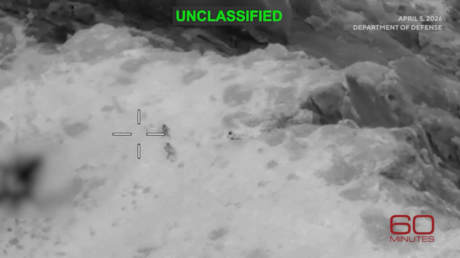
АНУ-ын Зэвсэгт хүчин Ираны Исфахан хотын ойролцоо сөнөөгдсөн нисгэгчдээ аврахаар тус улсын нутаг дэвсгэрт гүн нэвтэрч, цэргийн ажиллагаа явуулсан нь ил болжээ.
Дөрөвдүгээр сард болсон энэхүү ажиллагааны үеэр АНУ-ын F-15E Strike Eagle сөнөөгч онгоц Ираны зөөврийн пуужингийн системд өртөн унасны дараа хоёр нисгэгчийг аврахаар 90 гаруй цэргийн алба хаагч газар дээр нь ажилласан байна. АНУ-ын Төвийн командлалын адмирал Брэд Куперийн мэдээлснээр, энэ нь сүүлийн 46 жилийн хугацаанд АНУ-ын цэргүүд Ираны нутаг дэвсгэр дээр албан ёсоор хөл тавьсан анхны тохиолдол болжээ.
Аврах ажиллагааны явцад АНУ-ын тал нийт 150 гаруй нисэх онгоц, тэр дундаа сөнөөгч болон бөмбөгдөгч онгоцуудыг дайчилж, 339 нэгж галт зэвсэг, сум хэрэгсэл ашигласан байна. Ажиллагааг амжилттай болгохын тулд Ираны хувьсгалт гвардийн хүчний байрлалуудад цохилт өгч, тусгай зориулалтын тээврийн онгоцуудыг ашиглан нисгэгчдийг эсэн мэнд гаргаж авчээ.
Гэвч ажиллагааны үеэр хоёр ширхэг MC-130J Commando II тээврийн онгоц зөөлөн хөрсөнд шигдэн гацсан тул АНУ-ын цэргүүд тэдгээр онгоцыг Ираны талд алдахгүйн тулд устгахаас өөр аргагүйд хүрсэн байна. Тус бүр нь 100 сая ам.долларын өртөгтэй эдгээр онгоц болон MH-6 Little Bird нисдэг тэрэгнүүдийг устгаж, гацсан цэргийн алба хаагчдыг нэмэлт онгоцуудаар нүүлгэн шилжүүлжээ.
Энэхүү үйл явдлыг олон улсын ажиглагчид 1980 онд Иранд барьцаалагдсан хүмүүсийг аврах зорилгоор явуулж, бүтэлгүйтсэн “Eagle Claw” ажиллагаатай харьцуулан авч үзэж байна. АНУ-ын Пентагоны зүгээс ил болгосон шинэ дүрс бичлэгүүд нь тухайн үеийн цэргийн ажиллагааны цар хүрээ болон эдийн засгийн өндөр өртгийг тодорхой харуулж байна.
Дэлгэрэнгүйг эх сурвалжаас харах
↓Эх сурвалжийг нээх ↓
New details reveal the scale and material cost of an operation to recover two American airmen shot down near Isfahan
Newly declassified footage has revealed US troops operating deep inside Iran during an April mission to recover two American airmen whose F-15E Strike Eagle was shot down near Isfahan.
More than 90 US service members ultimately deployed on the ground, while several hundred personnel were in the air and several thousand supported the operation, CENTCOM commander Adm. Brad Cooper told CBS’ 60 Minutes. He described them as the first acknowledged US “boots on the ground” in Iran in 46 years.
The two-seat F-15E, valued by CBS at about $30 million, was brought down on April 3 by an Iranian shoulder-fired missile costing roughly $100,000 while carrying out a strike on facilities linked to Tehran’s missile and drone programs south of Isfahan. Its crew, identified only by their mission call signs “Alpha” and “Bravo,” ejected and landed about five miles apart.
Alpha, the pilot, was recovered several hours later after the US sent 21 aircraft into Iran. American helicopters came under fire during the extraction, and one was hit by small-arms fire, wounding crew members. An A-10 involved in the search was also hit, forcing its pilot to eject after leaving Iranian airspace.
Bravo, the weapons systems officer, remained in Iran for roughly two days after suffering a broken back, arm and shoulder during his ejection. Iranian forces were searching for him as Washington mounted a much larger second extraction effort.
Newly released infrared footage shows US aircraft striking IRGC forces near Bravo’s position before two large special-operations transports landed on a makeshift strip inside Iran. MH-6 “Little Bird” helicopters were then deployed to retrieve him from mountainous terrain.
Another declassified clip shows two US Air Force pararescuers on the ground inside Iran approaching the wounded Bravo, grabbing him and taking him to an American helicopter.
First on 60 Minutes: Newly declassified video shows service members from U.S. Joint Special Operations Command rescuing Bravo, one of the two U.S. Air Force officers shot down over Iran in April. Bravo was stranded for two days – alone and badly wounded, behind enemy lines.… pic.twitter.com/jAfLa5tfL7
— 60 Minutes (@60Minutes) September 14, 2026
The operations involved an extraordinary amount of firepower. US forces fired or dropped 339 munitions inside Iran – 123 during the effort to recover Alpha and another 216 during the mission to extract Bravo, according to CBS. The Pentagon ultimately surged more than 150 aircraft for the second rescue alone, including 64 fighters, four bombers, 48 refueling tankers, 13 rescue aircraft and 26 intelligence and electronic-warfare planes.
The extraction then ran into further trouble when two MC-130J Commando II transports reportedly became stuck in soft ground and could not take off. CBS said US forces themselves destroyed both aircraft, valued at roughly $100 million each, along with the Little Bird helicopters, to prevent them from falling into Iranian hands. Three additional aircraft had to be sent into Iran to evacuate the stranded force.
The newly declassified material provides the clearest official account yet of the scale of Washington’s April incursion, which had drawn comparisons with the failed 1980 Operation Eagle Claw, when a US attempt to rescue US Embassy hostages in Iran ended after mechanical failures and an aircraft collision killed eight US servicemen.
You can share this story on social media: