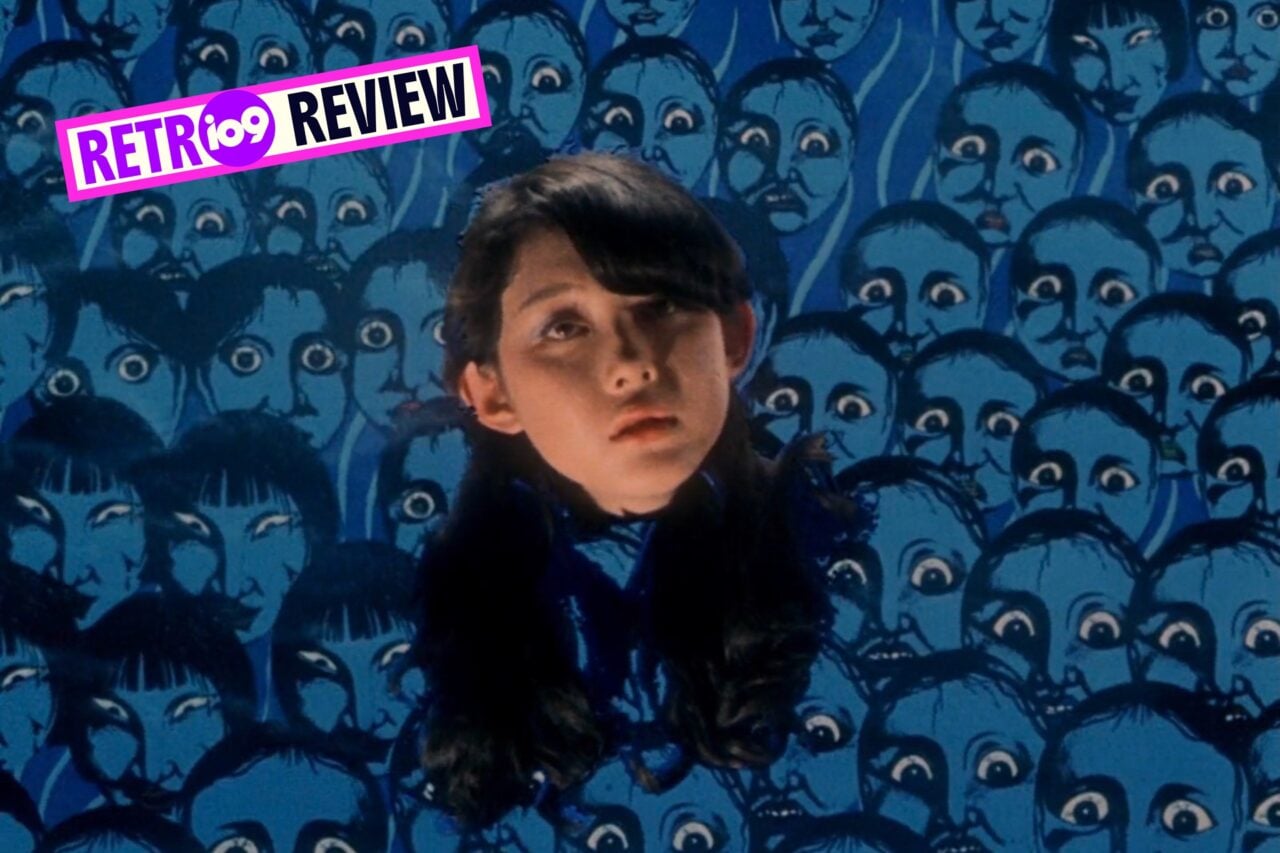
Аймшгийн болон инээдмийн жанрын элементүүдийг хослуулсан Нобухико Обаяшигийн 1977 оны “House” бүтээл нь өнөөг хүртэл үзэгчдийн анхаарлыг татсаар байгаа өвөрмөц кино юм.
Найруулагч Нобухико Обаяшигийн 1977 онд бүтээсэн “House” кино нь аймшгийн болон инээдмийн төрлийг хослуулсан шинэлэг бүтээл хэмээн үнэлэгддэг. Киноны үйл явдал ахлах сургуулийн долоон охин амралтаараа найзынхаа нагац эгчийн алслагдсан байшинд зочлохоор шийдсэнээр эхэлдэг. Гэвч тус байшин нь амьгүй эд зүйлс нь хүмүүсийг хөнөөхийг оролддог аймшгийн газар байсан нь тэдний төсөөлөөгүй зүйл байлаа.
Киноны дүрслэл нь нэгэн хэвийн бус, маш динамик бөгөөд тайз засалт, тусгай эффектүүд нь тухайн үеийнхээ кино урлагийн түвшнээс түрүүлсэн гэж үздэг. Хэдийгээр ногоон дэлгэцийн болон бусад техникүүд нь төгс бус харагдах үе байдаг ч энэ нь бүтээлийн мөрөөдөллөг, хийсвэр уур амьсгалыг улам тодотгож өгчээ.
Өдгөө “House” кино нь HBO Max, Tubi болон Criterion Channel платформ дээр цацагдаж байна. Хүүхдийн нүдээр харсан аймшгийн ертөнцийг инээдмийн өнгө аястай хослуулсан энэхүү бүтээл нь өнөөг хүртэл давтагдашгүй сонгодог киноны тоонд багтсаар байна.
Дэлгэрэнгүй эх сурвалжийг харах
Эх сурвалжийг нээх ↓
I’ve long been a huge proponent of the idea that horror films and comedies are genre cousins. While good comedies make audiences laugh, effective horror follows a similar path, using a punchline to make audiences scream. In my book, the best horror movies balance both. That is why, nearly 50 years after its release, Nobuhiko Obayashi’s 1977 filmHouseis my favorite cinematic chimera of horror and comedy.
House isn’t your typical horror movie. For starters, it’s not particularly scary. If anything, it’s the physical embodiment of a friend leaning in to crack a joke during a horror movie you’re trying your damnedest not to giggle or chortle too loudly and ruin everyone else’s immersion in the theater. But what it lacks in night-terror scares it makes up for with its utterly “using all parts of the animal” ingenious filmmaking, creating an utterly charming fever dream of a horror film, with corny Saturday morning cartoon antics serving as the upholstery of its monster house.
The film follows a septet of high school girls with utterly unserious charactonymous names: Gorgeous (Kimiko Ikegami), Fantasy (Kumiko Oba), Mac (Mieko Sato), Sweet (Masayo Miyako), Melody (Eriko Tanaka), Prof (Ai Matsubara), and best girl, Kung Fu (Miki Jinbo). When Gorgeous’ father reveals his plan to remarry years after her mother’s death to make their family whole again, she runs away from home under the guise of an impromptu girls’ trip with her friends to her auntie Karei Hausu’s house. Little do they know, Auntie’s remote house on the hill is a house of horrors where every inanimate object is hell-bent on killing them.
What makesHousesuch a remarkable horror movie is how utterly manic, unpredictable, and awe-inspiring its cinematography is. One moment, the film is your typical nostalgic high school romp, with girls gazing at sunsets and fawning over boys. The next, their faces are melting in a mirror, they’re being attacked by furniture, and they’re drowning in a river of blood. Whenever Kung Fu hits the scene to rescue her friends,House transforms into a cheesy wire-act martial arts movie. In any other world, these disparate tones would clash so violently it’d hurt the film. With House, that’s its strength as a silly little film. The film brings its phantasmagoria of imagery to life using nearly every film technique in the book, for an intentionally comedic effect and a wildly ahead-of-its-time display of imaginative filmmaking.
The film not only slows the frame rate to accentuate body possession when things get spooky, but it’s also awash in Looney Tunes-esque iris wipes and silly shots, like YouTuber red arrow: “Pay attention to this!” The film truly earns its status as a cult classic gem for its incredibly ahead-of-its-time-feeling special effects. Granted, the film’s chroma keying isn’t picture-perfect; at times, shadows carry over in the cutting and overlaying of green-screening in ways that are incredibly hard not to notice. But honestly, those imperfections make House’s filmmaking even more charming, because they’re largely moot compared with the utterly dreamlike imagery Obayashi pulls out of the blue-and-green-screen compositing. Once things get into gear, the film’s final act delivers a truly psychedelic experience, with winks of stop-motion that blend the look of a living nightmare with a whimsical daydream.
Everything from flying heads and sentient telephone wires to hungry, hungry pianos has the girls wigging out as they try their damnedest to rationalize it. After a while, the girls have no choice but to accept the hard truth that they don’t have a Scooby-Doo about why any of this madness is happening to them. It doesn’t help that their would-be knight in shining armor, their teacher Mr. Togo (Kiyohiko Ozaki), is too busy side-questing to come to their rescue. Also, Gorgeous’ Auntie ain’t right in the head either. Every time they regain any sense of normalcy, Auntie gives the girls and the audience a mischievous smile. All they know is they think they’re going to die in this house. All the while, Obayashi delivers a truly remarkable, laugh-out-loud cinematic experience of what horror would look like through a child’s eyes that will never be duplicated.
House is streaming on HBO Max, Tubi, and the Criterion Channel.
Want more io9 news? Check out the best movies and TV shows to stream this month and all the upcoming sci-fi, fantasy, and horror books that should be on your radar.

