
Боливийн Амазоны бүсэд амьдардаг уугуул иргэдийн дунд сэтгэцийн хомсдол үүсэх эрсдэл дэлхийн бусад бүс нутгаас даруй 3-4 дахин бага байгааг шинэ судалгаагаар тогтоожээ.
Arizona State University-ийн эволюцийн антропологич Ben Trumble болон түүний баг Боливийн Tsimané болон Mosetén иргэдийн дунд таван жилийн хугацаанд судалгаа явуулжээ. Судалгаанд хамрагдсан 730 насанд хүрэгчдийн дунд сэтгэцийн хомсдолын тархалт 2 хувиас бага байсан нь судлаачдын анхаарлыг татсан байна. Энэхүү үзүүлэлт нь АНУ болон Европын орнуудтай харьцуулахад эрс бага байгаа юм.
Судлаачдын дүгнэснээр, тус иргэдийн амьдралын хэв маяг, ялангуяа хөдөлмөр эрхлэлт, хооллолт болон зүрх судасны өвчлөлийн эрсдэл бага байдаг нь тархины эрүүл мэндийг хамгаалахад нөлөөлж байж болзошгүй гэж үзжээ. Гэвч сэтгэцийн хомсдол үүссэн тохиолдолд эдгээр иргэдийн дундаж наслалт АНУ-ынхтай харьцуулахад 2-3 дахин богино байгаа нь тогтоогдсон байна. Энэ нь өдөр тутмын хүнд хүчир хөдөлмөр эрхэлдэг амьдралын хэв маягтай холбоотой байж магадгүй гэж Ben Trumble тайлбарлав.
University of Southern California-ийн геронтологич Margaret Gatz-ийн тэмдэглэснээр, судалгаанд хамрагдсан хүмүүсийн дунд илэрсэн сэтгэцийн хомсдол нь Альцгеймерийн өвчний сонгодог шинж тэмдгүүдээс ялгаатай байжээ. Ихэнх тохиолдолд Паркинсоны өвчний шинж тэмдэг болон судасны гаралтай өөрчлөлтүүд давамгайлж байсан нь судалгааны урьдчилсан дүнгээр тодорхой болсон байна.
Гэсэн хэдий ч судалгааны багийнхан эдгээр иргэдийн дунд сэтгэцийн хомсдол яагаад бага байгааг бүрэн тайлбарлаж чадаагүй хэвээр байна. Дараагийн шатны судалгаагаар генетик, амьдралын хэв маяг, хооллолт болон дархлааны тогтолцооны хүчин зүйлс хэрхэн нөлөөлж байгааг нарийвчлан судлахаар төлөвлөж байгаа ажээ. Уг судалгааны үр дүнг Alzheimer’s & Dementia сэтгүүлд нийтэлжээ.
Дэлгэрэнгүйг эх сурвалжаас харах
↓Эх сурвалжийг нээх ↓
Two remote Indigenous communities in the Bolivian Amazon are said to have some of the lowest rates of dementia in the world.
Researchers suspect that something about their lifestyles could be protecting them from vascular issues and cognitive decline.
Now, a new study has tracked the health of older people in Tsimané and Mosetén communities for five years and found something surprising.
Fewer than 2 percent of participants were living with dementia at the follow-up analysis, a rate that scientists say is “strikingly low”.
That is partly because some people who developed dementia had died. But overall, the rate of new dementia cases in these five years was modestly lower than in many US and European studies.
This means that shorter survival isn’t the only explanation.
Compared to these remote communities, dementia prevalence in the US and Europe remains three to four times higher.
“This means that it is not just that people do not survive long after developing dementia; something about the Tsimané lifestyle results in lower dementia rates than we see in the US,” explains evolutionary anthropologist and human biologist Ben Trumble from Arizona State University.
In the study, Trumble and colleagues tracked the health of 730 adults in the Tsimané and Mosetén communities, who did not have dementia at their initial assessment.
Five years on, only 22 of these individuals had developed dementia, and some had passed away.
The team speculates that a subsistence lifestyle with low vascular risk factors may be silently protecting the group’s brain health.
The Tsimané are an Indigenous population of roughly 17,000 who live a physically demanding subsistence lifestyle.
They fish, hunt, and farm along an Amazon tributary, with minimal access to electricity, clean water, sewage treatment, or medications.
The Mosetén, meanwhile, are a population of roughly 3,000 who live in rural villages and rely on subsistence work, mainly agriculture.
This community is genetically and linguistically related to the Tsimané, but they have greater Spanish fluency and access to clean water, store-bought foods, and medical services.
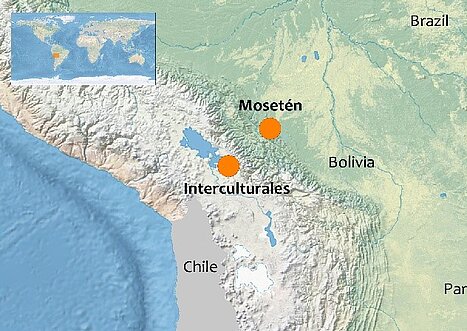
While both Indigenous populations have similar rates of mild cognitive impairment compared to Western populations, scientists found that their rates of dementia are much lower than in other parts of the world, as are their rates of coronary artery calcification.
“That challenges us to identify the risk factors for developing dementia in the Tsimané population,” says lead author and gerontologist Margaret Gatz from the University of Southern California.
In the Tsimané and Mosetén communities, Gatz and colleagues have now found that older age and the genetic variant, apolipoprotein E ε4 allele, were the strongest risk factors behind new cases of dementia.
These are similar biological (non-lifestyle) risk factors to those in the US and other industrialized, high-income nations.
This suggests that one of the reasons dementia may not be as common among Tsimané and Mosetén communities is because there aren’t as many older people living with dementia.
Dementia patients in these remote communities faced more than six times the mortality risk of those with normal cognition.
After a dementia diagnosis, survival was, on average, two to three times shorter than in the US.
“When you have to grow, gather or hunt nearly every calorie you eat, dementia can rapidly become life-threatening because it takes away the independence that daily survival requires,” explains Trumble.
But age, genetics, and death rates from dementia couldn’t explain the entire picture.
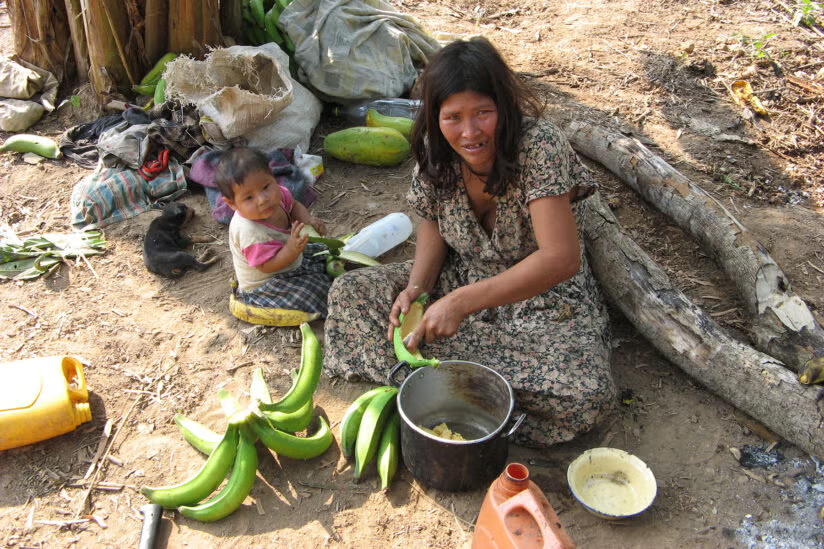
Curiously enough, researchers found that the majority of dementia cases in Tsimané and Mosetén communities are not typical of Alzheimer’s disease.
Instead, many dementia patients show parkinsonian symptoms and signs of vascular disease or stroke risk.
“In most Tsimané with cognitive impairment or dementia, the pattern of atrophy in the brain is not typical of Alzheimer’s disease,” says Gatz.
“Rather, there are changes indicative of vascular contributions to cognitive impairment and dementia.”
A preliminary analysis of brain biomarkers in the blood revealed a “strong indication of neurodegeneration and neuroinflammation” among participants with dementia, which the authors say “could reflect vascular brain injury.”
These findings remain speculative until scientists conduct further follow-up studies.
But the authors suspect that “a subsistence lifestyle may plausibly be protective against dementia, with low exposure to usual modifiable risk factors for dementia such as obesity, hypertension, diabetes, and physical inactivity.”
That sounds straightforward and logical, yet so far, research among Tsimané and Mosetén communities has not found that those with better metabolic health are any less likely to develop dementia.
Related: The Sad Case of The Youngest Person Ever to Be Diagnosed With Alzheimer’s
Perhaps other lifestyle factors are confounding the results.
While Tsimané and Mosetén populations eat a high-fiber, low-sugar, low–saturated fat diet and show high levels of physical activity, they are also exposed to a great number of pathogens, a low availability of antibiotics, and nearly no vaccination, which may raise dementia risk.
What is truly protecting the brains of these remote Indigenous communities from Alzheimer’s remains a mystery.
“Our next step is to disentangle the relative contributions of genetics, lifestyle, diet, social engagement, physical activity and immune exposures to dementia risk,” says Trumble.
“If we can identify the factors protecting people in the Bolivian Amazon and understand the biological mechanisms behind them, we may be able to turn those insights into new ways of preventing dementia here at home.”
The study is published in Alzheimer’s & Dementia.
This article was fact-checked by Rachel Garner and edited by Fiona MacDonald. While we pride ourselves on our process, we are only human. If you spot a mistake, please let us know.

