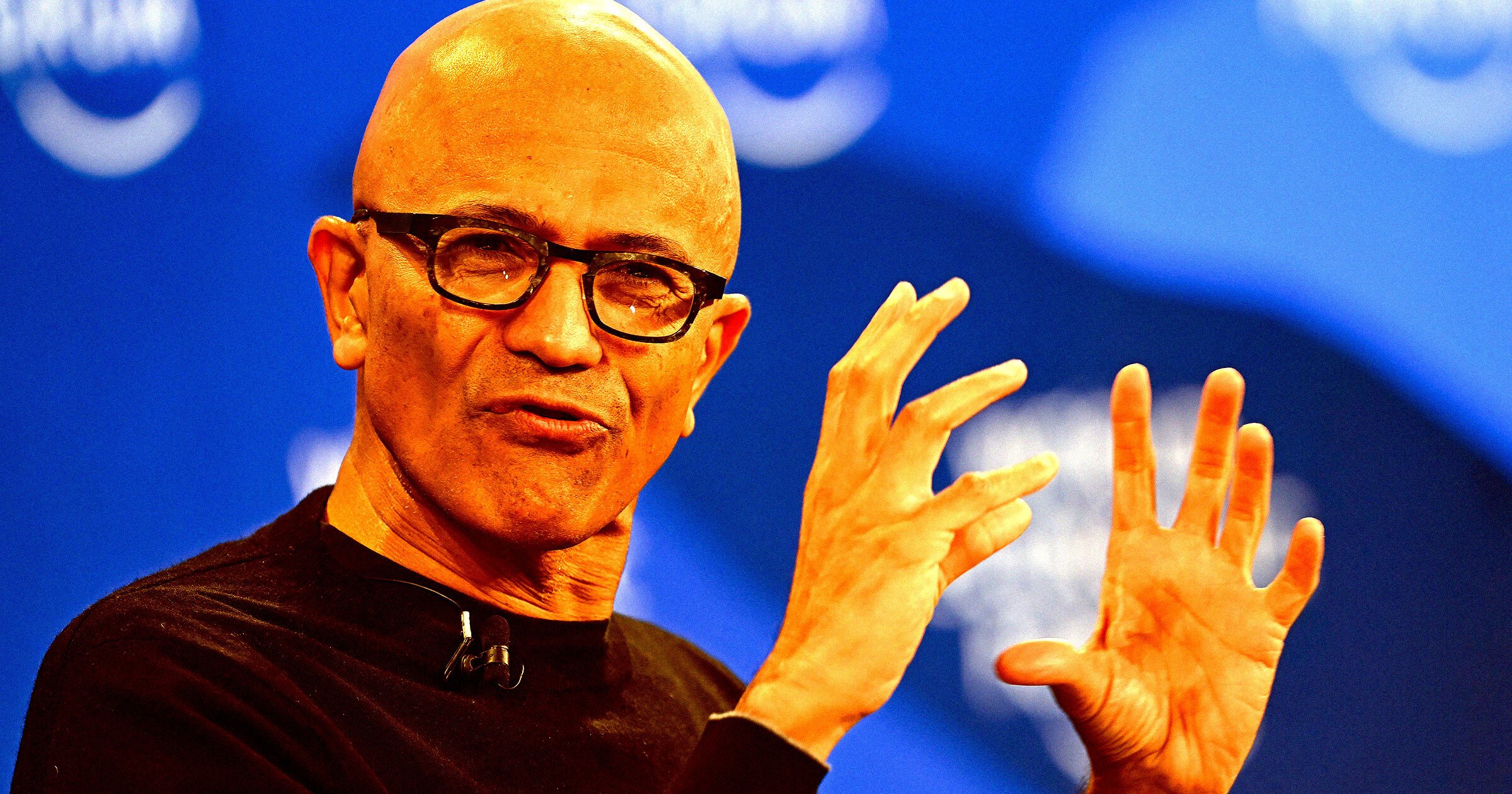
Майкрософт компанийн удирдлагууд хиймэл оюун ухааны загварууд нь мэдээллийн эх сурвалжуудын контентыг хулгайлж, салбарын эдийн засгийн суурийг ганхуулж байгааг хүлээн зөвшөөрчээ.
Шүүхэд дэлгэгдсэн баримтуудаас үзэхэд, Майкрософт компанийн Хэрэглээний шинжлэх ухааны захирал Брент Хеч хиймэл оюун ухааны контент боловсруулах стратеги нь эргээд өөрийн загваруудын үр ашгийг бууруулах “мөхлийн тойрог”-ийг бий болгож байгааг анхааруулсан байна. Эцсийн бүтээгдэхүүн нь өөрийн ажиллах гол түүхий эд болох мэдээллийн эх сурвалжуудын оршин тогтнох үндсийг үгүй хийж байгаа нь LLM буюу том хэлний загваруудын хувьд туйлын эрсдэлтэй нөхцөл байдал юм.
Майкрософт компанийн гүйцэтгэх захирал Сатья Наделла ч мөн адил хиймэл оюун ухааны чатботууд нь хэрэглэгчдийг анхдагч эх сурвалж руу хандах шаардлагагүй болгож, мэдээллийг өөрийн платформ дээр орлох болсныг дурджээ. Шүүхийн баримтаас харахад OpenAI компани загваруудаа сургах өгөгдөл олж авахдаа төлбөртэй мэдээллийн эх сурвалжуудыг тойрч гарах арга замуудыг идэвхтэй ашиглаж байсан нь тодорхой болсон байна.
Эдгээр баримтууд нь “New York Times” сониноос OpenAI-ийн эсрэг үүсгэсэн зохиогчийн эрхийн шүүх хурлын үеэр ил болсон бөгөөд Майкрософт компанид ч мөн холбогдож байгаа юм. Тус хэрэгт OpenAI-ийн үүсгэн байгуулагч Грег Брокман мэдээллийн эх сурвалжийн төлбөртэй хандалтыг тойрч гарах аргын талаар мэдээлэл хүлээн авч байсан нь тогтоогджээ.
Дэлгэрэнгүйг эх сурвалжаас харах
↓Эх сурвалжийг нээх ↓
Are unchecked AI companies destroying the news and the broader media ecosystem? We could harp on about why this is the case, but why not let the AI executives do the talking?
As revealed in recently unsealed court documents, top Microsoft figures, including CEO Satya Nadella, admitted that their AI models are basically stealing content from media companies while providing virtually nothing in return, creating a “doom loop” that will swallow the web.
These startling admissions come from an ongoing copyright lawsuit against OpenAI by the New York Times, which Microsoft was dragged into as OpenAI’s largest shareholder. To make their case, the NYT‘s attorneys cite several telling statements made by Microsoft and OpenAI leadership.
In one document written by Microsoft director of applied science Brent Hecht, the company lays out the destructive one-way relationship between AI companies and media platforms.
“Our AI content strategy has started a ‘doom loop’ that will hurt the performance of our models and the entire web at the same time,” the document states. “It is highly unusual that an end-product threatens the economic foundations of its essential suppliers, but that is the situation we have created for our LLM business with respect to its ‘content supply chain.’”
Frankly, we couldn’t have said it better ourselves.
CEO Satya Nadella echoed something like this in less drastic terms. Conversing with AI chatbots he said, as quoted by the NYT’s lawyers, “has substituted… giving you the information right there on the website on the AI platform versus needing to go to the underlying source.”
OpenAI allegedly showed few scruples when it came to obtaining the training data it needed to bolster its models, resorting to finding tricks to get around paywalls without detection. When one employee told OpenAI cofounder Greg Brockman about a “hack to get around” the NYT‘s paywall, Brockman had a succinct response: “ah nice.”
The post Microsoft Director Admitted in Internal Document That AI Is Creating a “Doom Loop” That Destroys the News Media by Stealing Its Content Without Providing Anything in Return, in Turn Making the AI Useless appeared first on Futurism.

