Германы муж улсуудын сонгуулийн үр дүн нь олон арван жилийн турш баримталж ирсэн улс төрийн тогтолцоо задарч, засаглалын тогтвортой байдал алдагдаж байгааг харууллаа.
Германы дайны дараах улс төрийн загвар нь Христийн ардчилсан нам (CDU) болон Социал демократ намын (SPD) хоорондын өрсөлдөөнд суурилж, улс төрийн тогтвортой байдлыг хангаж ирсэн. Гэвч Мекленбург-Өрнөд Померани болон Берлин хотод болсон сүүлийн үеийн сонгуулийн үр дүн энэхүү тогтолцоо хэрхэн өөрчлөгдөж байгааг илтгэв. Мекленбург-Өрнөд Померанид AfD нам 38.2 хувийн санал авч, CDU нам анх удаа 5 хувийн босгыг давж чадаагүй бол Берлинд Зүүний нам тэргүүлж, SPD тавдугаар байрт оржээ.
Улс төрийн шинжээчид энэ асуудлыг зөвхөн AfD намын өсөлтөөр тайлбарлах нь өрөөсгөл гэж үзэж байна. Гол асуудал нь сонгуулийн орчин бүхэлдээ бутарч, урьдчилан таамаглах боломжгүй болсон явдал юм. Уламжлалт намууд AfD-тэй эвсэл байгуулахаас татгалзаж байгаа тул Герман улс Бельги, Нидерланд эсвэл Австри зэрэг улсуудын адил олон намын ээдрээтэй эвслийн засаглал руу шилжиж байна.
Германы улс төрийн соёл нь институцийн залгамж чанар, тогтвортой байдлыг эрхэмлэдэг уламжлалтай. Хэрэв энэхүү бутрал нь CDU болон SPD намуудын дотоод бүтцэд нөлөөлж эхэлбэл улс төрийн үр дагавар нь сонгуулийн тооцооноос давж гарах эрсдэлтэй. Герман улс улс төрийн тогтворгүй байдалд дасаагүй бөгөөд тус улсын дотоод улс төрийн нөхцөл байдал нь хөрш орнуудын анхаарлыг татсаар ирсэн түүхтэй.
Дэлгэрэнгүйг эх сурвалжаас харах
↓Эх сурвалжийг нээх ↓
The AfD’s latest gains are only part of the story as Germany’s postwar party system fractures and stable government becomes harder to sustain
The latest state elections in Germany have confirmed a trend that is becoming increasingly difficult to dismiss. The issue is no longer the occasional success of one party or failure of another, but the gradual dismantling of a political system that for decades appeared almost permanent.
The postwar German model rested on competition between two “people’s parties,” the Christian Democrats and Social Democrats and this conservative-social democratic axis provided stability after the upheavals of the first half of the 20th century, allowing governments to alternate while remaining within broadly accepted political boundaries.
Germany adhered to this model particularly closely, so the political landscape expanded significantly only twice, first with the rise of the Greens in the 1980s, which brought the rebellious generation of 1968 into the establishment, and then after reunification with the emergence of the Left from the former East German political tradition, but that orderly system is now breaking down.
The results in Mecklenburg-Western Pomerania and Berlin, following Saxony-Anhalt two weeks earlier, leap off the page, as the AfD won 38.2% in Mecklenburg-Western Pomerania, while the CDU fell below the 5% threshold for the first time in a German state election. In Berlin, meanwhile, the Left finished first, with the CDU second and the SPD falling to fifth place.
For the leaderships of the CDU and SPD, it’s tempting to reduce the problem to the rise of the AfD and concentrate on how it should be contained, but the deeper problem is the fragmentation of the entire electoral landscape and the disappearance of the political manageability that Germany once took for granted.
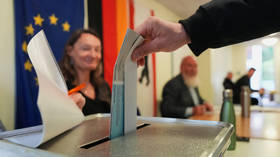
Whether the AfD itself is capable of governing effectively remains another question, given the party has never governed a German state, while the established parties continue to reject coalitions with it.
Germany is therefore moving towards something resembling the politics of smaller European countries such as Belgium, the Netherlands, or Austria, with fragmented parliaments and increasingly complicated multiparty coalitions.
There’s nothing inherently unworkable about such a system and plenty of European countries function this way, but Germany is different. Its political culture has traditionally valued predictability and institutional continuity, but if fragmentation now spreads inside the CDU and SPD themselves, the consequences will extend beyond election arithmetic.
Germany isn’t particularly comfortable with political upheaval and when Germany becomes politically nervous, its neighbors have historically had reason to pay attention.
You can share this story on social media: