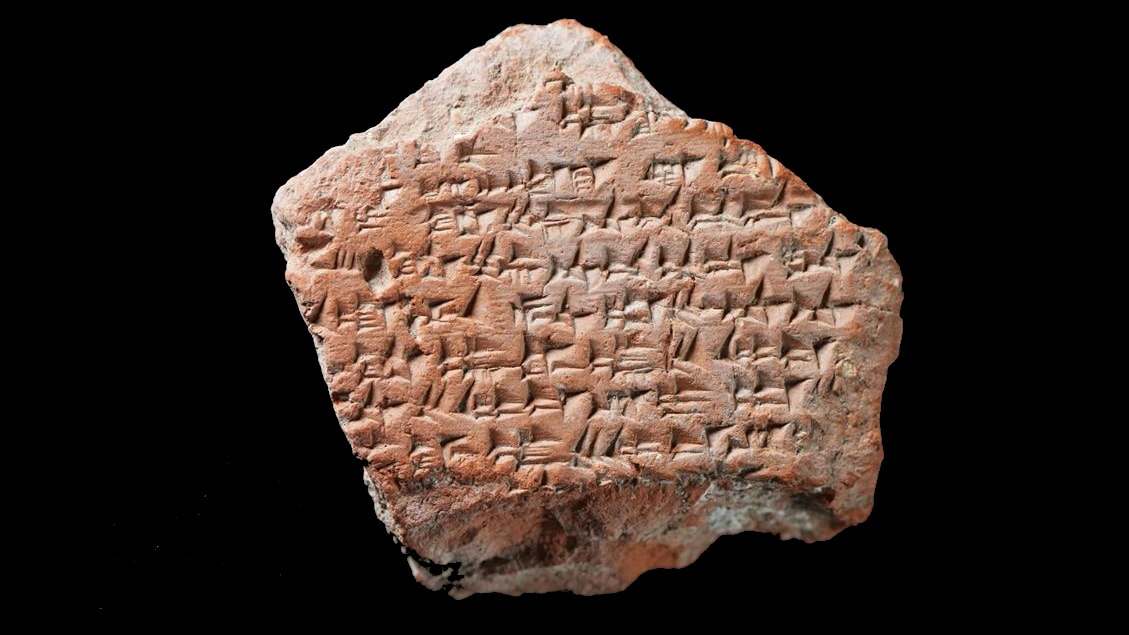
Туркийн нутаг дэвсгэрээс олдсон 3200 жилийн настай шавар бичээс нь түүхэн дэх анхны энхийн гэрээний нэг хэсэг болох нь тогтоогджээ.
Туркийн Соёл, аялал жуулчлалын яам есдүгээр сарын 21-нд Олон улсын энх тайвны өдрийг тохиолдуулан Хиттийн эзэнт гүрний нийслэл Хаттуша хотын малтлагаас эртний бичээсийн хэлтэрхий олсноо зарлав. МЭӨ 1269 он орчимд Египетийн фараон Рамзес II болон Хиттийн хаан Хаттусили III нарын хооронд байгуулсан Кадешийн гэрээний энэхүү хэсэгт дайны үеэр хоёр улсын хооронд дүрвэсэн хүмүүсийн эрх зүйн байдлыг тусгасан 12-20 дугаар зүйлүүд багтжээ.
Олдвор нь дүрвэгсдийг хүчээр буцаах, тэднийг шийтгэх тодорхой хязгаарлалтуудыг тогтоосон заалтуудыг агуулж байна. Гэрээнд дүрвэгсдийн эрхтнийг таслах, гэр бүл болон орон байрыг нь сүйтгэхийг хориглосон нь тухайн үеийн дипломат харилцааны чухал баримт болж байна. Энэхүү бичээсийг Хаттуша дахь Бүюүккале хааны ордны цогцолбороос олсон бөгөөд одоогоор бүрэн эхээр нь хөрвүүлээгүй байна.
Кадешийн гэрээ нь эртний Аккад хэл дээр шавар хавтан дээр сийлэгдсэн бөгөөд өмнө нь Египетийн Луксор хотын сүмүүдээс хироглиф хэлбэрээр илэрч байсан түүхтэй. Уг гэрээ нь зөвхөн дүрвэгсдийн асуудал бус, харилцан үл довтлох, цэргийн тусламж үзүүлэх болон хаан ширээ залгамжлах үүрэг амлалтуудыг багтаасан “Мөнхийн гэрээ” гэгддэг.
Хаттуша хотын малтлага үргэлжилж байгаа бөгөөд цаашид энэхүү гэрээний бусад хэсгүүд олдох магадлалтай гэж судлаачид үзэж байна. Гэрээний эх хувь болох мөнгөн хавтангууд өнөөг хүртэл олдоогүй тул олдсон шавар хэлтэрхий нь уг баримт бичгийг судлах хамгийн гол эх сурвалж болон үлджээ.
Дэлгэрэнгүйг эх сурвалжаас харах
↓Эх сурвалжийг нээх ↓
The clay is small. The text on it is about 3,200 years old. And the words concern what a kingdom owed to people who fled a war.
Archaeologists excavating Hattusha, the ancient capital of the Hittite Empire in north-central Turkey, have found a fragment of a cuneiform tablet belonging to the Treaty of Kadesh, the oldest known peace treaty in recorded history. Turkey’s Ministry of Culture and Tourism announced the discovery on September 21, timing the news to the International Day of Peace.
The treaty was signed around 1269 B.C. by Egyptian pharaoh Ramesses II and Hittite king Hattusili III, roughly 15 years after the famous Battle of Kadesh. It brought an end to a long conflict between the two powers over territory across the eastern Mediterranean. The newly discovered fragment corresponds to Articles 12 through 20 of the agreement, the section dealing with refugees who crossed between the two kingdoms during the conflict.
Fragment Covers the Treaty’s Refugee Rules
The fragment deals specifically with the treaty’s refugee rules.
Those articles set out a mutual obligation: anyone who fled from Egypt into Hittite territory had to be returned, and anyone who fled from Hittite territory into Egypt had to be returned as well. Fleeing was considered a crime under the agreement. But the treaty also placed clear limits on punishment.
“Their tongue and their eyes are not to be pulled out; their ears and their feet are not to be cut off; their houses with their wives and their children are not to be destroyed,” reads the relevant passage, according to a translation provided by the Turkish Ministry of Culture and Tourism.
Part of that text appears on the newly discovered fragment, according to the ministry’s statement. The piece was unearthed from a building at the Büyükkale royal palace site within Hattusha, and a full transcription of the fragment has not yet been released.
Treaty of Kadesh Survived in Two Ancient Forms
The Treaty of Kadesh survives in two ancient forms.
Early in the 19th century, scholars first identified it in hieroglyphics inscribed on the walls of a temple dedicated to Ramesses II in Thebes, now modern Luxor. Then, in the early 20th century, cuneiform fragments of the Akkadian version turned up during excavations at Hattusha itself. They were written in Akkadian, the earliest documented Semitic language.
The original clay tablets are held at the Archaeological Museum in Istanbul. The treaty reaches well beyond the return of refugees, laying out mutual nonaggression, pledges of military assistance if either kingdom is invaded, and guarantees of succession requiring Egypt to support the Hittite king’s heir if internal rivals challenged the throne.

Its preamble describes the arrangement as permanent: “The country of Egypt and the country of Hatti will be forever in a state of peace and of fraternity as it is with us.”
UNESCO added copies of the document to its Memory of the World Register in 2001. A copper replica of the treaty, made by sculptor Sadi Calik and presented to the United Nations by Turkey in 1970, hangs in the second-floor delegates’ corridor of the UN Conference Building in New York, near the entrance to the Security Council Chamber.
Hattusha Excavations May Recover More Pieces
Thousands of cuneiform artifacts have been uncovered at Hattusha since excavations began there. The city served as the Hittite Empire’s capital from roughly 1650 to 1200 B.C. and has produced an extensive archive of diplomatic documents written in Akkadian, including other fragments of the Kadesh treaty.
The ministry said ongoing excavations may recover additional pieces of the agreement.
The treaty is also known as the Egyptian-Hittite peace treaty, the Eternal Treaty, and the Silver Treaty. That last name comes from its original form: the agreement was inscribed on silver tablets. None of those tablets has survived.
Enjoyed this article? Subscribe to our free newsletter for engaging stories, exclusive content, and the latest news.

