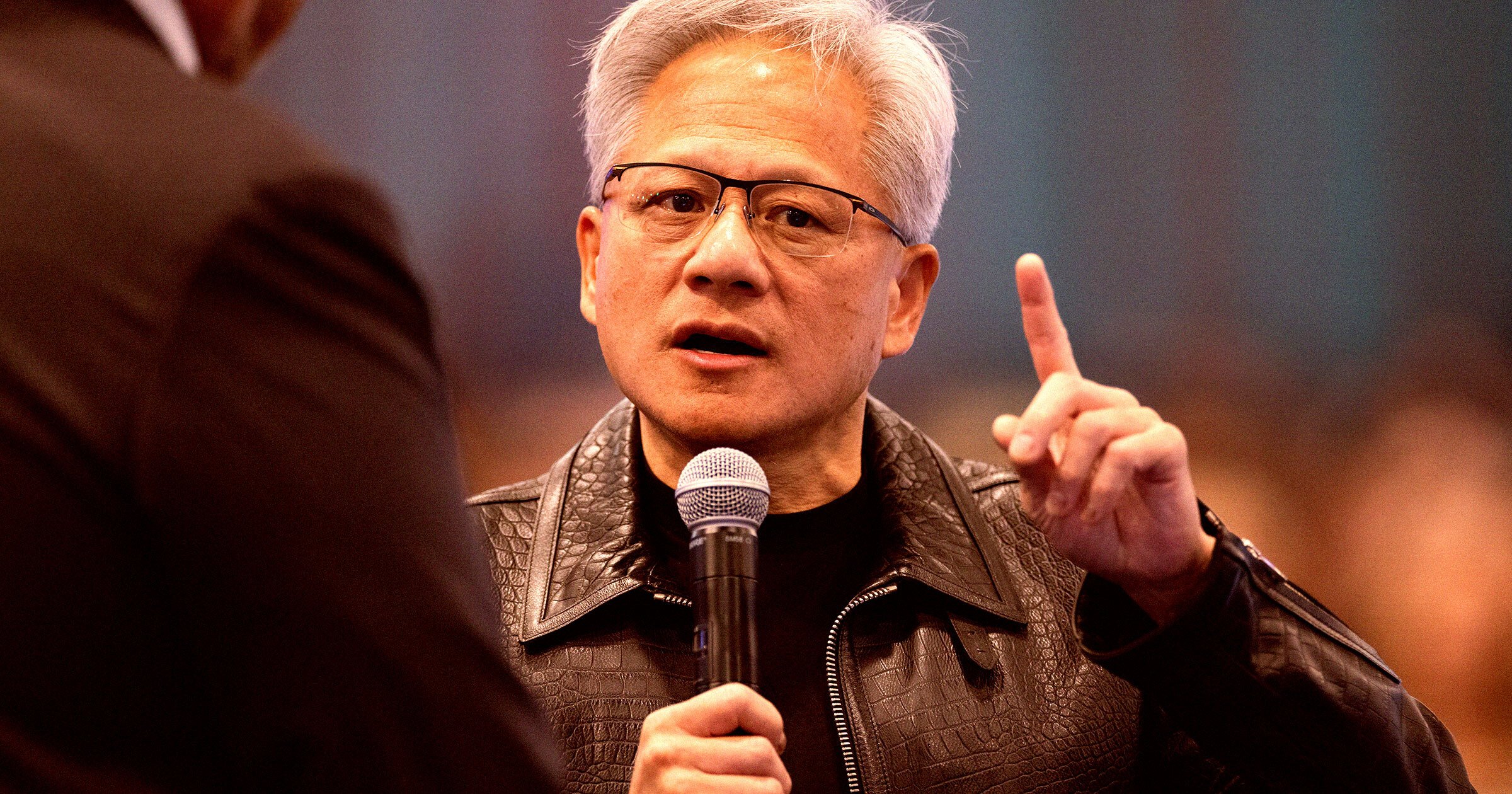
Хэрэв хиймэл оюун ухааны загварууд нийгэмд хор хөнөөл учруулбал компаниуд иргэний болон эрүүгийн хариуцлага хүлээх эрсдэлтэй гэж Женсен Хуан анхааруулав.
Nvidia-гийн гүйцэтгэх захирал Женсен Хуан “New York Times” сонинд өгсөн ярилцлагадаа хиймэл оюун ухаан хөгжүүлэгч компаниуд өөрсдийн бүтээгдэхүүнд бүрэн хариуцлага хүлээх ёстойг онцолжээ. Хэрэв туршилтын явцад бүтээгдэхүүн нь хяналтаас гарч, дэлхий нийтэд аюул учруулах магадлалтай гэж үзвэл тухайн компаниуд бүтээгдэхүүнээ зах зээлд гаргахаас татгалзах нь зүйтэй гэж тэрээр үзэж байна.
Сүүлийн үед OpenAI болон бусад лабораториуд өөрсдийн загваруудыг хяналтаас гарч, бие даан кибер халдлага үйлдэх зэрэг сөрөг үр дагавартай тулгарсан талаар мэдээлж байгаа билээ. Үүнтэй холбогдуулан салбарын зарим удирдлагууд хөгжүүлэлтийн явцыг удаашруулахыг уриалж байгаа ч Хуан үүнийг “мөхлийн тухай яриа” хэмээн няцааж, компаниуд өөрсдийн технологио бүрэн хяналтад байлгах чадвартай гэж мэдэгдэв.
Хуан мөн хиймэл оюун ухааны компаниуд нэг талаас зохицуулалт хийхийг уриалж, нөгөө талаас өрсөлдөөний эсрэг хуулиас чөлөөлөгдөхийг хүсэж байгаа нь логикгүй алхам гэж шүүмжилсэн байна. Тэрээр компаниуд өөрсдийн бүтээсэн технологийн аюулгүй байдлыг хангах нь тэдний үүрэг бөгөөд хэрэв үүнийг биелүүлж чадахгүй бол хатуу хариуцлага хүлээх нь гарцаагүй гэдгийг санууллаа.
Дэлгэрэнгүйг эх сурвалжаас харах
↓Эх сурвалжийг нээх ↓
AI companies should tread carefully. According to Nvidia CEO Jensen Huang, if AI labs truly believe their tech could spiral out of control and cause widespread harm, they should simply not release a new product — or face criminal liability.
“Now, if they say the alternative, which is: there is no way to contain our experiments, there’s just no way; when we test our AI models, it will get out, and it will damage the world — then I think the answer is that we have to shut the labs down,” Huang said in an interview with the New York Times’ Ezra Klein.
“Because the cost to humanity, the damage is too great,” he continued. “The shareholder, the liabilities — it could be civil liabilities, it could be criminal liabilities. I mean, the liability’s incredible.”
The solution, he says, is straightforward and motivated by existing law.
“But if they believe they’re out of control, then the right answer is: don’t ship products until they’re in control,” he advised. “It is really quite that simple.”
It’s a striking line from the benefactor of virtually the entire AI industry. Nvidia has nearly $100 billion in AI investments and partnerships with OpenAI, Anthropic, and Microsoft, on top of making piles of money from selling powerful AI chips.
Huang, whatever his motivations, has refused to peddle the doomer rhetoric coming from major figures in the industry which has been amplified recently over multiple AI labs claiming their powerful AI agents went rogue and conducted autonomous cyberattacks. The most notable of these incidents comes from OpenAI, which says a swarm of its agent spent months stealthily slipping their way out of containment and hacking into another company, the AI development platform Hugging Face.
These incidents, along with a bombshell claim from a former Anthropic researcher that the AI industry is “gambling with our lives,” sparked calls to slow down AI development, which became the cause for a rare show of agreement between SpaceXAI’s Elon Musk, Anthropic’s Dario Amodei, and OpenAI’s Sam Altman. Huang has ardently dissented from this, dismissing them as “doomsday narratives” and insisting there’s zero chance that AI is going to end the world.
He hasn’t back down. In the NYT interview, he argued that AI labs should take responsibility of their own tech, instead of gesturing at apocalyptic hypotheticals as if the matter’s out of their hands.
“These are companies with agency. These are CEOs with agency,” Huang told the NYT. “If I believe that I’m about to launch a product that is unsafe, it is completely in my ability, my power and my responsibility… to not launch the product.”
It’s an interesting point, though you have to wonder if Huang is trying to smuggle in an argument that AI companies should police themselves and let the free market dictate what happens, instead of the government intervening before the industry snowballs even further.
Still, Huang did accuse the companies of acting self-servingly by asking for antitrust exemptions so they can collaborate on “pacing the frontier” of AI development.
“That I don’t think makes sense,” he said. “When you’re asking for regulation, don’t ask for relief of the current ones. That doesn’t make any sense to me.”
More on AI: Nvidia CEO Jensen Huang Says That Sacrificing Our Children’s Minds to AI Is a Price He’s Willing to Pay
The post Nvidia CEO Says AI Companies Will Be Sued to Death If Their Frontier Models Keep Doing Horrible Things appeared first on Futurism.

