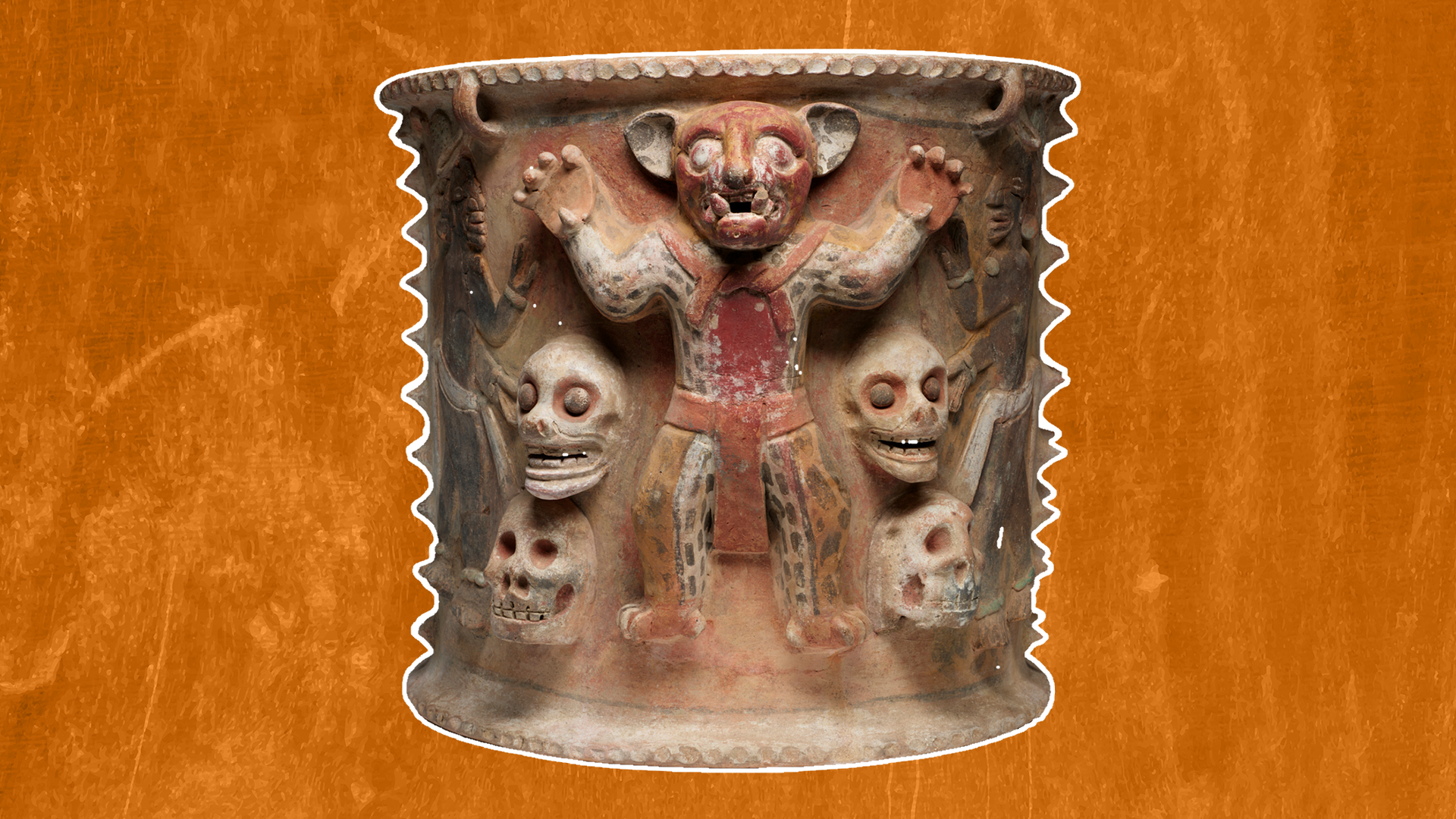
Гватемалаас олдсон энэхүү шавар ваар нь эртний Маяачуудын үхлийн дараах ертөнцийн тухай ойлголтыг илтгэх чухал олдвор юм.
Балтимор хотын Уолтерс урлагийн музейд хадгалагдаж буй 44.5 см өндөр энэхүү ваарыг МЭ 600-900 оны үед Гватемалын Киче Маяачууд урлажээ. Уг ваар нь өвөг дээдсийн ясыг хадгалах зориулалттай байсан бөгөөд гадна талдаа ирвэсийн хувцас өмссөн хүний дүрс, хүний гавлын яс болон бурхдын дүрсийг тод өнгөөр урласан байна.
Судлаачдын үзэж байгаагаар, ирвэсийн арьс нөмөрсөн хүн нь нас барсан удирдагчийг бэлгэддэг бөгөөд тэрээр амьд болон үхэгсдийн ертөнцийн хооронд зуучлагчийн үүрэг гүйцэтгэдэг байжээ. Ваар дээр дүрслэгдсэн “дэлхийн мод” буюу Яшче модны өргөс нь Маяачуудын ертөнцийг үзэхүйд усны доорх ертөнц болон тэнгэрийн хоорондох холбоос болж байв.
Энэхүү олдвор нь Маяачуудын хувьд үхэл нь төгсгөл бус, харин хайртай өвөг дээдэс нь хойч үеэ үүрд ивээх хүндэт сүнс болон хувирах эерэг өөрчлөлт гэж үздэг байсныг гэрчилж байна. Ваарны таг нь одоогоор олдоогүй ч, түүнийг бэхлэх зориулалттай гогцоонууд нь тухайн үеийн гар урлалын өндөр түвшинг харуулдаг.
Дэлгэрэнгүйг эх сурвалжаас харах
↓Эх сурвалжийг нээх ↓
Name: Urn with jaguars and skulls
What it is: A ceramic burial urn
Where it is from: Guatemala
When it was made: Circa A.D. 600 to 900
This colorful ceramic urn depicts a person wearing a jaguar costume and surrounded by human skulls, about to be received into the Maya underworld. The urn once held the bones of an ancestor for their descendants to venerate.
The urn was anonymously gifted to The Walters Art Museum in Baltimore in 2008. According to the museum, the urn is about 17.5 inches (44.5 centimeters) tall and was likely produced in Guatemala by the K’iche’ Maya people more than a millennium ago. Originally, the urn probably had an elaborate lid that was tied on with string through the loops near the lip of the vessel, but it is now missing.
The decoration on the urn is striking. A person wearing a jaguar costume splashed with blood — claws and teeth bared — looks out at the viewer from the center of the urn. This individual may be a deceased ruler who is entering the world of the dead, which is symbolized by two pairs of human skulls and the dark figures of two Maya gods of the underworld. Behind the underworld gods are raised spikes representing thorns of the tropical kapok tree (Ceiba pentandra).
The Maya believed that the kapok tree, which was also called the Maya “world tree” or the Yaxche, had roots in the aquatic underworld, so its depiction on this funerary urn may reflect how it is a conduit between realms, according to The Walters Art Museum. Jaguars also held important spiritual meaning to the Maya; they were thought to move fluidly between the three realms — sky, Earth and underworld. Therefore, the depiction of the deceased ruler wearing a jaguar costume to enter the underworld may have suggested that they could also mediate between the world of the living and the Maya gods.
This colorful and symbol-laden urn shows that death was not an ending for the Maya, according to The Walters Art Museum, and that the urn “serves as a graphic reminder of how the dissolution of the body could be a positive change, transforming a beloved ancestor into an honored spirit who would continue to guide the living for eternity.”
For more stunning archaeological discoveries, check out our Astonishing Artifacts archives.
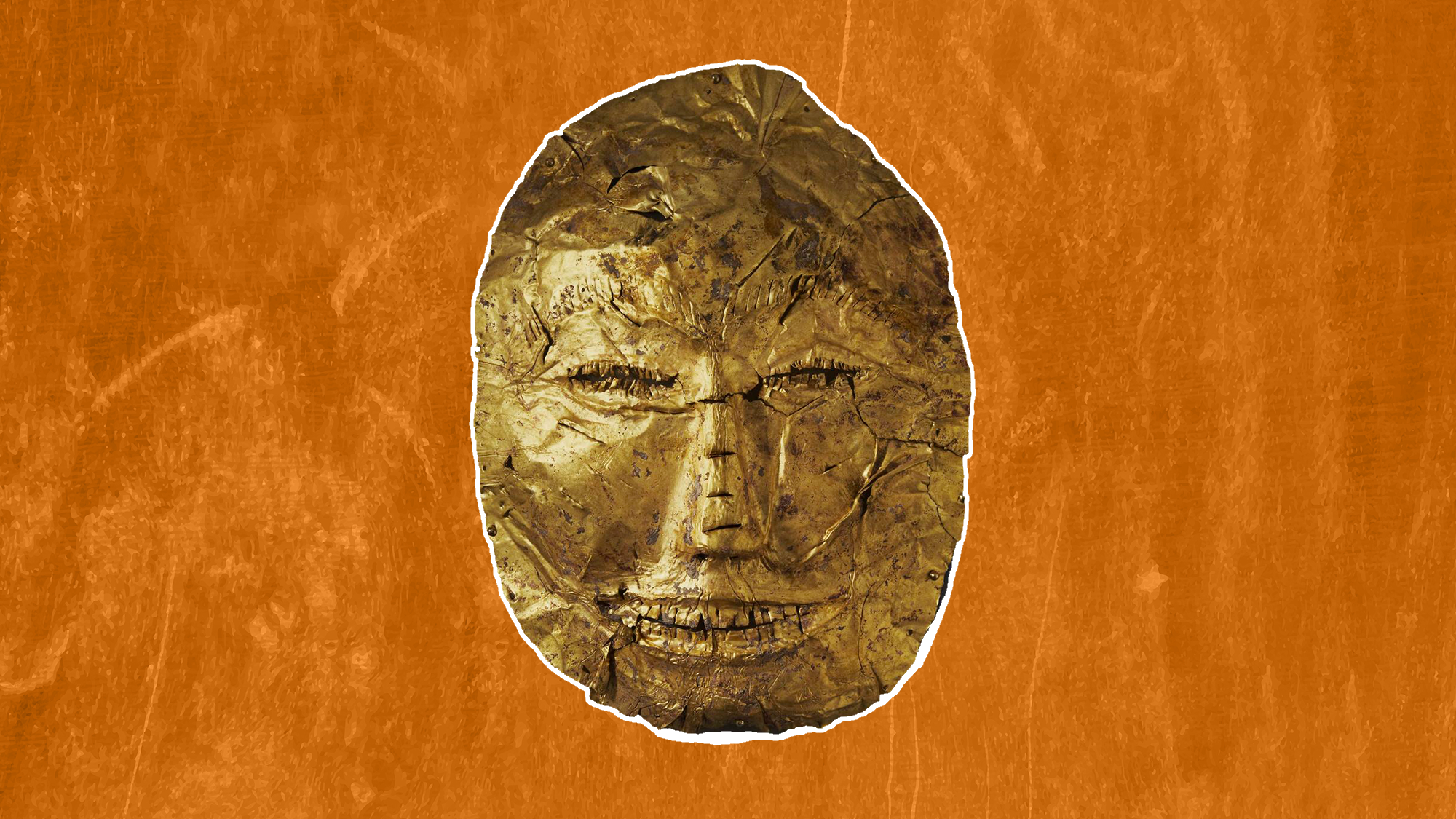
Java Gold Mask
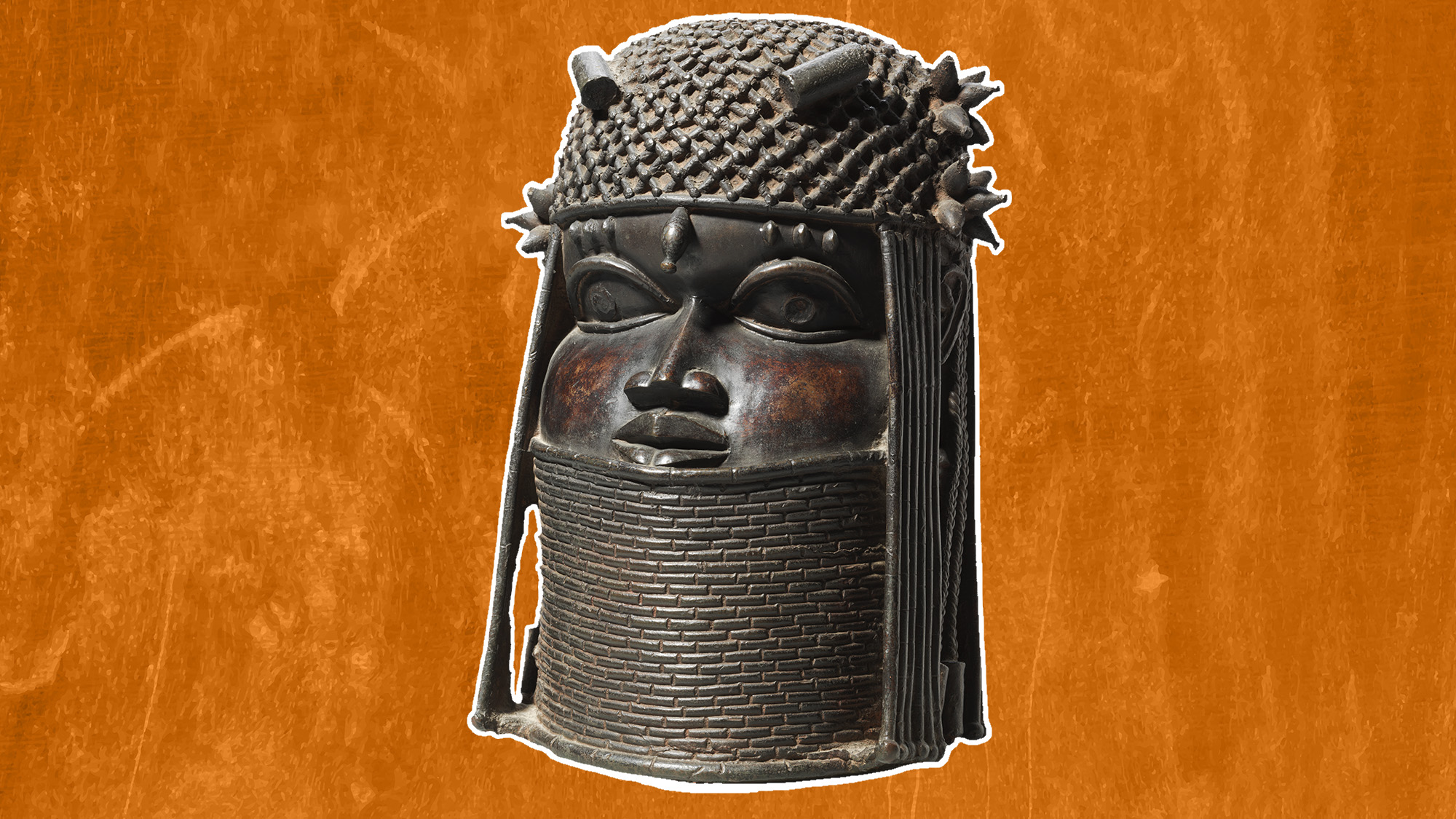
Benin Bronze
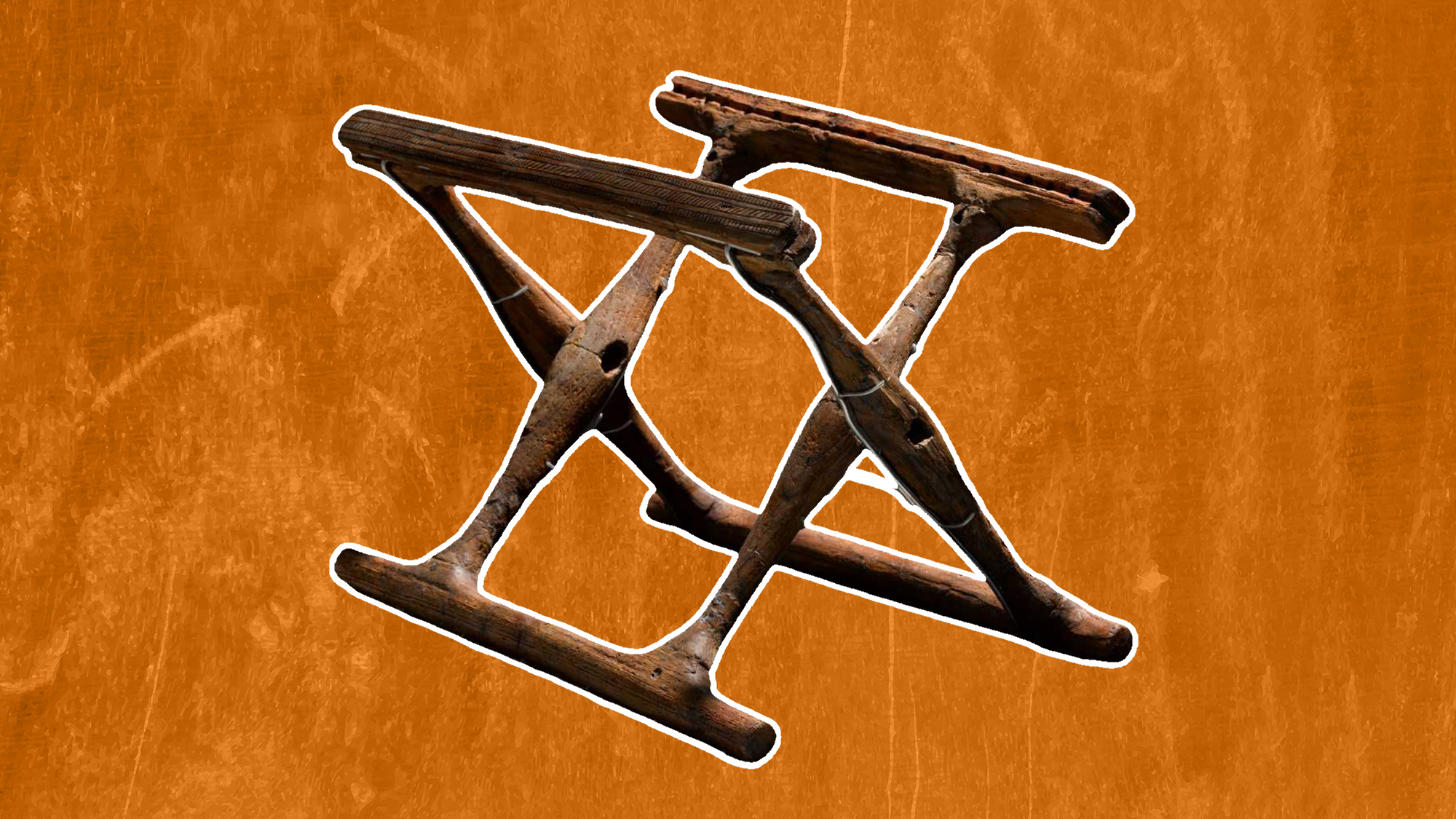
Guldhøj Chair
Can you put together last week’s Astonishing Artifact?

