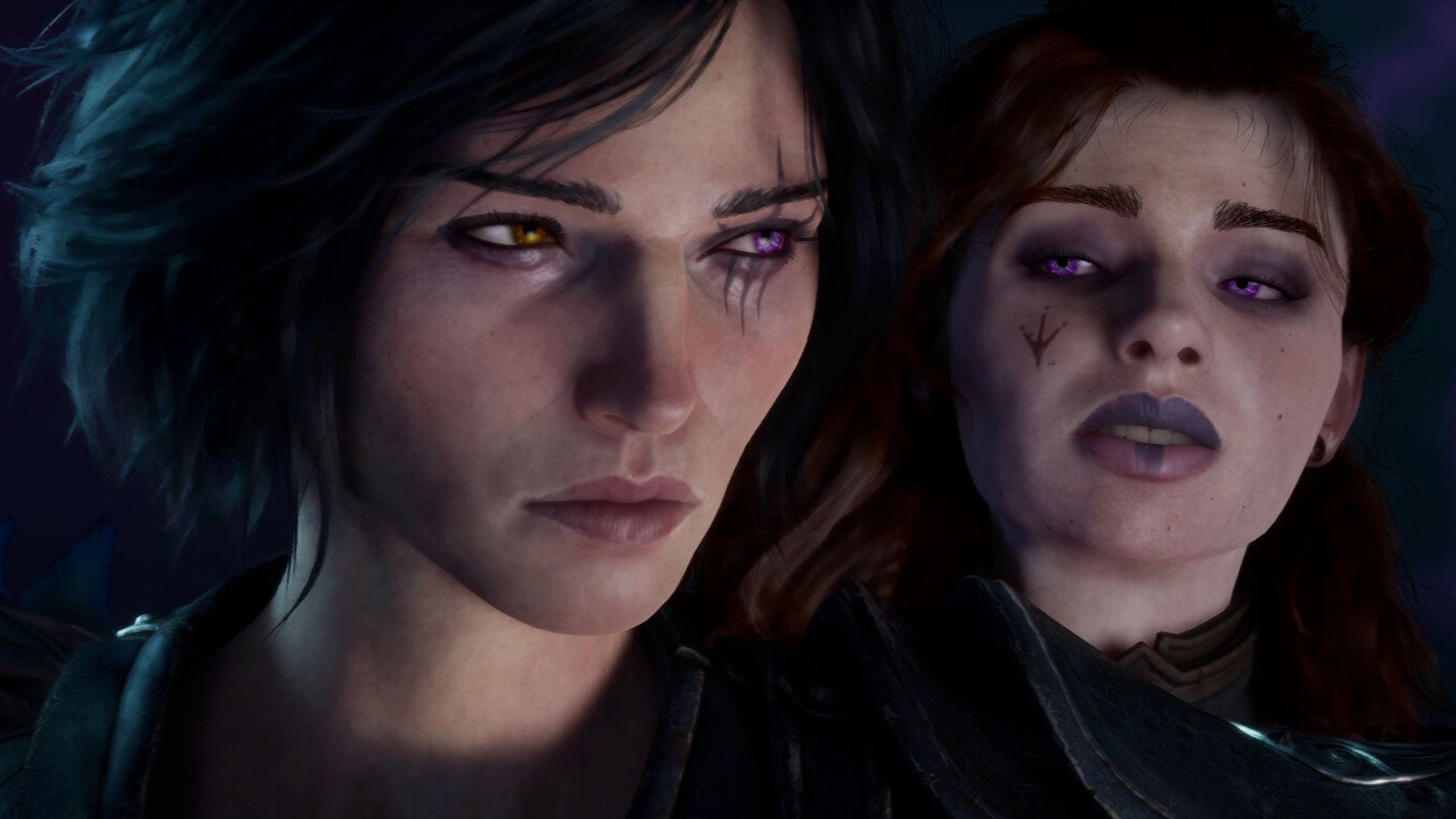
Invoke Studios-ийн бүтээж буй Warlock: Dungeons & Dragons тоглоомын танилцуулгад гол дүрийн баатар сэлэм ашиглаж байгаа нь тоглогчдын дунд маргаан үүсгэж, шинэлэг байдлыг нь бууруулж байна.
Gamescom-ын Opening Night Live арга хэмжээний үеэр Warlock: Dungeons & Dragons тоглоомын найман минутын дүрсийг олон нийтэд үзүүлсэн билээ. Уг тоглоом нь орчин үеийн олон тоглоомтой адил камерын өнцөг болон NPC хамтрагчтай байх зэрэг хэвшмэл шийдлүүдийг агуулж байгаа хэдий ч, илбэ ашиглан платформ үүсгэх, байршлаа солих зэрэг механик нь анхаарал татаж байв. Гэвч гол дүр Каатри илбэчин хүн байтал сэлэм ашиглаж эхэлсэн нь уг бүтээлийн өвөрмөц байдлыг үгүй хийж, ердийн адал явдалт тоглоом шиг харагдуулах боллоо.
Ихэнх RPG тоглоомуудад илбэчинг үндсэн дүрийн нэг сонголт болгон оруулдаг ч зөвхөн илбэчинд зориулсан механик бүхий тоглоом ховор байдаг. Энэ тал дээр Magicka тоглоом илбэ ашиглах эрх чөлөөг тоглогчдод олгож, бүтээлч байдлыг шаарддаг байдлаараа онцгойрч чадсан юм. Warlock-ийн хөгжүүлэгчид илбэчинг зүгээр л сэлэм барьсан тулаанч болгон хувиргасан нь тоглогчид зөвхөн илбэ ашиглахаас эмээх вий гэсэн хөгжүүлэгчдийн болгоомжлол байж магадгүй гэж үзэж байна.
Invoke Studios-ийн уг бүтээл нь илбэ ашиглах олон боломжийг олгож байгаа ч сэлэмний тулаан нь тоглоомын ерөнхий уур амьсгалыг сулруулж байна. Хэрэв тоглоом нь илбэчиний дүрд бүрэн төвлөрч чадвал энэ төрлийн тоглоомын зах зээлд илүү сонирхолтой бүтээл болох байв. Ирээдүйд илбэчиний чадварыг бүрэн ашигласан, цэвэр илбэ дээр суурилсан тоглоомууд хэрэгцээтэй байгааг энэхүү танилцуулга дахин санууллаа.
Дэлгэрэнгүйг эх сурвалжаас харах
↓Эх сурвалжийг нээх ↓
Considering only eight minutes of it were shown at Gamescom’s Opening Night Live, I went on a real journey with Warlock: Dungeons & Dragons. At first, I was nonplussed by it. While the production values were impressive, it also looked like every Sony game released in the last ten years, right down to the specific angle of the camera and the quippy NPC companion.
Yet as the reveal unfurled, I found myself growing intrigued by Warlock’s invocation-based puzzle-solving and combat. Levitating objects to create platforms, using teleportation spells to swap places with enemies, conjuring a whole-ass storm to make electrical attacks more viable. It’s rare to see a game of this scope encourage guile and cleverness from the player, to set its mechanical ambitions slightly beyond timed dodges and grisly executions.
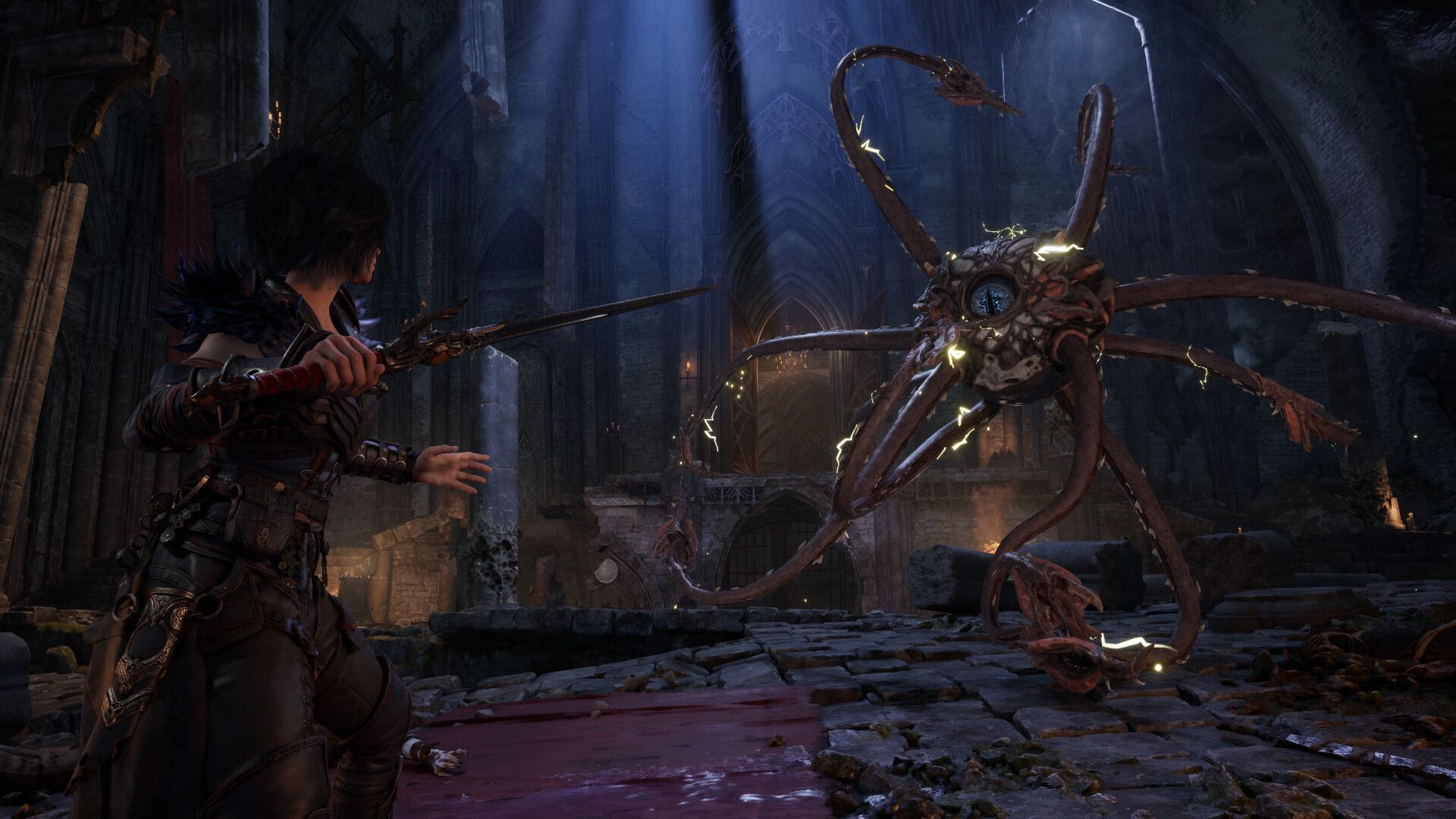
And then, just as I thought I was sold on Warlock, the main character pulled out a sword.
Well, to be specific, Warlock’s magical protagonist Kaatri conjured a sword. After all, why bother lugging around several pounds of sharpened steel when you can just make one appear out of thin air any time you like? It’s silly to carry around a sword that you don’t need. Which is precisely why I was dismayed to see one appear in Warlock at all.
Now, to be clear, I like swords—to the point where I spent several years training to use one. I also like games about swords, and appreciate how difficult it is to create interesting and authentic swordplay in a videogame context. Despite being simpler weapons, swords are way harder to depict in videogames for a whole bunch of reasons, from the technical demands of animating convincing swordplay to the many nuances associated with different kinds of swordfighting.
But there was something about seeing hack ‘n’ slash combat crop up in Warlock that really punctured my enthusiasm for it. Admittedly, it probably didn’t help that Opening Night Live had already delivered a torrent of Dark Souls knockoffs and identikit Chinese action adventures up to that point. You’d be forgiven for thinking that swords were the only thing holding the games industry up.
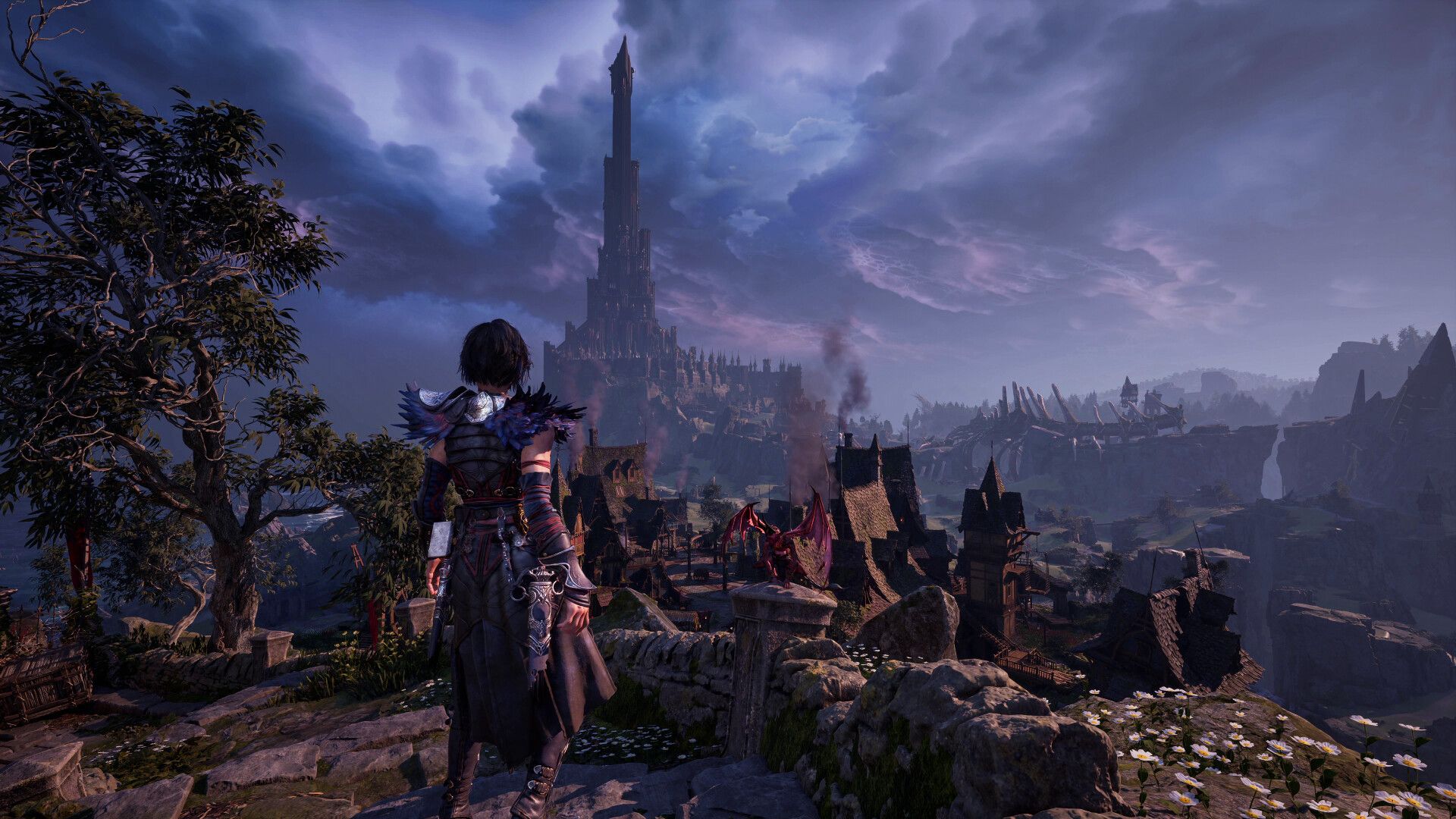
But the more I thought about it, the more I realised it wasn’t swords per-se that I had a problem with. Instead, what bothered me was the fact that we don’t really see games that are about being a Warlock. Or a wizard, or a mage, or a sorcerer, or whichever brand of berobed spell-slinger floats your boat.
It’s far rarer to see games that are purpose-built around wielding the arcane arts.
Now don’t worry, I’ve not been struck in the head by a magic missile. I’m aware that there are loads of games that feature mages (which is the umbrella term I’m going to use henceforth). They appear in virtually every fantasy roleplaying game ever made. But mages nearly always appear as an option, one of innumerable roles that players can assume. It’s far rarer to see games that are purpose-built around wielding the arcane arts.
I don’t know why this is. Perhaps it’s a lingering perception that mages are weedy and wet, which goes against what was until recently a very masculine gaming culture. Or perhaps mages simply represent a sterner game design challenge. Certainly, what few mage games exist tend to be first-person shooters that replace the guns with spells. Examples include Lichdom: Battlemage, the potential of which was squandered by aching repetition. More recently, we saw Immortals of Aveum, which offers some decent action if you can get past its infuriating writing, but remains a reductive interpretation of wielding arcane power.
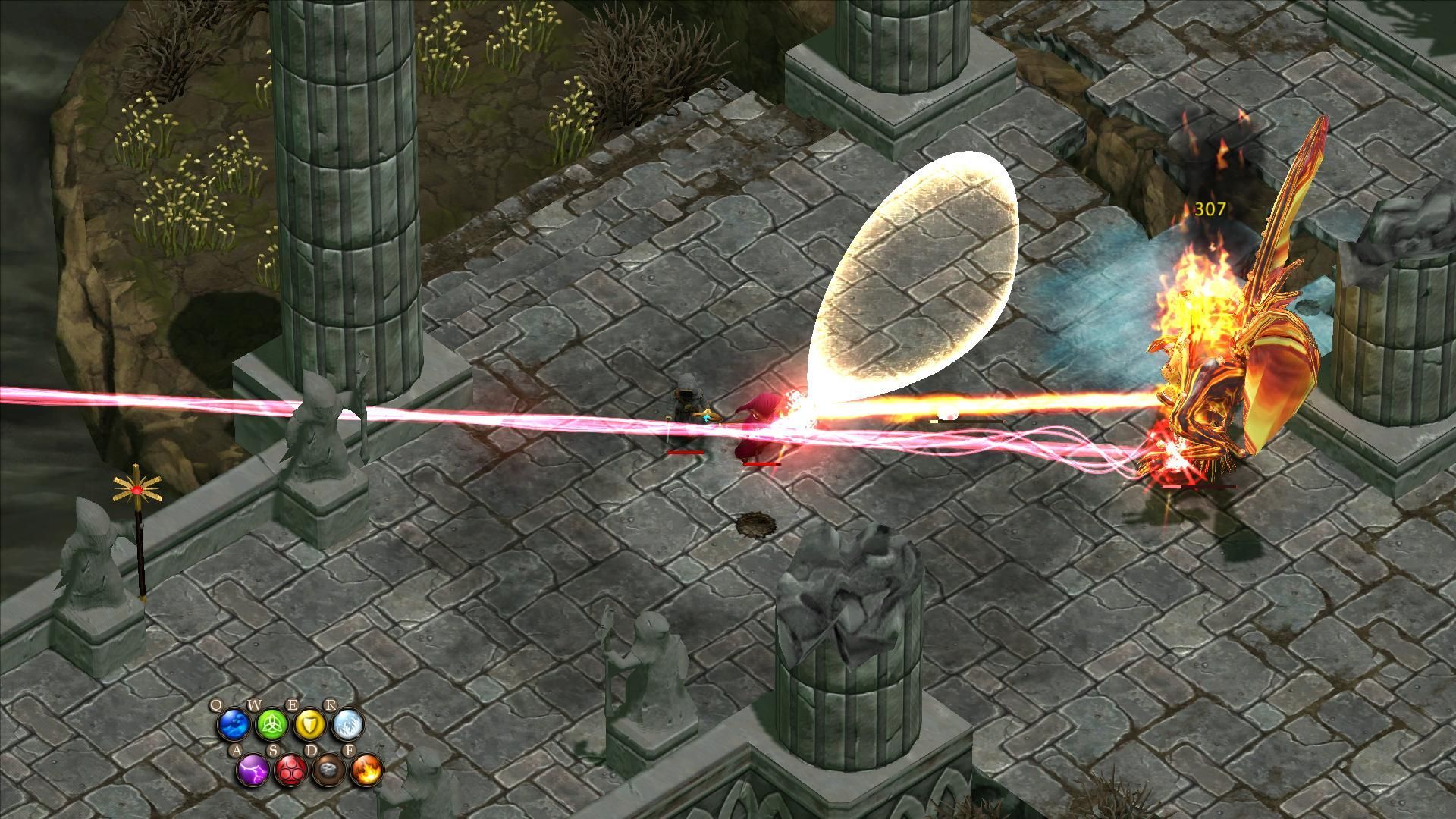
There is one exception, however, and that’s Magicka, Arrowhead’s debut title about cooking up chaos as a bunch of mages. Magicka is probably the best demonstration of what you can do when you ditch all the other bits of fantasy RPGs and focus squarely on the spellcasting. Its spell-customisation mechanic is a great encapsulation of being a wizard, in how it encourages ingenuity from the player which often results in reckless, destructive experimentation. Magicka understands that being an all-powerful wizard is accidentally burning down half a city because you slightly mispronounced a spell.
15 years since Magicka was released, there isn’t really another game like it (apart from its sequel). And I think that tells us something quite important. If you drill down on a specific kind of experience, and ask “What would it be like to be X?” you’ll probably end up building something more interesting than if you try to make your game cater to absolutely everyone—which is the approach adopted by most big-budget titles.
And that’s why I felt bummed out when that sword appeared in Kaatri’s hand. It made the game seem less distinctive, and more like every third-person action adventure that I’ve played in the last 10-15 years. I should point out here that I’m coming at this as a fan of videogames rather than a fan of Dungeons & Dragons, which I like well enough but do not possess any deep knowledge of. Maybe Warlocks use swords all the time in D&D [They do indeed like flailing around with swords – ed.], in which case I understand developer Invoke Studios featuring them. But thinking about Warlocks as a general concept, “whacking stuff with melee weapons” is not what I immediately associate them with, and not the reason I would choose to play as one.
In fairness to Invoke, the showcase does prioritise invocations, and I am still keen to play with all the magical abilities it offers. But every time that blade appeared on screen and Kaatri began hacking away, I got the sense that it’s a crutch for a developer concerned not enough people will buy into just being a magic wielder, that’s anxious about catering to unimaginative players who simply want to wallop enemies with a big metal stick.
Maybe I’ll be proved utterly wrong on this, and Warlock’s swordplay will turn out to be the best bit of the game. Either way, watching Warlock’s reveal has made me realise how much I want a game that goes all-in on being a physically feeble but magically almighty wizard. Maybe for its next game, Arrowhead will give Magicka the Helldivers 2 treatment, in which case I will be there on day one.
2026 games: All the upcoming games
Best PC games: Our all-time favorites
Free PC games: Freebie fest
Best FPS games: Finest gunplay
Best RPGs: Grand adventures
Best co-op games: Better together

