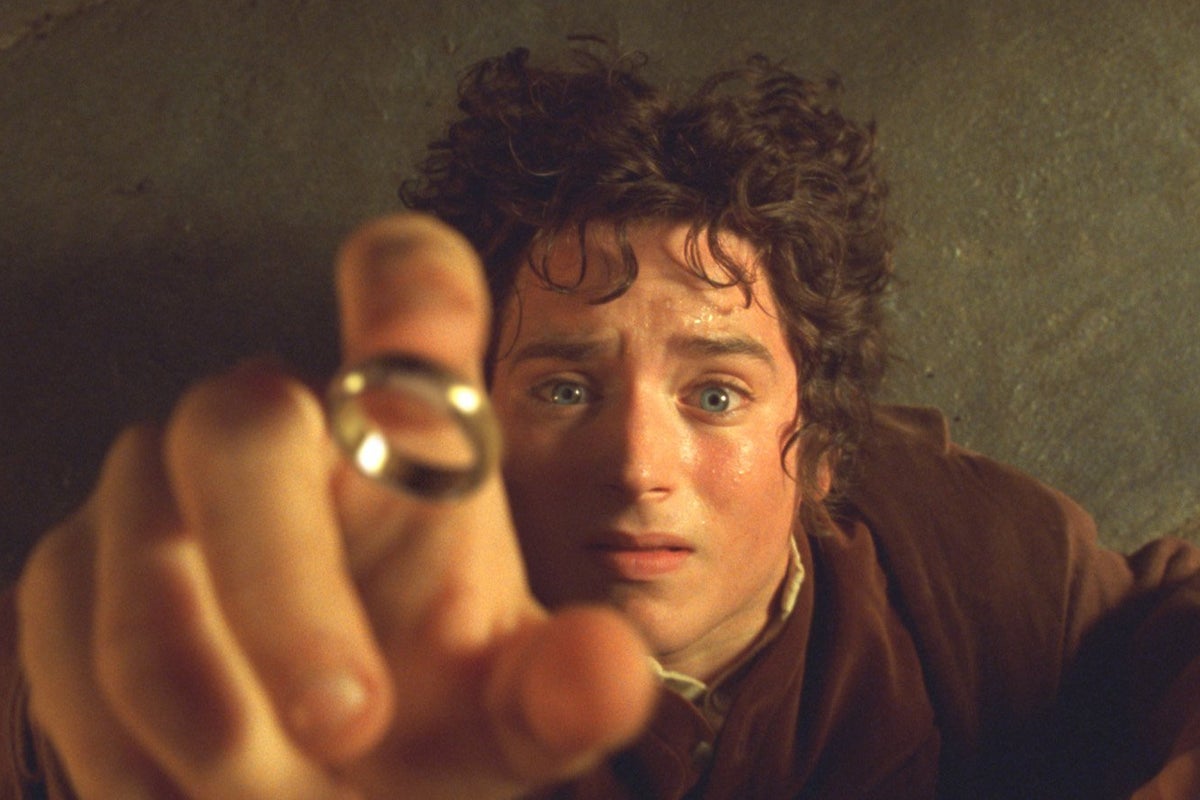
Найруулагч Питер Жэксоны алдарт бүтээл нь Харви Вайнштэйний тавьсан хатуу шаардлага болон бүтээлч байдлын зөрчлөөс болж цуцлагдах эрсдэлтэй байсан нь ил боллоо.
Питер Жэксон J.R.R. Tolkien-ийн “The Lord of the Rings” номыг дэлгэцийн бүтээл болгох хүсэлтэй байсан ч “Heavenly Creatures” киноны гэрээгээр дамжин Miramax студитэй хамтран ажиллахдаа хүндрэлтэй тулгарчээ. Харви Вайнштэйн төслийг дэмжиж байсан ч түүний дүү Боб Вайнштэйн уг киног ашиггүй гэж үзэн эргэлзэж байсан аж. Улмаар студийн зүгээс Жэксонд киног хоёр цаг хагасын хугацаатай ганц анги болгон шахах шаардлага тавьж, эс биелүүлбэл Квентин Тарантиногоор солино хэмээн сүрдүүлж байв.
Энэхүү санал зөрөлдөөний улмаас Питер Жэксон болон түүний багийнхан төслөө өөр студид санал болгохоор болжээ. Miramax студи нь төслийг шилжүүлэхдээ 12 сая ам.долларын өртгөө нөхөх, нийт орлогын 5 хувийг авах, мөн гүйцэтгэх продюсероор ажиллах зэрэг хатуу нөхцөлийг тулгасан байна.
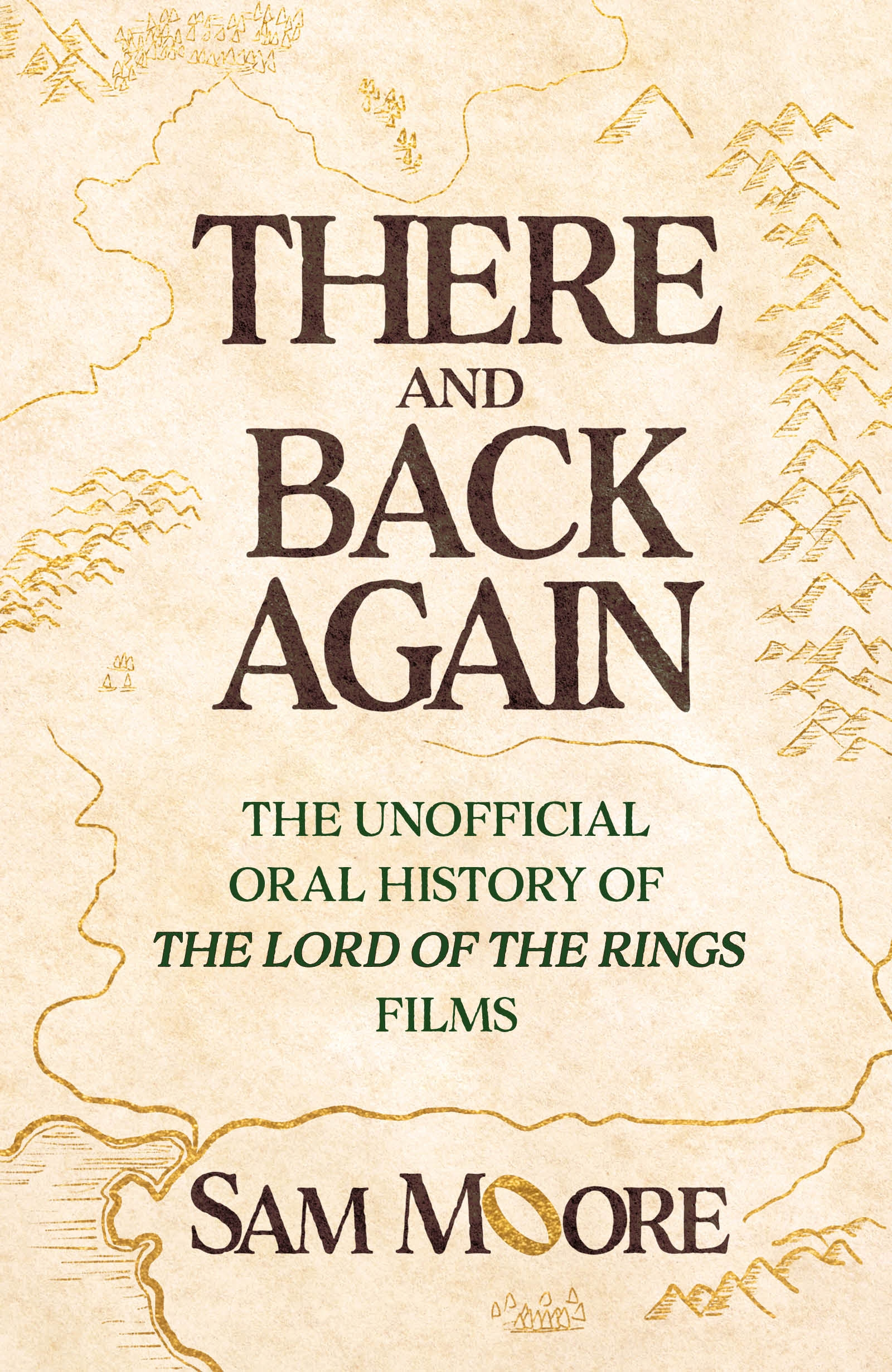
Эцэст нь New Line Cinema студи эдгээр нөхцөлийг хүлээн зөвшөөрч, төслийг санхүүжүүлснээр кино бүтээх ажил амжилттай үргэлжилсэн байна. Тухайн үед студийн удирдлагууд энэ төслийг бүтэлгүйтнэ хэмээн таамаглаж байсан ч эцсийн дүндээ “The Lord of the Rings” нь түүхэн дэх хамгийн өндөр амжилттай бүтээлүүдийн нэг болсон юм. Энэхүү түүхэн үйл явдлыг Сэм Мүүрийн бичсэн “There and Back Again: The Unofficial Oral History of The Lord of the Rings Films” номонд дэлгэрэнгүй өгүүлжээ.
Дэлгэрэнгүй эх сурвалжийг харах
Эх сурвалжийг нээх ↓
Want to bookmark your favourite articles and stories to read or reference later? Start your Independent Membership today.
Already a member?
Peter Jackson had found his way to The Lord of the Rings later than most, but he was immediately drawn in by Middle-earth and the rich world that JRR Tolkien created. As an aspiring young filmmaker, Jackson was perhaps influenced by The Lord of the Rings when making his own amateur fantasy movies – but would not revisit Middle-earth until nearly 20 years later.
Peter Jackson: I first read The Lord of the Rings when I was 18. Loved the book. Thought it would make a great film. Assumed that somebody, one day, would make a live action film, and that I would get to go along and see it.
Ken Kamins (Jackson’s manager): Peter first mentioned Lord of the Rings after [his 1994 film] Heavenly Creatures was acquired by [Bob and Harvey Weinstein’s movie studio] Miramax. Part of that deal included Peter and [his wife and collaborator and fellow LOTR scriptwriter] Fran having a first look arrangement with Miramax, which meant that any idea that Peter and Fran had, they had to present to Miramax first.
Jack Lechner (executive vice president for production and development, Miramax Films): The script landed on my desk and I thought it was the most exciting thing I had ever encountered. I wrote a memo to Harvey and the other executives saying it had the potential to be the biggest movie any of us would ever be involved in.
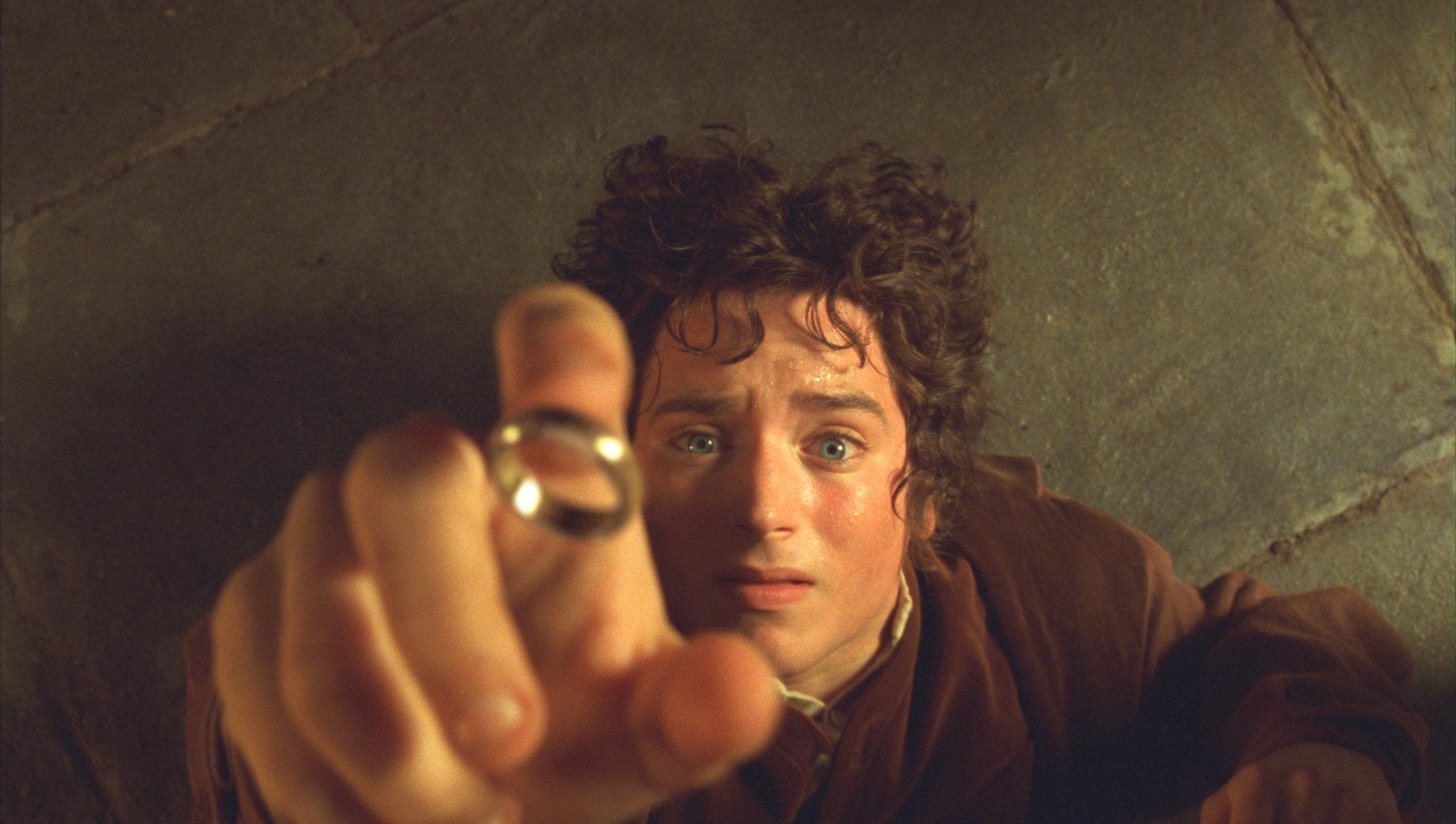
Jackson found a surprising benefactor in Harvey Weinstein. The now-infamous film producer was an ardent fan of the books and was initially excited at the prospect of bringing them to the big screen, even if the idea of a fantasy blockbuster did not necessarily gel with Miramax’s established MO of relatively small movies with a high upside. However, as most filmmakers did, Jackson found working with Weinstein a significant challenge, with Harvey’s younger brother, Bob, a skeptic of the project from the start.
Lechner: [Harvey] could see what they could be. Bob was very, very sceptical of the whole thing. A couple of verbatim quotes I remember from Bob: “The villain’s an eye? Who’s going to be scared of an eye?”
Miramax ended up investing significantly in the preproduction of The Lord of the Rings and the scaling up of the still-burgeoning digital effects studio Wētā to handle the special effects.
Lechner: Bob began to get really nervous, and his nerves began to communicate to Harvey. They started being very concerned about the amount of money being spent in New Zealand for a movie that was going to be giant and unwieldy – and one they were going to have little control over. There’s a reason Harvey doesn’t do a lot of animation or musicals, and that’s because they have to be so minutely preplanned and he can’t do his thing, which is charge in like a bull in a china shop and remake it all.

Watch Apple TV free for 7 day
New subscribers only. £9.99/mo. after free trial.
Plan auto-renews until cancelled.
ADVERTISEMENT. If you sign up to this service we will earn commission. This revenue helps to fund journalism across The Independent.
Kamins: Harvey would go from being very empathetic and being Peter’s friend and partner and being, like, “We’re gonna figure this out,” but he would turn on a dime and go Mr Hyde and, all of a sudden, it was, like, “Don’t do this, don’t do that,” and get very threatening. There just came a moment where Harvey ultimately said, “You have to get this down to one movie and it cannot exceed two and a half hours in length.” Peter and Fran went, “We don’t know how to do that.” And Harvey said, “Well, let me make it simple. You know, if you don’t do that, we’re gonna kick you off the film. Quentin Tarantino is going to direct and Hossein Amini is going to write the script, and that’s just the way it is.” Peter and Fran were like, “We’ll be heartbroken, but you do what you’ve got to do, because we can’t do what you’re asking us to do.”
Lechner: They were going to have to trust Peter, and the Weinsteins are not good at trusting people.
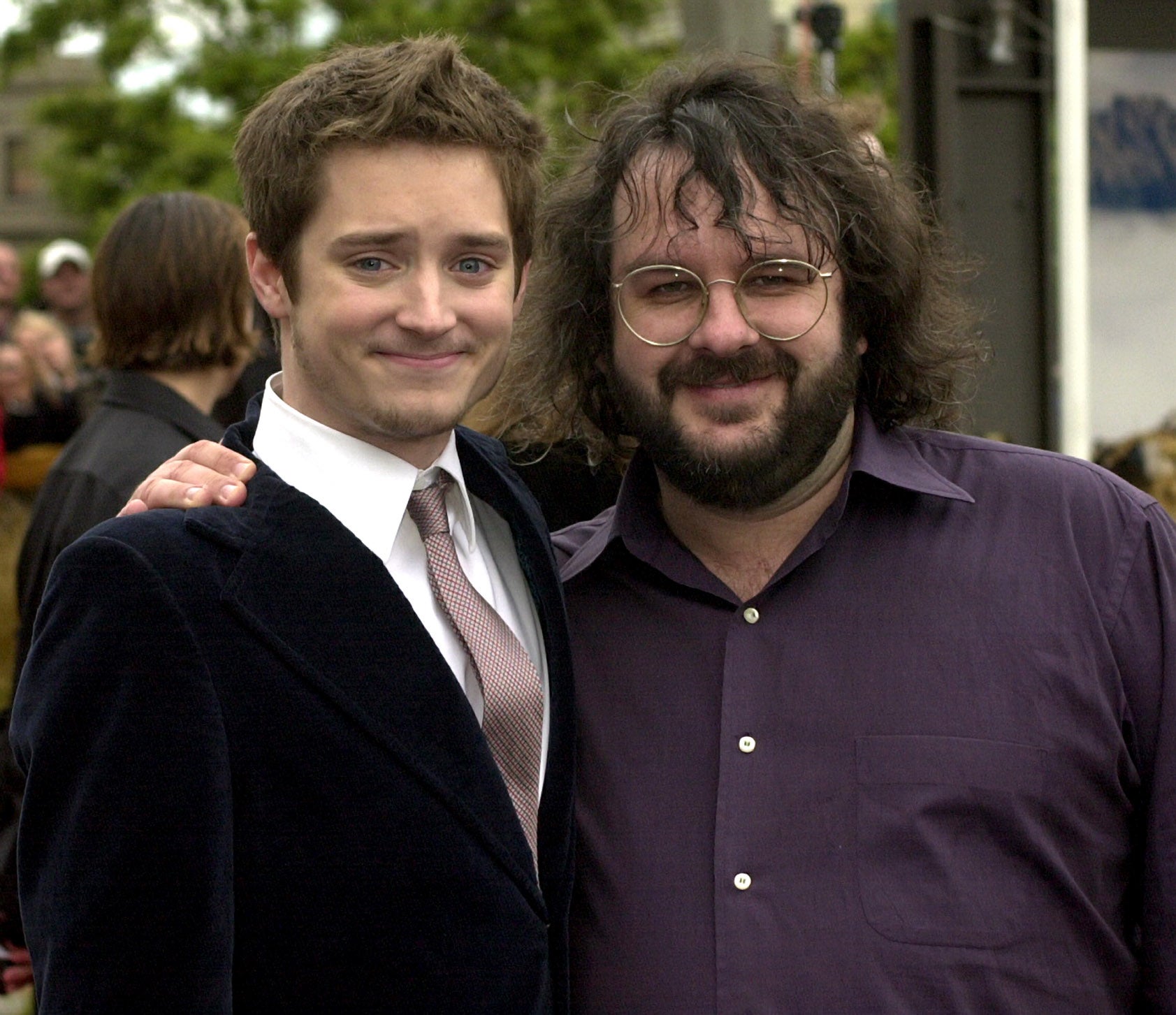
At this juncture, Bob Weinstein wanted the entirety of The Lord of the Rings condensed into one movie. Understandably, Jackson baulked at the proposal, and he countered with an offer to make one film with the requirement that it be four hours long. Miramax stood firm at a one-film, two-hour version. A compromise was not found.
Kamins: I went to Harvey and said, “Look, [Peter and Fran] brought this to you, and they’ve put in a lot of time, effort, and energy. You have to give us some window to try and be able to shop it so that we can see if they can get their vision made. He came back and said, “I’ll let you shop it under these conditions. First, you have to get us back every nickel we’re out of pocket.” Miramax said they were out $12m and “you’ve got to pay us for $12m on day one.” That was number one. Number two, Bob and Harvey get 5 percent of first-dollar gross, which was a massive back end. It basically means that whoever the studio would be, [they] would be recouping the costs, and they only got to recoup out of 95 per cent. That 5 percent would come off the top before the costs of the films were recovered. Number three, they both had to be executive producers on the film, even if they had nothing to do with the daily making of it. And number four, I had three weeks to achieve all this.
Jackson and the Wētā studio set to work on creating a half hour “making of” featurette that explained down to the most specific detail how Jackson was going to bring Middle-earth to the big screen and why he was the director best suited to do it. The featurette would then be shown to prospective studios to convince them to have faith in Jackson and his dream project.
Kamins: We got passed on by virtually everybody … we went into the New Line Cinema meeting knowing they were our last chance, but I don’t think they necessarily knew that.
In the 1990s, New Line had a culture of risk. They were an old-school studio that was attractive to auteur filmmakers such as David Fincher and Paul Thomas Anderson and had a reputation for granting great artistic freedom to the directors they worked with. In practice, they were everything Miramax was in theory. [Company co-founder] Bob Shaye, in what is bizarrely a rarity for top-level studio executives, also loves movies.
Kamins: What New Line was contemplating was whether or not to take on the biggest-budgeted independent film of all time … I think they thought that if [Peter] could make Heavenly Creatures for $3.5m, if he can make The Frighteners for $30m, then he understands how to do a lot with a little. By the way, I wasn’t hiding the football. Before we ever walked in the room, I made clear Miramax’s conditions. I didn’t want people feeling sandbagged after I got everyone excited. I told everyone right up front what the conditions were from Miramax, and if you’re not going to meet them, and you’re going to pass just on those terms, we understand that there’s nothing we can do about it. We wouldn’t be allowed to talk to you otherwise. Bob acknowledged that and acknowledged Harvey’s conditions and met all of them. Harvey was stunned. I think he couldn’t believe it. He was totally expecting us to fail.
The deal shocked the movie world. It was not just the first of its kind but also immensely risky. While New Line’s policy of selling foreign distribution rights did ease the burden on the company, if, as Bob Weinstein predicted, it was a [disaster], it would almost certainly sink them.
Lechner: I suspect that Harvey and Bob made more money from Lord of the Rings than they did on anything else they ever did. The deal was 5 percent of the gross of any movie they managed to get made, which was crazy. If Miramax had stayed involved, it would not have been the movies people love. It wouldn’t be as good. Harvey wouldn’t have been able to stop himself from interfering in all kinds of ways to the detriment of the films. He would have driven Peter crazy, and Peter would have driven him crazy. I guarantee you he would have fired actors a month into shooting and replaced them and started all over again. God knows what he would have done in post. The best thing that happened to Peter and the movie was saying goodbye to Miramax.
This is an edited extract from ‘There and Back Again: The Unofficial Oral History of The Lord of the Rings Films’ by Sam Moore, published by Hachette on 22 October

