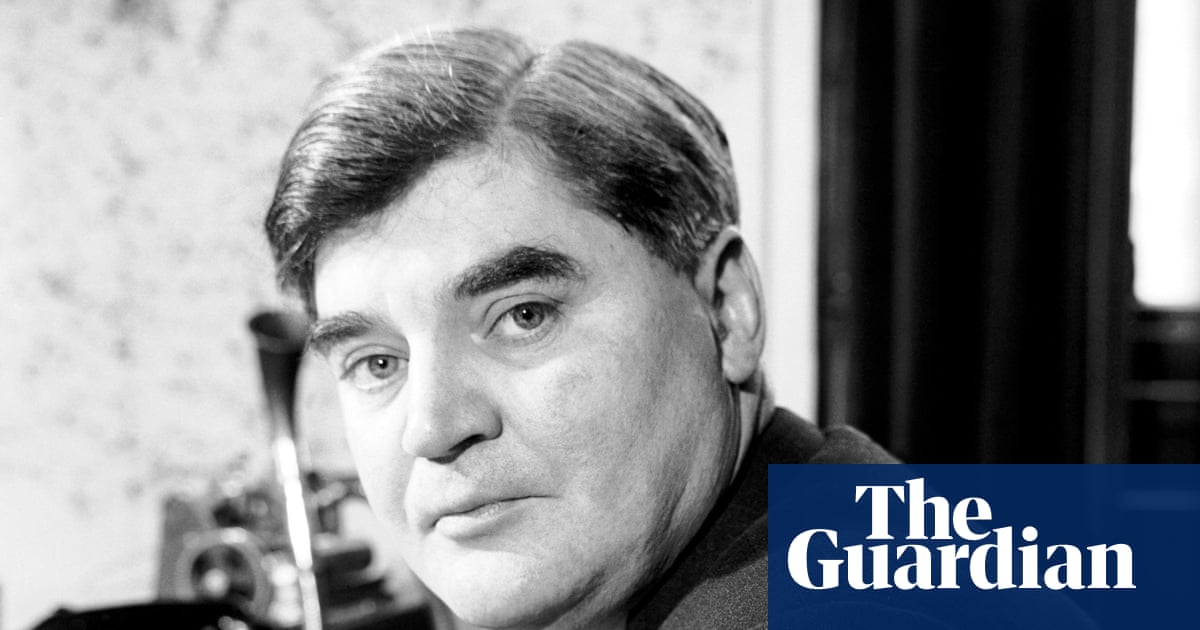
Үндэсний эрүүл мэндийн албыг (NHS) үндэслэгч Анейрин Беван болон нөлөө бүхий бусад зүтгэлтнийг Их Британийн MI5 тагнуулын алба олон арван жилийн турш хянаж байсныг нууцын зэрэглэлээс гаргасан баримтууд харууллаа.
Их Британийн MI5 тагнуулын алба 1933 оноос эхлэн Лейборист намын гишүүн Анейрин Беваныг коммунист үзэлтнүүдтэй холбоотой гэх үндэслэлээр хянаж эхэлжээ. Түүнийг сайд болсны дараа ч тандалт үргэлжилсэн бөгөөд 1949 онд Оросын тагнуулчтай нөхөрлөсөн явдал нь албаны анхаарлыг ихэд татсан байна. Гэвч тус албаны зарим ажилтан Беваны үйл ажиллагааг парламентын нээлттэй хэлэлцүүлгээс ялгаагүй хэмээн үзэж, тандалт хийх шаардлагагүй гэж дүгнэж байв. 1960 онд Беваныг нас барсны дараа түүний хувийн хэрэг “маш энгийн” байсан хэмээн тэмдэглэжээ.
Үүний зэрэгцээ 1937 онд болсон хаан VI Жоржийн хаан ширээнд залах ёслолын үеэр коммунист намын идэвхтнүүд үймээн дэгдээж болзошгүй хэмээн MI5 болгоомжилж байсан баримт илрэв. Тухайн үед идэвхтнүүд эсэргүүцлийн ажиллагаа зохион байгуулахаар төлөвлөж байсан ч олон нийтийн эсэргүүцэлтэй тулгарахаас болгоомжлон үйл ажиллагаагаа хязгаарласан байна.
Алдартай хөгжмийн зохиолч, пацифист үзэлтэн Майкл Типпет ч мөн MI5-ын хяналтад өртөж байжээ. Түүнийг коммунист болон троцкист бүлгүүдтэй холбоотой гэж сэжиглэж байсан ч, 1950-иад оны дунд үе гэхэд түүнийг ямар нэгэн улс төрийн сэжигтэй үйл ажиллагаанд холбогдоогүй гэж үзсэн байна. Гэсэн хэдий ч түүний өнгөрсөн үеийн улс төрийн харьяаллаас шалтгаалан 1959 онд Гадаад хэргийн яамны ивээн тэтгэлэгтэй лекц унших боломжийг нь хааж байсан бөгөөд 1966 онд түүнийг хөгжмийн салбарт оруулсан хувь нэмрийг нь үнэлэн алдаршуулжээ.
Дэлгэрэнгүйг эх сурвалжаас харах
↓Эх сурвалжийг нээх ↓
Aneurin “Nye” Bevan, the Welsh Labour firebrand who spearheaded the creation of the NHS, was monitored by security services for more than two decades, though his personal file was “remarkably tame”, according to official files released to the public.
Bevan came to MI5’s attention in the 1930s over concerns about his links with known communists, papers released to the National Archives show. Monitoring continued even after he became a minister in the postwar Labour government that created the NHS.
At one point, his links to a known Russian spy led to the then director general of MI5 approaching prime minister Clement Attlee to warn him.
However, the papers show, some in the security services questioned why Bevan was of interest. Although there is nothing in the files to indicate that MI5 ever tapped his phone or intercepted his mail, one officer wrote in 1943: “I do not think that Bevan’s activities are a matter in which we, the Security Service, should be involved.
“In fact he makes exactly the same remarks in the Houses of Parliament pretty frequently, as any copy of Hansard will show, and it would not therefore be possible to do anything positive.”
Reviewing the file after his death in 1960, another MI5 officer noted: “Considering what a controversial character Nye Bevan was, the file is remarkably tame.”
MI5 first opened a personal file on the backbench Labour MP for Ebbw Vale in South Wales in 1933. He was described in one entry to have “inherited the evangelical fervour of his Welsh forebears and knows how to use it in the communist cause.”
He was also noted to have been “in close touch” with Harry Pollitt, general secretary of the Communist party of Great Britain, and others in the party who backed his plan to organise “workers’ freedom groups” to defend against “capitalists”.
Bevan fell out with his communist allies who had complained he was not interested in workers’ unity and was intent on building “a movement of his own”. But by 1936 they had reconciled, with Bevan supporting an application by the Communist party to affiliate with the Labour party.
In 1949, MI5 became concerned about Bevan’s friendship with Wilfred Macartney, who had been convicted of spying for Russia in 1928.
Recordings of Macartney’s conversations suggested he was passing on information obtained by Bevan to Pollitt. It led the director general Sir Percy Sillitoe to approach Attlee, who dismissed Macartney’s claims as a “tissue of lies” but agreed to “warn” Bevan about Macartney.
The file was finally closed in 1975, 15 years after Bevan died.
Other newly released papers show MI5 feared communists could attempt to disrupt the coronation of King George VI, with Communist party activists closely watched before the Westminster Abbey ceremony in 1937.
While the party prepared a propaganda drive and printed a million anti-monarchist leaflets to be distributed during coronation week, members were warned to avoid antagonising a largely pro-royalist public.
One MI5 report from April 1937 noted that a “comrade” in Manchester had been “severely censured” for proposing a series of demonstrations as it would be “playing into the hands of the fascists and police”. “It has been pointed out that members will be ‘going against the stream’ in doing this and they must be careful to speak in such a way that they do not make themselves unpopular with their neighbours.”
Sir Michael Tippett, a leading British composer of the 20th century and a famed pacifist, was also monitored by MI5 as a suspected Trotskyist revolutionary, according to the files.
MI5 believed he joined first the Communist party and then the Trotskyists in the 1930s, and remained an active supporter until the end of the second world war.
The files suggest, however, he was unconvincing as a revolutionary. In one intercepted letter to a Communist party organiser in London, he complained of the difficulties of trying to combine his work as a communist with his life as a music teacher living in rural Surrey. His evening commitments meant that it was “quite impossible” for him to attend “cell” meetings in London, he complained.
A report from 1955 noted that Tippett “has not come to notice in connection with communist or Trotskyist affairs”.
However, his radical past meant that as late as 1959 he was blocked from taking up a Foreign Office-sponsored lectureship in Germany, and it was only in the 1960s that MI5 were prepared to give him a clean bill of health. In 1966, he was knighted for services to music. He died in 1998 aged 93.

