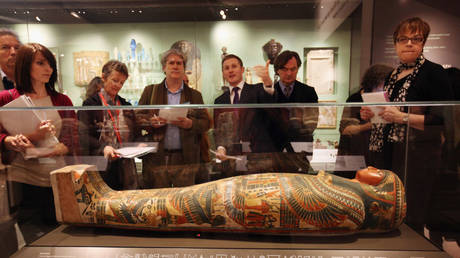
Музейн захиргаа ёс зүйн шинэчилсэн дүрэм журмыг үндэслэн эртний олдворуудыг олон нийтэд үзүүлэхээ зогсоосон нь улс төрийн шүүмжлэл дагуулж байна.
Шотландын Глазго хотын Келвингров урлагийн галерей болон музей эртний Египетийн муминуудыг олон нийтийн үзэсгэлэнгээс гаргажээ. Тус музейн удирдлага энэхүү шийдвэрийг талийгаачдын “зөвшөөрөл” аваагүй гэх шалтгаанаар тайлбарласан нь улс төрийн хүрээнд шүүмжлэл дагуулаад байна. Үзмэрээс хасагдсан зүйлсийн дунд Нехт хэмээх тахилчийн авс, мумижуулсан толгой, хөл, гарын хэсгүүд багтаж байгаа юм.
My daughter has a book on the ancient Egyptians and has been quite animated by it so we took her to Kelvingrove Museum to see their mummy. Except, it’s no longer there.
All ‘human remains’ gone with the following sign up in place of exhibits that have been there for years. https://t.co/DKGOx4VjpR
— Jonny McFarlane (@jonnyrmcfarlane) October 17, 2026
Музейн үйл ажиллагааг хариуцдаг “Glasgow Life” байгууллага уг шийдвэр нь Олон улсын музейн зөвлөлийн 2026 оны зургадугаар сард баталсан ёс зүйн шинэчилсэн дүрмийн дагуу хийгдсэн гэж мэдэгдлээ. Тус байгууллагын төлөөлөгч хүний шарилыг хүндэтгэлтэй хандах үүднээс тэдний болон үр удам, нийгмийн зөвшөөрөлгүйгээр үзүүлэх нь зохимжгүй гэж үзэж буйгаа илэрхийлэв.
Mummies have been removed from display at the Kelvingrove Museum in Glasgow because of a ‘lack of consent from the deceased individual’.
A Glasgow Life spokesman said: ‘The removal of human remains from display at Glasgow Life museums reflects contemporary museum practice.
‘The International Council of Museums’ revised Code of Ethics, published in June 2026, states that museums “should uphold the inherent dignity of human remains and promote respect for their significance”.
‘The All-Party Parliamentary Group on Afrikan Reparations 2025 report, “Laying Ancestors to Rest”, also raises ethical concerns about the display of ancient Egyptian human remains due to the consistent disregard of the potential wishes of the ancestors and the intention of the communities that originally laid them to rest.
— UNN (@UnityNewsNet) October 22, 2026
Энэхүү шийдвэр нь улс төрийн зүтгэлтнүүдийн эсэргүүцэлтэй тулгарч, Шотландын Консерватив намын гишүүн Мурдо Фрэйзер үүнийг “хэт туйлширсан улс төрийн зөв үзэл” хэмээн тодорхойлов. Түүнчлэн боловсролын салбарын шинжээчид мянга мянган жилийн өмнө нас барсан хүмүүсээс зөвшөөрөл авах боломжгүй гэдгийг онцлоод, Египетийн өөрийнх нь музейд муминуудыг хэвийн үзүүлсээр байгааг сануулжээ.
Египетийн Эртний олдворуудын дээд зөвлөлийн тэргүүн Мохамед Исмаил Халед өмнө нь мэдэгдэхдээ, Их Британид хууль ёсны дагуу хадгалагдаж буй олдворууд нь Египетийн соёлыг сурталчлах гол элчүүд болж байгааг тэмдэглэж байсан юм. Гэсэн хэдий ч “Glasgow Life” байгууллага Келвингров болон Сент Мунго музейн бусад хүний шарилыг үзмэрээс хасах төлөвлөгөөтэй байгаагаа мэдэгдлээ. Үүнтэй төстэй шийдвэрийг өнгөрсөн есдүгээр сард Манчестерийн музей гаргаж, Асру нэртэй Египет эмэгтэйн мумиг үзмэрээс авсан билээ.
Дэлгэрэнгүйг эх сурвалжаас харах
↓Эх сурвалжийг нээх ↓
The decision by Glasgow’s Kelvingrove Art Gallery and Museum has sparked accusations of “woke madness”
A British museum has removed ancient Egyptian mummies from public display, citing a lack of “consent” from the deceased and drawing accusations of excessive political correctness.
The Kelvingrove Art Gallery and Museum in Glasgow, Scotland, is one of the country’s most popular cultural attractions, drawing more than 1.3 million visitors annually. Its collections include Egyptian antiquities and mummified remains that have been exhibited for years.
Among the items taken off display were a painted coffin containing the remains of an Egyptian priest named Nekht, a mummified male head, a right foot, and a right hand recovered from the Valley of the Kings in Luxor, Egypt, the Glasgow Times reported on Thursday.
My daughter has a book on the ancient Egyptians and has been quite animated by it so we took her to Kelvingrove Museum to see their mummy. Except, it’s no longer there.
All ‘human remains’ gone with the following sign up in place of exhibits that have been there for years. https://t.co/DKGOx4VjpR
— Jonny McFarlane (@jonnyrmcfarlane) October 17, 2026
The changes came to public attention after a visitor said he had taken his daughter to see an Egyptian mummy, only to discover that it was no longer there. He shared a photograph on X of a museum notice stating that the remains had been removed “as a mark of respect.”
Mummies have been removed from display at the Kelvingrove Museum in Glasgow because of a ‘lack of consent from the deceased individual’.
A Glasgow Life spokesman said: ‘The removal of human remains from display at Glasgow Life museums reflects contemporary museum practice.
‘The International Council of Museums’ revised Code of Ethics, published in June 2026, states that museums “should uphold the inherent dignity of human remains and promote respect for their significance”.
‘The All-Party Parliamentary Group on Afrikan Reparations 2025 report, “Laying Ancestors to Rest”, also raises ethical concerns about the display of ancient Egyptian human remains due to the consistent disregard of the potential wishes of the ancestors and the intention of the communities that originally laid them to rest.
— UNN (@UnityNewsNet) October 22, 2026
Glasgow Life, which operates the museum, said the move reflected contemporary museum practices, citing revised ethical guidelines published by the International Council of Museums in June. The guidelines call for human remains to be treated with dignity and respect.
The organization’s draft policy proposes that such exhibits should be displayed only with documented, informed consent from the deceased or, where appropriate, their descendants.
“In the absence of such consent, we believe removing ancient Egyptian human remains from display is more respectful to the deceased individuals,” a Glasgow Life spokesperson said.
The decision drew criticism from Scottish Conservative politician Murdo Fraser, who described it as “woke madness.”
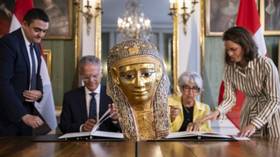
“Even Egyptian mummies are now being cancelled by a society so obsessed with modern sensibilities that it has lost all sense of perspective,” said Fraser.
Chris McGovern, chairman of the Campaign for Real Education and a former adviser to the British prime minister’s policy unit, also condemned the move as “virtue-signaling, woke nonsense.”
“It is not possible to seek permission from those who died thousands of years ago,” he said, adding that museums in Egypt continue to exhibit mummified remains.
Egypt itself has defended the display of its antiquities in foreign museums. Mohamed Ismail Khaled, head of Egypt’s Supreme Council of Antiquities, said last year that thousands of artifacts legally exported to Britain serve as the “best ambassadors of Egypt,” attracting international visitors to the country. Cairo has nevertheless continued to demand the return oflooted treasures, including the Rosetta Stone held by the British Museum and the bust of Nefertiti in Berlin.
Glasgow Life said it is also working to remove further archaeological human remains from Kelvingrove and plans to remove a coffin and mummified remains from the nearby St Mungo Museum afterward.
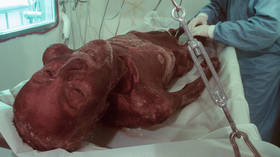
The controversy follows a similar decision by Manchester Museum, which removed the 2,700-year-old mummified remains of an Egyptian woman named Asru in September after more than two centuries on public display.
You can share this story on social media: