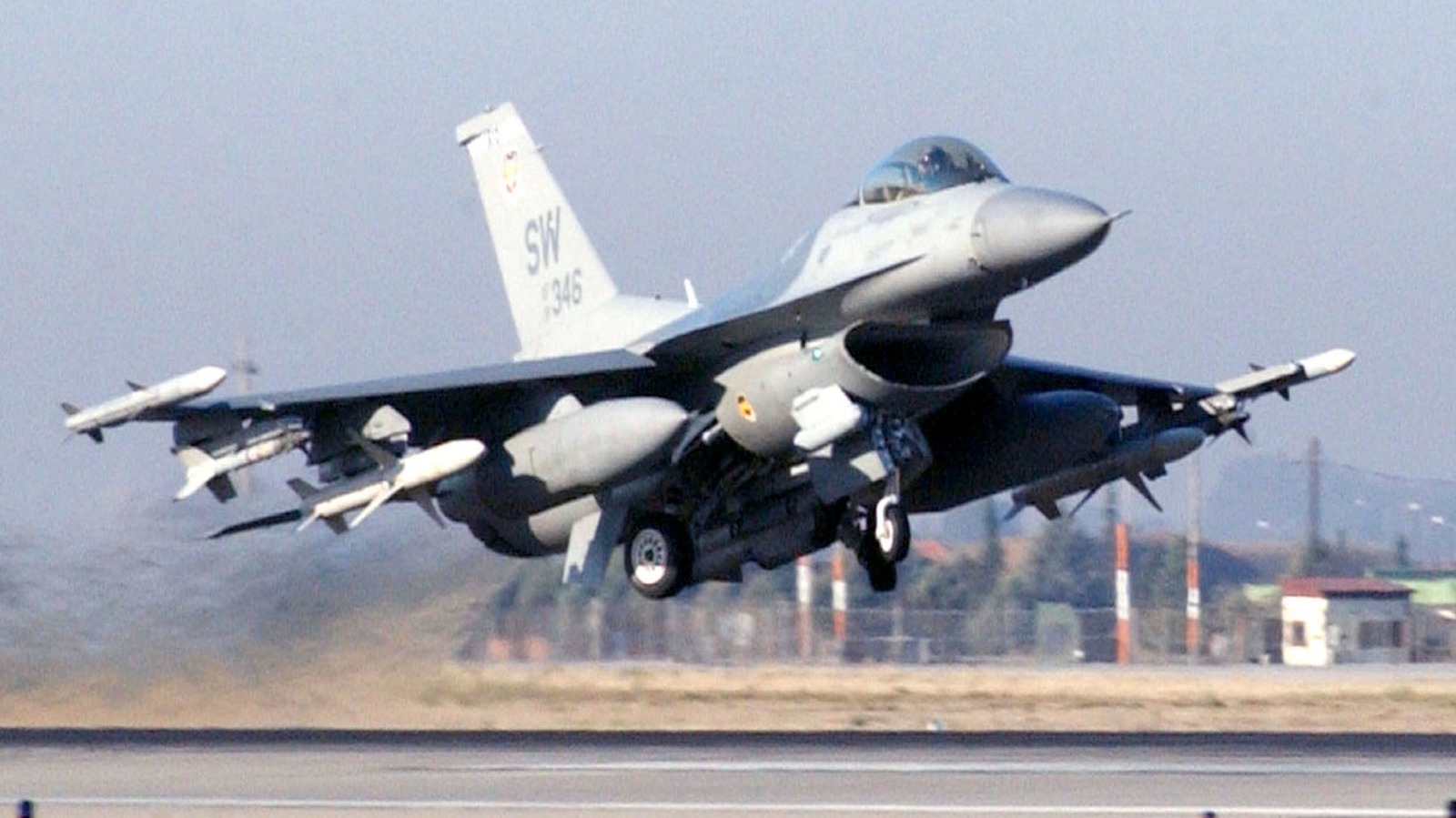
Орчин үеийн байлдааны нисэх хүчинд сөнөөгч онгоцны ашиглалтын хугацааг нислэгийн цагаар хэмждэг бөгөөд энэ нь техникийн бүрэн бүтэн байдал, эдийн засгийн үр ашгийг тодорхойлдог гол хүчин зүйл болдог.
АНУ-ын Зэвсэгт хүчинд ашиглагдаж буй F-16 Fighting Falcon болон F-35 Lightning II зэрэг сөнөөгч онгоцууд нь өөр өөр үеийн технологи боловч бүгд их биеийн металлын ядаргаа болон ашиглалтын хүнд нөхцөлөөс шалтгаалсан элэгдэлд өртдөг. Ихэнх орчин үеийн сөнөөгч онгоцны ашиглалтын хугацаа дунджаар 6,000-8,000 нислэгийн цаг байдаг. Энэхүү хязгаарт хүрсэн тохиолдолд онгоцыг шинэчлэн засварлах нь шинэ онгоц худалдан авахаас илүү өндөр өртөгтэй тул ашиглалтаас хасдаг байна.
Сөнөөгч онгоцыг ажиллагааны бэлэн байдалд байлгахад өндөр зардал шаарддаг бөгөөд жишээлбэл, F-35A сөнөөгч онгоцны нэг нислэгийн цаг нь ойролцоогоор 42,000 ам.долларын өртөгтэй байдаг. Нислэгийн цаг бүрийн дараа их хэмжээний засвар үйлчилгээ шаардагдах бөгөөд MiG-29 зэрэг зарим загварын хувьд нэг цаг нисэх тутамд 25-30 гаруй цагийн засвар үйлчилгээ хийх шаардлагатай болдог.
Гэсэн хэдий ч энэ нь тогтмол тоо биш бөгөөд шинэчлэлт, засвар үйлчилгээний дэглэмийг өөрчлөх замаар ашиглалтын хугацааг сунгах боломжтой. Тухайлбал, АНУ-ын Агаарын цэргийн хүчин 2017 онд Lockheed Martin компанитай хамтран F-16 сөнөөгч онгоцны ашиглалтын хугацааг 8,000-аас 12,000 нислэгийн цаг хүртэл сунгах шийдвэр гаргасан нь тус онгоцыг 2048 он хүртэл ашиглах боломжийг бүрдүүлжээ. Энэхүү арга хэмжээ нь авионик болон бусад системийн шинэчлэлтэй хослуулан дөрөв дэх үеийн сөнөөгч онгоцны чадавхыг хадгалах боломжтойг харуулж байна.
Дэлгэрэнгүйг эх сурвалжаас харах
Эх сурвалжийг нээх ↓
The United States military operates a lot of fighter jets, and you hear about them all the time, whether it’s the F-16 Fighting Falcon or the F-35 Lightning II. There are hundreds of impressive aircraft in the inventory, and they range in type such that some are considerably older than others. For example, the F-35 entered active service in 2015, while the F-16 started flying the unfriendly skies in 1979. Granted, the aircraft that were in the air in the ’70s aren’t the ones flying today, as procurement delivers fresh aircraft over time.
Additionally, the F-16s currently in operation are vastly superior to the ones that came before, thanks to several modernization upgrades that keep the fighters relevant. Seeing as we keep flying older platforms decades after their initial introduction, one question that many people have is, “How many flight hours is considered a lot?” It’s a valid question, as few aircraft put up with the rigors and stresses of operation like fighter jets. Planes like the F-35 pull high-G maneuvers, some are catapulted off and arrested onto aircraft carriers, and they engage in combat operations.
Every flight hour takes a toll, requiring extensive maintenance; for most modern fighter jets, an individual aircraft has a service life of around 6,000 to8,000 flight hours. Of course, it depends on a great many factors, but that’s an average range before metal fatigue begins to truly show degrading wear and tear on a fuselage. When a fighter jet reaches its limit, whatever the figure might be, it’s retired, as the costs to rebuild it to flightworthy status are less tenable than procuring a new fighter without any flight time.
What it takes to fly a fighter jet
When a fighter jet enters active service, its clock begins ticking on the total number of flight hours it has ahead of it. Operating them isn’t inexpensive either, as a single hour of flying something like a nuclear-capable F-35A Lightning II costs U.S. taxpayers around $42,000. You might think that’s just for fuel and pilot compensation, but there’s a lot more to operating a fighter than flying it across the sky. Every flight hour requires extensive maintenance once the plane returns to the ground, and it’s a lot more than you might imagine. Something like a MiG-29 requires 25 to 30+ hours of maintenance per flight hour.
That’s how fighter jets are kept in the air because if not for the maintenance, they wouldn’t last anywhere near the 8,000-hour mark. Pilots may fly them, but it’s the maintenance crew that keeps them operational. Still, it’s not exactly a hard-and-fast rule, either, as the total number of hours can shift with changes to maintenance routines, upgrades, and program alterations. The F-16 was designed to operate for 8,000 flight hours, but in 2017, the U.S. Air Force authorized Lockheed Martin to extend that number to 12,000 flight hours.
That decision will keep the F-16 operational until 2048, but it also demonstrates that flight hour extensions are possible. Susan Ouzts, the VP of Lockheed’s F-16 program, said of the extension, “This accomplishment is the result of more than seven years of test, development, design, [and] analysis,” adding, “Combined with F-16 avionics modernization programs like the F-16V, SLEP modifications demonstrate that the Fighting Falcon remains a highly capable and affordable 4th Generation option.”

