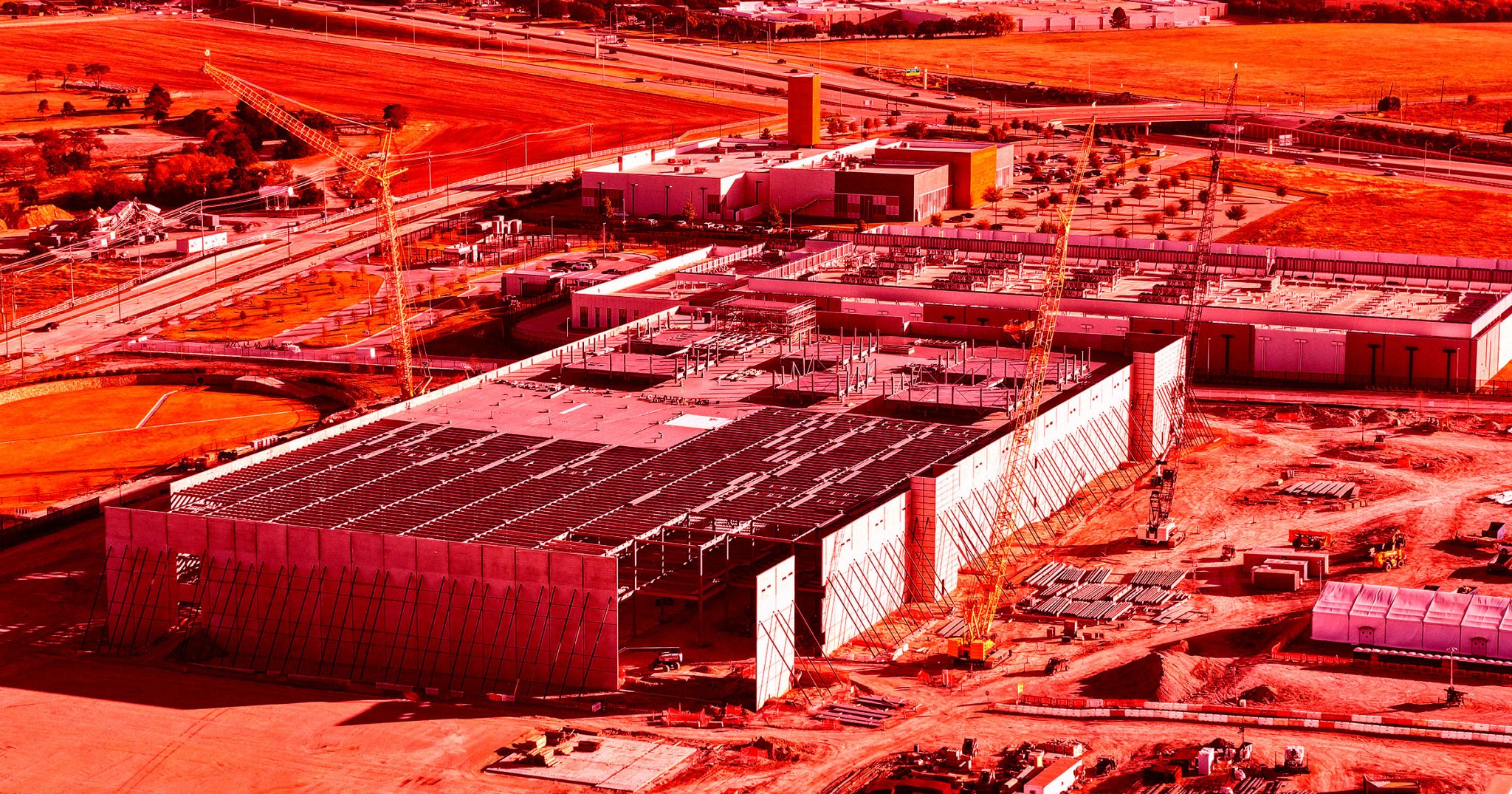
Хиймэл оюун ухааны салбарын хурдацтай хөгжил болон эрчим хүчний хэрэглээ нь АНУ-ын хүлэмжийн хийн ялгарлыг бууруулах хүчин чармайлтыг эргэлтэд оруулахаар байна.
Sierra Club байгууллагын шинэ судалгаагаар, хиймэл оюун ухааны төлөвлөгөөт бүтээн байгуулалтууд хуваарийн дагуу ашиглалтад орвол 2030 он гэхэд АНУ-ын эрчим хүчний сүлжээ 2.1 тэрбум тонн нүүрстөрөгчийн давхар ислийг агаарт ялгаруулах төлөвтэй байна. Энэ нь 2025 онтой харьцуулахад ялгарлыг 42 хувиар буюу 618 сая тонноор өсгөх үзүүлэлт юм.
Цахилгаан дамжуулах сүлжээний ачааллаас шалтгаалан олон дата төв нь чулуужсан түлшээр ажилладаг эрчим хүчний эх үүсвэрийг сонгож байна. Тухайлбал, Илон Маскийн Мемфис хотын ойролцоо барьсан 1.2 гигаваттын хүчин чадалтай дата төв нь метан хийн үүсгүүрүүд ашиглаж байгаа нь орон нутгийн иргэдийн эрүүл мэндэд сөргөөр нөлөөлж, холбооны болон орон нутгийн байгаль орчны зохицуулалтуудыг зөрчиж болзошгүй байгааг мэргэжилтнүүд анхаарууллаа.
Гэсэн хэдий ч санхүүгийн хүндрэл болон иргэдийн эсэргүүцлийн улмаас томоохон дата төвийн төслүүд цуцлагдах эрсдэл нэмэгдэж байна. Энэхүү үйл явц нь зөвхөн орон нутгийн оршин суугчдын төдийгүй байгаль орчныг хамгаалах өргөн хүрээний ач холбогдолтой юм.
Дэлгэрэнгүйг эх сурвалжаас харах
↓Эх сурвалжийг нээх ↓
Nearly 15 years worth of hard-won pollution reduction efforts are set to be undone in the United States, as a wave of data centers powered by gas plants enters construction.
That’s according to a new analysis by the Sierra Club, first reported by Bloomberg, which notes that the US energy grid is expected to belch out 2.1 billion metric tons of carbon dioxide by 2030, assuming the country’s currently-planned AI developments enter operation as scheduled.
That’s a massive rise compared to even 2025 — itself a near-record year for US carbon emissions. If the AI industry and its data center developers get their way, the analysis found, emissions will likely skyrocket by 42 percent over the five-year period, an expected increase of 618 million tons compared to 2025.
“The numbers continue to sort of boggle our minds,” the Sierra Club’s principal advisor for climate and energy Jeremy Fisher told Bloomberg.
Due to major bottlenecks in the electrical grid, many data center developers have opted for on- or near-site power plants, which are overwhelmingly fueled by noxious fossil fuels. Projects like Elon Musk’s 1.2 gigawatt data center near Memphis are already choking out residents with fleets of methane generators, which legal experts say flaunt all kinds of local permitting and federal environmental regulations.
Still, for anybody banking on having clean air to breathe, there is some hope. The number of data center projects at risk of cancellation is rising precipitously as time goes on — driven by grass roots organizing and increasing financial pressures.
So if you’re one of the many activists mounting opposition to data centers in your community, just know that the benefits of a cancelled hyperscale facility extend far beyond your backyard.
More on data centers: Thieves Are Making a Fortune Heisting AI Data Center Equipment
The post New Data Centers in the US Set to Wipe Out 15 Years of Greenhouse Gas Reductions appeared first on Futurism.

