
Ардчилсан нам Конгрессын хоёр танхимд олонх болохыг зорьж байгаа бол Ерөнхийлөгч Дональд Трампын Бүгд найрамдахчууд эрх мэдлээ хадгалахаар өрсөлдөнө.
АНУ-ын завсрын сонгууль арваннэгдүгээр сарын 3-нд болох бөгөөд сонгогчид мужийн захирагчдыг 36 мужид, мөн бараг бүх мужийн хууль тогтоох байгууллагын гишүүдийг сонгоно. Улс даяар хэдэн долоо хоногийн өмнөөс урьдчилсан санал хураалт эхэлсэн бөгөөд 2022 оныхтой ойролцоо ирцтэй байвал 100 сая гаруй хүн санал өгөх төлөвтэй байна. Сонгуулийн сурталчилгаанд 2025–2026 оны мөчлөгт аравдугаар сарын 30-ны байдлаар рекорд 11.6 тэрбум ам.доллар зарцуулсан бол Илон Маск Бүгд найрамдахчуудыг дэмжихэд 442 сая ам.доллар гаргажээ.
Төлөөлөгчдийн танхимд Бүгд найрамдахчууд 218–214-ийн харьцаатай олонх бөгөөд хоёр суудал эзгүй, нэг бие даагч тэдэнтэй бүлэгтэн ажилладаг; Ардчилсан нам хяналтаа авахын тулд цэвэр дүнгээр дөрвөн суудал нэмэх шаардлагатай. Сенатад Бүгд найрамдахчууд 53–47-гоор тэргүүлж байгаа бөгөөд Ардчилсан нам мөн дөрвөн суудлын цэвэр өсөлт гаргах ёстой. Мэн, Охайо, Хойд Каролина, Айова, Жоржиа зэрэг мужийн арван өрсөлдөөн үр дүнд нөлөөлж болзошгүй бөгөөд Трампын ажлын гүйцэтгэлийг дэмжсэн үзүүлэлт есдүгээр сарын Reuters/Ipsos-ийн санал асуулгаар 32 хувь байв.
Өргөн хэрэглээний барааны үнийн өсөлт сонгуулийн дүнд нөлөөлж, Бүгд найрамдахчуудын дэмжлэгийг сулруулж болзошгүй гэж үзэж байна; урьдчилсан санал хураалтаар Ардчилсан намын сонгогчдын идэвх өндөр байгаа шинж ажиглагджээ. Гэвч Ардчилсан намын ялалт баталгаатай биш бөгөөд Бүгд найрамдахчуудын сурталчилгааны санхүүжилтийн давуу тал, Ардчилсан намд үл итгэх байдал болон зарим сонгогчдын болгоомжлол тэдэнд ашигтай байж мэднэ. Эдийн засгийн нөхцөл болон Трампын цагаачлалын бодлогод дургүйцсэн латин гаралтай сонгогчдын зарим нь Ардчилсан намыг дахин дэмжиж болзошгүй байна.
Ардчилсан нам Төлөөлөгчдийн танхимд олонх болбол одоогийн бүлгийн ахлагч Хаким Жеффрис спикер болох магадлалтай; тэрээр Трамп болон түүний ойрын хүрээллийн үйл ажиллагааг шалгах, амьжиргааны өртгийг бууруулах асуудлыг дэвшүүлэхээ мэдэгдсэн. Бүгд найрамдахчууд ялбал спикерийн суудлаа хадгалж, татварын нэмэлт хөнгөлөлт, батлан хамгаалахын зардлыг өсгөх, нийгмийн хамгааллын хөтөлбөрийг танах бодлогоо үргэлжлүүлэх төлөвтэй. Сонгуулийг мужууд тус тусдаа зохион байгуулдаг бөгөөд Трамп сонгуулийн луйврын талаар нотолгоогүй мэдэгдэл хийж ирсэн тул мужийн албаныхан болон Конгрессын Ардчилсан намынхан захиргаа оролцох оролдлого гаргавал хууль зүйн маргаанд бэлтгэж байна; өрсөлдөөн ойр бол ялагчийг зарлахад хэдэн өдөр, заримдаа хэдэн долоо хоног шаардагдаж магадгүй.
Дэлгэрэнгүйг эх сурвалжаас харах
↓Эх сурвалжийг нээх ↓
Want to bookmark your favourite articles and stories to read or reference later? Start your Independent Membership today.
Already a member?
Control of the US Congress is the prize on November 3, 2026, as Democrats attempt to wrest majorities from President Donald Trump’s Republicans in the midterm elections.
Voters will also choose governors in 36 of the 50 states, and nearly every state will hold elections for its state-level legislative bodies.
Ballots have been cast for weeks, with early voting underway across the country ahead of Election Day.
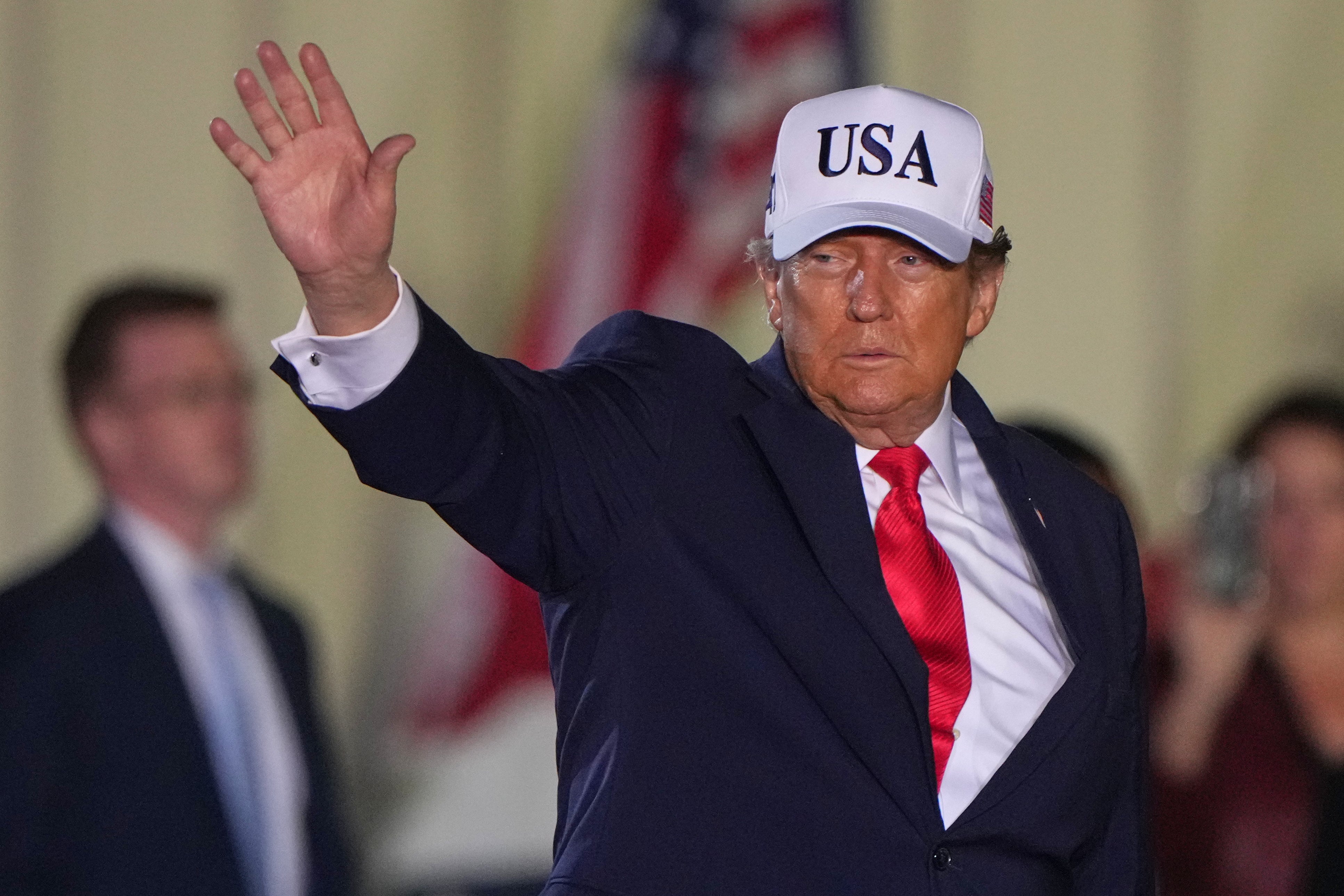
The midterms, held in the middle of each four-year presidential term, by definition do not involve the president himself.
But anyone tempted to dismiss this year’s contests as lacking drama or importance should weigh two statistics.
More than 100 million people likely will cast ballots in this year’s midterm voting, if turnout is anything like the previous midterm in 2022.
And as of October 30, a record $11.6 billion had been spent on political advertisements for the 2025–26 election cycle.
AdImpact, which tracks the activities, said the top spending is in battleground US Senate races in Texas, Ohio and Michigan.
Control of Congress is at stake
Campaign finance records show Elon Musk alone has spent $442 million to support Republicans.
Midterms generally attract fewer voters than the higher-profile presidential races.
For example, more than 155 million votes were cast in the 2024 presidential election.
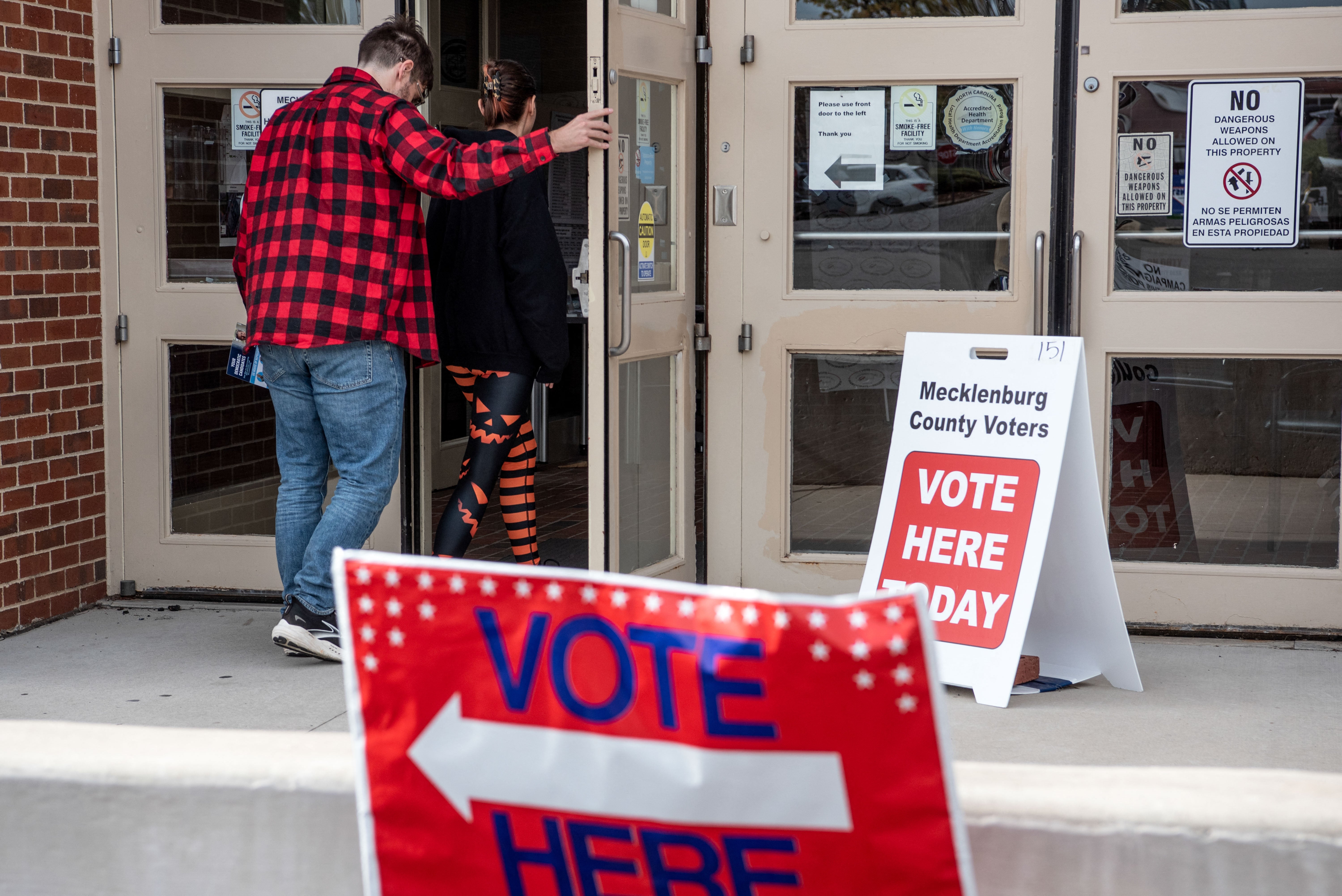
In the House, Republicans currently hold a 218-214 majority, with two vacancies and one independent who caucuses with Republicans.
Democrats must win a net gain of four seats to take control of the chamber.
Can midterms affect the presidency?
The Senate is also in play, where Republicans hold a 53-47 majority.
Democrats must net four additional seats to get control there.
Ten races, including those in Maine, Ohio, North Carolina, Iowa and Georgia, could decide the outcome.
Trump’s approval of his performance is at an all-time low of 32%, according to a September Reuters/Ipsos poll.
What are polls showing?
Domestic issues like rising consumer prices are likely to affect the outcome of many races and could erode support for Republicans.
Evidence suggests Democrats are more enthusiastic about voting this year than Republicans.
If early voting trends continue, it could point to a Democratic win in November.
There are also signs that Latino voters who veered to Trump in 2024 might be returning to Democrats because of frustration over the economy and some of Trump’s immigration enforcement tactics.
A landslide for the Democrats, however, is far from assured.
Republicans could benefit from continued skepticism toward Democrats, a Republican spending advantage in campaigns, and fears among moderate voters over some primary wins by left-wingers.
Midterm elections generally are dangerous territory for the political party that holds the White House and/or Congress.
For 2026, that means Trump and his Republicans controlling the US Senate and House of Representatives are in perilous political positions.
Recent midterm history
The midterms can be an opportunity for voters to, in effect, grade the president’s performance, and possibly trigger White House course corrections if they receive low marks.
Midterm election results can also give aspiring presidential candidates hints on how to tailor their messages to voters in the next presidential campaign, which in this case will be in 2028.
Recent history shows the shockwaves a midterm election can produce.
In the 2010 midterms, during Barack Obama’s Democratic presidency, Republicans scored major victories, winning 63 additional House seats amid an underperforming US economy and weak support for Obama’s landmark healthcare reform legislation.
Democrats lost their majority.
In the Senate, they held onto control despite losing six seats.
The Republican wave was a “shellacking,” Obama lamented at the time.
He subsequently faced Republican demands for significant reductions to non-defense spending.
Who will be speaker?
Democrats returned the favor in 2018, with Trump in the White House.
They gained a net 40 House seats but lost a net two Senate seats.
At the state level, Republicans currently control 55% of state legislative seats across the country, while Democrats hold 43.8%, according to Ballotpedia.
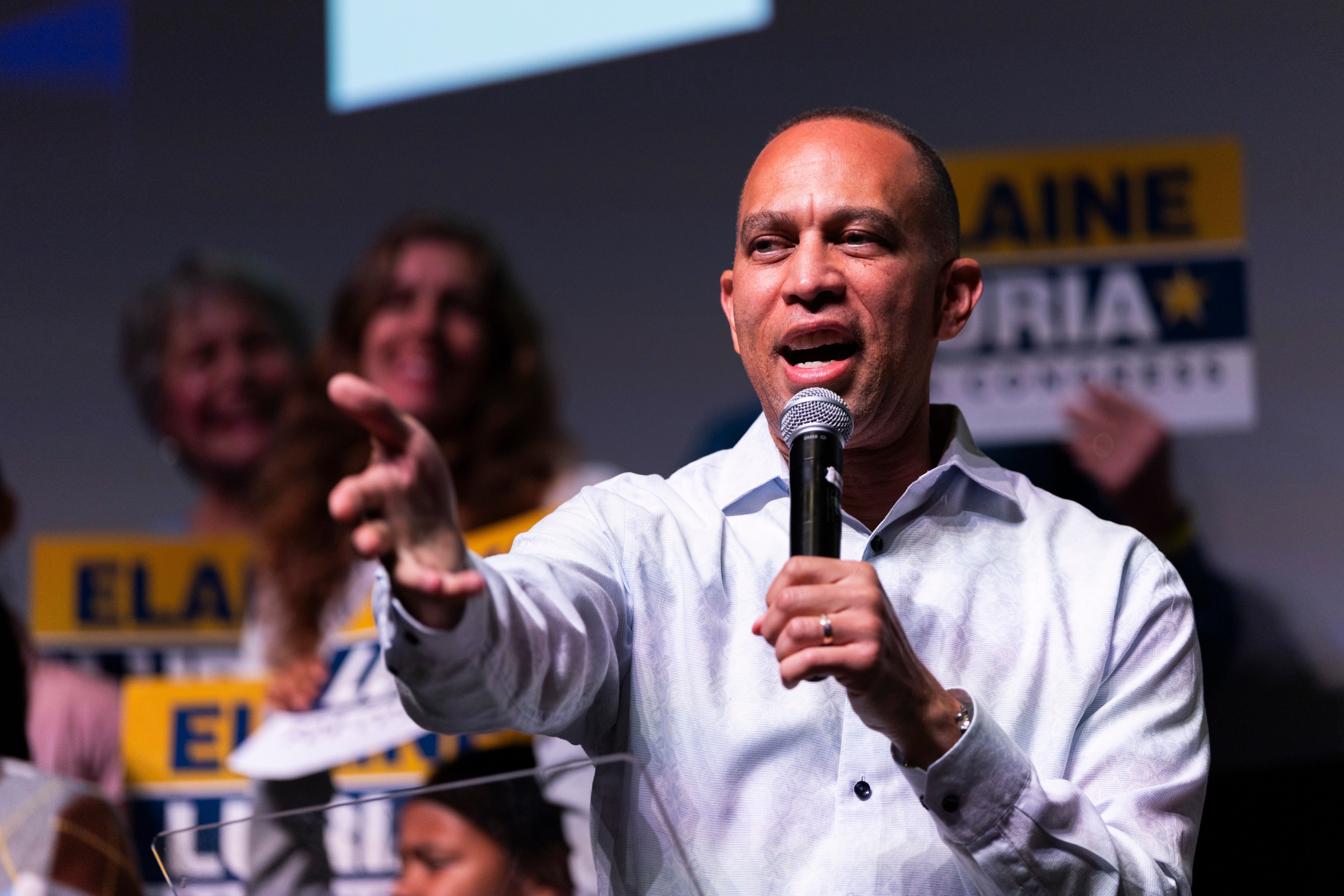
If Democrats manage to win the House, the next speaker — second in line for the presidency after the vice president — is likely to be Democratic Representative Hakeem Jeffries of New York.
He is currently the House Democratic leader.
Jeffries, who would become the first Black American to hold the powerful office, would be in a position to direct House committees to investigate a range of controversial activities by Trump and his associates.
Marquee races
Jeffries has repeatedly said Democrats would look into what he has called “unprecedented levels of corruption” during the Trump administration.
Jeffries also would steer Democrats’ legislative priorities through the House.
He has said Democrats would focus on making healthcare, groceries, housing, energy and other costs more affordable.
A Republican win, on the other hand, would ensure that the speaker’s gavel remains in that party’s hands, either with current speaker Mike Johnson or whichever Republican prevails if he is challenged for the job.
Republican priorities are likely to be focused on additional tax cuts, huge increases in defense spending, and deeper social safety net reductions, building on Trump’s 2025 “One Big Beautiful Bill.”
Among the most-watched House races are Republican Representative Mike Lawler’s bid for reelection to a New York district that Democratic candidate Kamala Harris won in her 2024 presidential campaign.
An open seat in a Nebraska swing district, where farmers and truckers face sharply higher fuel prices as a result of the US war against Iran, is also drawing attention.
When can we expect the results?
Also high on Democrats’ list of House seats they hope to take from Republicans are two in Pennsylvania and one in New Jersey.
Hovering over all of this are questions over whether Trump will try to meddle in the elections, which are administered by the 50 individual states.
Since 2020, he has repeatedly insisted there is widespread cheating in US elections, despite a lack of evidence.
State election officials and Democrats in Congress have been preparing for possible legal challenges to any moves by his administration to try to intervene.
There is no set time for when the world will learn the results of the US midterm elections.
In tight races, winners may not be called for days or even weeks.
The first individual race calls are expected to start after polls begin to close in the United States on Tuesday night, first with Indiana and Kentucky at 6 p.m. (ET) (2300 GMT).
Polls then close in Georgia, South Carolina, Vermont and Virginia at 7 p.m. (0000 GMT on November 4).
The last polls to close are in far western Alaska at 1 a.m. ET.

