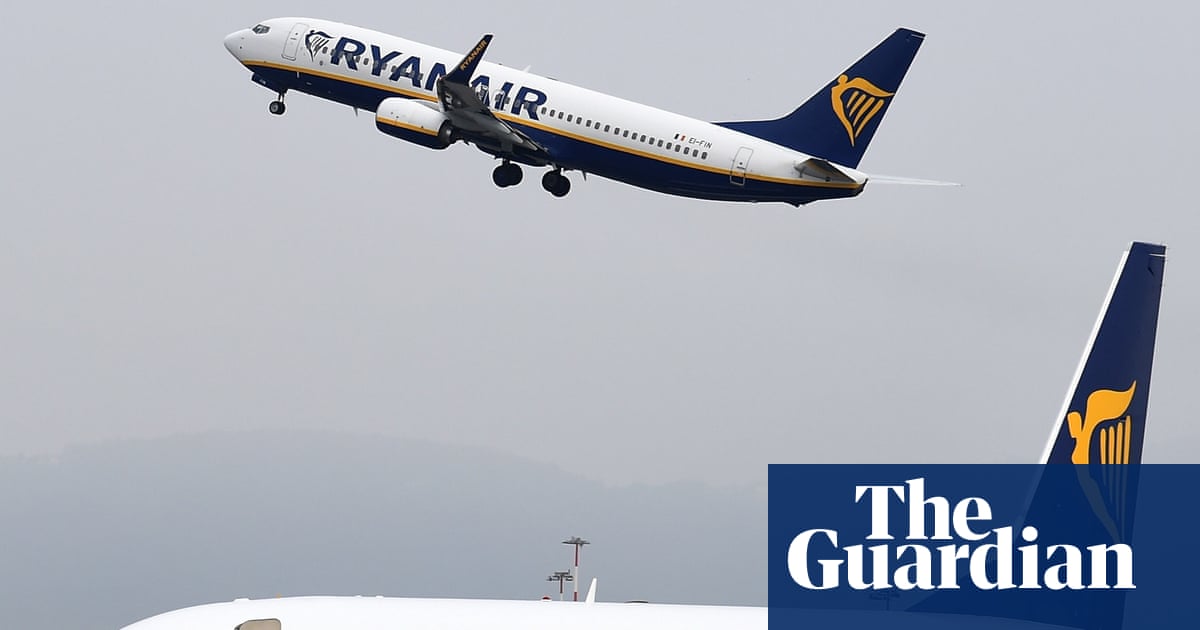
Ойрхи Дорнодын нөхцөл байдлаас шалтгаалан шатахууны үнэ огцом өссөн нь Европын томоохон агаарын тээврийн Ryanair компанийн санхүүгийн төлөвлөгөөнд сөргөөр нөлөөлж байна.
Ойрхи Дорнод дахь зэвсэгт мөргөлдөөн үргэлжилж байгаа нь газрын тосны үнийг өсгөж, улмаар агаарын тээврийн компаниудын шатахууны зардлыг нэмэгдүүлж байна. Ryanair компанийн гүйцэтгэх захирал Майкл О’Лири мэдэгдэлдээ, хэрэв мөргөлдөөнийг богино хугацаанд шийдвэрлэхгүй бол тийрэлтэт онгоцны түлшний үнэ 2027 он хүртэл өндөр хэвээр үлдэх төлөвтэй байгааг онцолжээ. Тус компани ирэх санхүүгийн жилд шатахууны зардал нь 2 тэрбум еврогоор нэмэгдэх урьдчилсан тооцоо гаргаад байна.
Энэхүү санхүүгийн дарамтыг бууруулахын тулд Ryanair зардал хэмнэх арга хэмжээ авахаар төлөвлөж байгаагаа дуулгалаа. Үүнд нисэх багийн бүрэлдэхүүний тоог цөөлөх, цалин хөлсийг царцаах, хиймэл оюун ухааны (AI) ашиглалтыг нэмэгдүүлж бүтээмжийг дээшлүүлэх зэрэг алхам багтаж байна. Түүнчлэн Европын богино зайн нислэгүүдийн тийзийн үнэ 20 хүртэлх хувиар өсөх магадлалтайг тус компани анхаарууллаа.
Ryanair есдүгээр сард дуусгавар болсон улирлын байдлаар 1.61 тэрбум еврогийн татварын дараах ашиг олсон нь өмнөх оны мөн үеэс 6 хувиар буурсан үзүүлэлт юм. Хэдийгээр зорчигчдын тоо 5 хувиар өсөж 64.5 саяд хүрсэн ч шатахууны үнийн өсөлт болон өрсөлдөөнт зах зээлийн нөхцөл байдал нь компанийн ашигт ажиллагаанд сорилт болсоор байна.
skip past newsletter promotion
after newsletter promotion
Дэлгэрэнгүйг эх сурвалжаас харах
↓Эх сурвалжийг нээх ↓
Ryanair is considering cost-cutting measures including pay freezes, reducing crew numbers on flights and increasing the use of AI to offset soaring fuel costs driven by the Middle East conflict.
Europe’s largest low-cost carrier said it expected European airlines to raise ticket prices by up to 20%, with its own jet fuel costs forecast to rise by about €2bn (£1.6bn) in its next financial year, which ends in March 2028.
“Unless there is a swift resolution of the Middle East conflict we expect jet fuel prices to remain elevated well into 2027,” said Michael O’Leary, the chief executive of Ryanair. “While we believe European short-haul fares will increase materially to reflect these much higher jet-fuel prices and competitor capacity reductions, this is unlikely to provide a full offset for an estimated €2bn increase in our fuel bill.”
Oil prices hit a six-month high on Friday before falling to about $110 a barrel on Monday.
Ryanair expects European short-haul fares to “increase materially” next year, as fuel hedging deals taken out by airlines to reduce costs expire.
“To help address this, we’re reviewing all costs across group airlines with a particular focus on airport churn negotiations, maturing labour agreements (which may require temporary pay freezes), lower crew ratios and increased use of AI,” O’Leary said.
The company said its increased use of AI would focus on improving productivity in operations and back-office and support functions.
Ryanair said 80% of its fuel requirements until the end of March were hedged at $67 a barrel. The company’s fuel requirements for the subsequent 12 months are 25% hedged at $95 a barrel.
The Irish airline, Europe’s largest by passenger numbers, said average fares fell by 2% year on year in the quarter ending in September. Ryanair added that fares in the final three months of the year were trending “modestly ahead” of the same quarter last year.
after newsletter promotion
“The booking window remains closer-in which reduces visibility,” the company said.“[The current quarter’s] fare outcome will heavily depend on the strength of close-in October-November school midterm [holiday] and Christmas bookings.”
The airline reported a post-tax profit of €1.61bn in the quarter ending inSeptember, a fall of 6% year on year but in line with analyst expectations. Passenger numbers grew 5% year on year to 64.5 million during the quarter.

