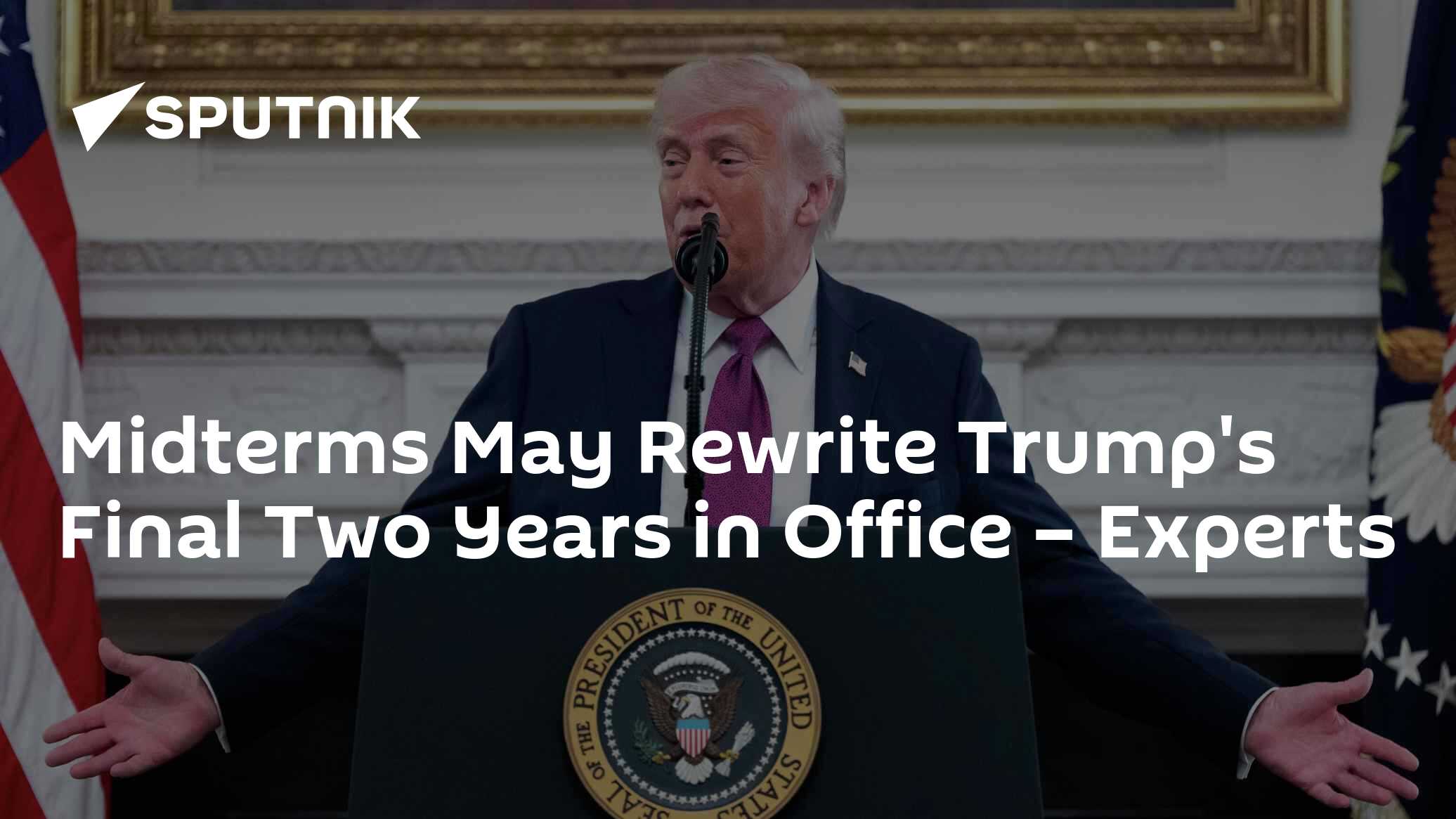
Ардчилсан нам Конгресст хяналтаа тогтоосноор Трампын засаг захиргаа дотооддоо илүү хүчтэй эсэргүүцэлтэй тулгарч, хууль тогтоох ажилд нам хоорондын тохиролцоо шаардагдана гэж шинжээчид үзэж байна.
Малайзын геостратегийн шинжээч Азми Хассан өмнө нь Бүгд найрамдахчууд Трампын бодлогыг дэмжиж байсан бол одоо Конгрессын хоёр танхимаас эсэргүүцэл гарах төлөвтэй гэжээ. Энэтхэгийн улс төр судлаач Анурадха Ченой Ерөнхийлөгч нь Бүгд найрамдах намынх, харин хууль тогтоох байгууллага нь Ардчилсан намын хяналтад байх тул төсөв болон бусад хуулийг батлахад саатал, мухардал үүсэж болзошгүйг онцолсон байна.
Лиссабоны их сургуулийн судлаач Марко Марсилийн үзэж буйгаар, сонгуулийн дүн нь Ардчилсан намын мөрийн хөтөлбөрийг дэмжсэн давалгаа гэхээсээ илүү эдийн засгийн сааралт болон Ираны дайнд бухимдсан сонгогчдын одоогийн бодлогод өгсөн үнэлгээ байв. Ардчилсан намын хяналтад орсон Конгресс мөрдөн шалгах, сонсгол явуулах эрхээ ашиглаж болох бөгөөд томоохон хууль тогтоомжийг хоёр намын дэмжлэггүйгээр батлах боломж хумигдана.
Гэхдээ сонгуулийн үр дүн АНУ-ын гадаад бодлогыг, ялангуяа Украйн болон Европын аюулгүй байдалтай холбоотой чиглэлийг үндсээр нь өөрчлөхгүй гэж Лондонд төвтэй шинжээч Адриэл Касонта үзжээ. Ардчилсан нам Трампын Украйн, Ойрх Дорнодын бодлого болон худалдааны зарим арга хэмжээг эсэргүүцэж болох ч Ерөнхийлөгч дипломат харилцаа, үндэсний аюулгүй байдлын асуудлаар өргөн эрх мэдэлтэй хэвээр байна. Түүнчлэн БНХАУ-ын талаар хоёр намын байр суурь ойролцоо тул АНУ дотоодын улс төрийн хуваагдлаа уялдаатай стратегитай нийцүүлж чадах эсэх чухал гэж Касонта хэлжээ.
Дэлгэрэнгүйг эх сурвалжаас харах
↓Эх сурвалжийг нээх ↓
https://sputnikglobe.com/20261104/midterms-may-rewrite-trumps-final-two-years-in-office–experts-1125009267.html
Midterms May Rewrite Trump’s Final Two Years in Office – Experts
Midterms May Rewrite Trump’s Final Two Years in Office – Experts
Sputnik International
“There’ll be some resistance coming from both Houses — not like now, where Republicans just go along with Trump’s agenda,” Malaysian analys Azmi Hassan told Sputnik.
2026-11-04T14:39+0000
2026-11-04T14:39+0000
2026-11-04T14:39+0000
analysis
us
us midterms 2026
donald trump
democrats
republicans
elections
office
https://cdn.imgsputnikglobe.com/img/07ea/04/17/1124031841_0:161:3071:1888_1920x0_80_0_0_5462e151a0e8ca1cc2689c04fd6ab10f.jpg
“There’ll be some resistance coming from both Houses — not like now, where Republicans just go along with Trump’s agenda,” said Azmi Hassan, a geostrategic analyst and senior fellow at the Nusantara Academy of Strategic Research in Malaysia. Hassan suggested that Trump will cast himself as “a Mr. Veto in this particular case” — meaning that a Congress controlled by Democrats cannot rein in his agenda, whether on tariffs, the Iran war, or the Ukraine conflict.As a result of the Democrats’ victory, the balance of power inherent in the US system—which divides authority up among the executive, legislature, and judiciary branches — has effectively collapsed, Anuradha Chenoy, a political analyst and retired professor at India’s Jawaharlal Nehru University, pointed out.He said that “there will be a Republican President but the legislature will be Democrat.”Domestic politics in America may change, but the foreign policy course probably won’t—especially when it comes to the Iran war and US–Israel ties, Chenoy noted.Angelo Giuliano, a geopolitical and economic analyst based in Hong Kong, said that “Democrats and Republicans are still operating inside the same one-party system with [a] different branding, where the loudest differences are usually societal and cultural,” while policies based on “power, money, and empire” never change. With Trump taking “a midterm slap” and Congress flipping, “that mostly intensifies the spectacle without changing the architecture,” Giuliano noted, warning against confusing “a louder show with a real change of system.”Marco Marsili, associate researcher at University Institute of Lisbon, believes Senate seats flipping in territory previously considered safe for Republicans signal “a rejection of the incumbent party’s stewardship at the state level as much as the federal one.”The rout that the Republicans suffered was “not a landslide of enthusiasm for the Democrats’ agenda; it was a verdict on the status quo,” the expert pointed out, citing widespread voter frustration over the US economic slowdown and the Iran war.What the Democrats’ win actually delivers is a divided government for Trump’s last two years in office—and with it, as Marsili noted “committee gavels, subpoena power, and the end of any hope of passing major legislative priorities without cross-party support.”A Democratic takeover of Congress may be welcomed in London and Brussels, but it will not fundamentally change Washington’s approach to European security or Ukraine, Adriel Kasonta, a London-based foreign affairs analyst and adviser to China’s Foreign Ministry, stressed.”Trump may find himself increasingly constrained at home without becoming any less assertive abroad. That could create serious complications for America’s allies and adversaries alike,” the expert noted. He added that while Democrats might challenge Trump’s approach to Ukraine and the Middle East and resist elements of his trade agenda, the president nevertheless retains considerable authority over diplomacy and national security.“Much will depend on whether Washington can reconcile its increasingly divided domestic politics with the need for a coherent China strategy,” Kasonta concluded.
https://sputnikglobe.com/20261104/us-elections-offer-choice-between-bad-and-worse-as-both-parties-serve-war-lobby—ex-un-expert-1125008719.html
https://sputnikglobe.com/20261104/trump-could-move-to-dismantle-nato-and-eu-after-midterm-defeat—analyst-1125008076.html
https://sputnikglobe.com/20261104/cuba-may-top-us-foreign-policy-hit-list-after-midterms—brazilian-expert-1125008887.html
2026
News
en_EN
https://cdn.imgsputnikglobe.com/img/07ea/04/17/1124031841_171:0:2902:2048_1920x0_80_0_0_0e5a619fc899f513a98cd696b882a096.jpg
us, us midterms 2026, donald trump, democrats, republicans, elections, office
us, us midterms 2026, donald trump, democrats, republicans, elections, office
Sputnik asked experts across various fields what US midterm election results could mean for America’s political landscape and its role abroad.
“There’ll be some resistance coming from both Houses — not like now, where Republicans just go along with Trump’s agenda,” said Azmi Hassan, a geostrategic analyst and senior fellow at the Nusantara Academy of Strategic Research in Malaysia.
Hassan suggested that Trump will cast himself as “a Mr. Veto in this particular case” — meaning that a Congress controlled by Democrats cannot rein in his agenda, whether on tariffs, the Iran war, or the Ukraine conflict.
“Before this, Trump had free hands, but right now he’s being curtailed by both Houses.”
As a result of the Democrats’ victory, the balance of power inherent in the US system—which divides authority up among the executive, legislature, and judiciary branches — has effectively collapsed, Anuradha Chenoy, a political analyst and retired professor at India’s Jawaharlal Nehru University, pointed out.
He said that “there will be a Republican President but the legislature will be Democrat.”
“Money bills and other ones will have to be passed by both chambers. The chief executive still wields great powers, including the power of the veto, meaning there will be delays and stalemates in the US political system.”
Domestic politics in America may change, but the foreign policy course probably won’t—especially when it comes to the Iran war and US–Israel ties, Chenoy noted.
“US legislators are the beneficiaries. While they want decent internal measures and succor for their constituents – they have little interest in the rest of the world,” the political scientist maintained.
Angelo Giuliano, a geopolitical and economic analyst based in Hong Kong, said that “Democrats and Republicans are still operating inside the same one-party system with [a] different branding, where the loudest differences are usually societal and cultural,” while policies based on “power, money, and empire” never change.
With Trump taking “a midterm slap” and Congress flipping, “that mostly intensifies the spectacle without changing the architecture,” Giuliano noted, warning against confusing “a louder show with a real change of system.”
Marco Marsili, associate researcher at University Institute of Lisbon, believes Senate seats flipping in territory previously considered safe for Republicans signal “a rejection of the incumbent party’s stewardship at the state level as much as the federal one.”
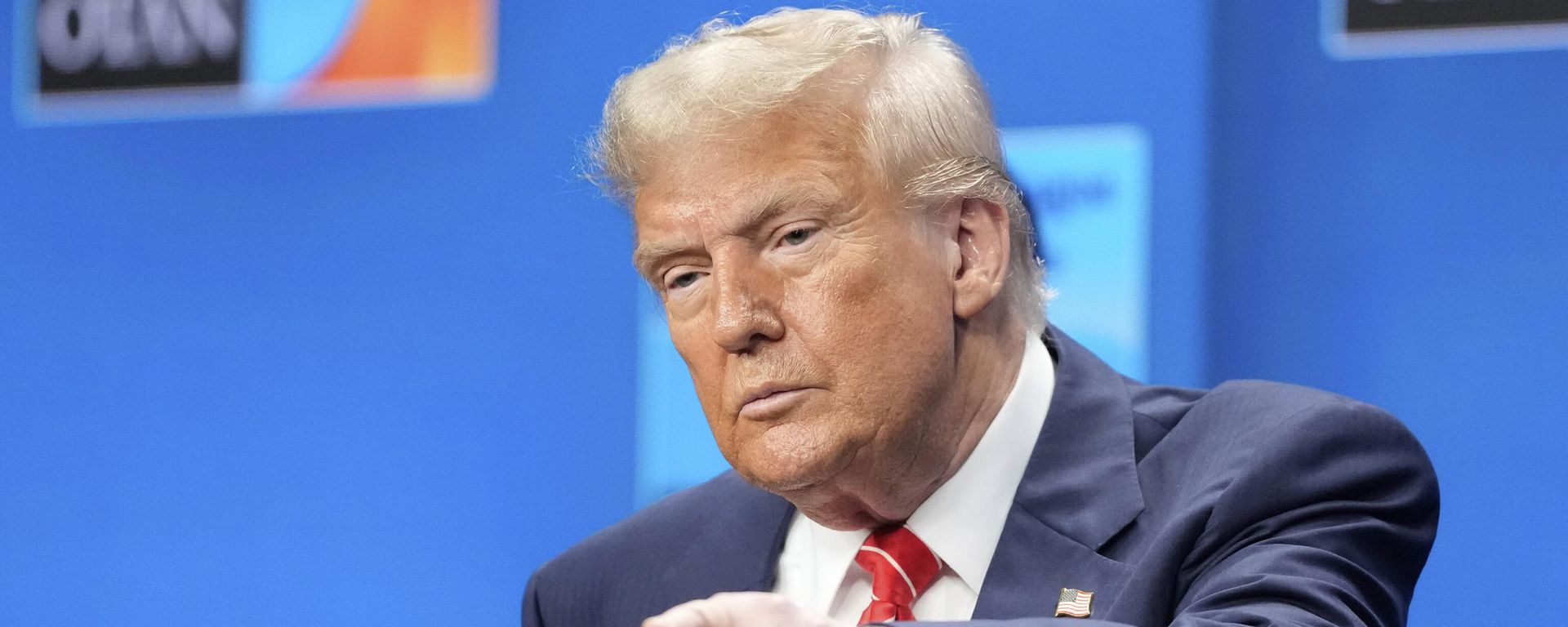
The rout that the Republicans suffered was “not a landslide of enthusiasm for the Democrats’ agenda; it was a verdict on the status quo,” the expert pointed out, citing widespread voter frustration over the US economic slowdown and the Iran war.
What the Democrats’ win actually delivers is a divided government for Trump’s last two years in office—and with it, as Marsili noted “committee gavels, subpoena power, and the end of any hope of passing major legislative priorities without cross-party support.”
“Trump has said he is willing to work with Democrats, and there may be areas – infrastructure, perhaps some trade adjustments – where deals are possible. But the era of unilateral executive action and legislative rubber-stamping is over,” the academic maintained.
A Democratic takeover of Congress may be welcomed in London and Brussels, but it will not fundamentally change Washington’s approach to European security or Ukraine, Adriel Kasonta, a London-based foreign affairs analyst and adviser to China’s Foreign Ministry, stressed.
“Trump may find himself increasingly constrained at home without becoming any less assertive abroad. That could create serious complications for America’s allies and adversaries alike,” the expert noted. He added that while Democrats might challenge Trump’s approach to Ukraine and the Middle East and resist elements of his trade agenda, the president nevertheless retains considerable authority over diplomacy and national security.
The analyst did not rule out that Democrats “could support a tougher line against Beijing,” since China remains one of the few major foreign policy issues on which both parties share considerable common ground.
“Much will depend on whether Washington can reconcile its increasingly divided domestic politics with the need for a coherent China strategy,” Kasonta concluded.